FAQs
Contact us
Join the team
Belco

Dukunde Kawa Musasa Cooperative

Rwanda - Mbilima - Honey - Bio

Red bourbonHoney
Organic

Pick your crop :

Aromatic notes:

Spot price

€/kg


The perfect example of a committed cooperative!

This red Bourbon is produced by the Dukunde Kawa cooperative in the hills of north-west Rwanda. Mbilima is one of the cooperative's four washing stations, where this honey process is produced. 

To carry out this process, the cherries are pulped, then dried with the mucilage, at the peak of the harvest. Only the ripest, densest cherries are picked by hand.

The pulp is then mechanically removed without the use of water. The wet parchment is then laid on a raised bed, no more than 3 cm high, for 3 days, without being touched, to ferment.

After 2 days, the coffee can be turned over to avoid any uncontrolled fermentation. The coffee is turned over as many times as possible during the first week and any defective beans are removed until the drying process is even. The drying process takes around 25 to 30 days, depending on the weather conditions.

Marketing tools & Certifications

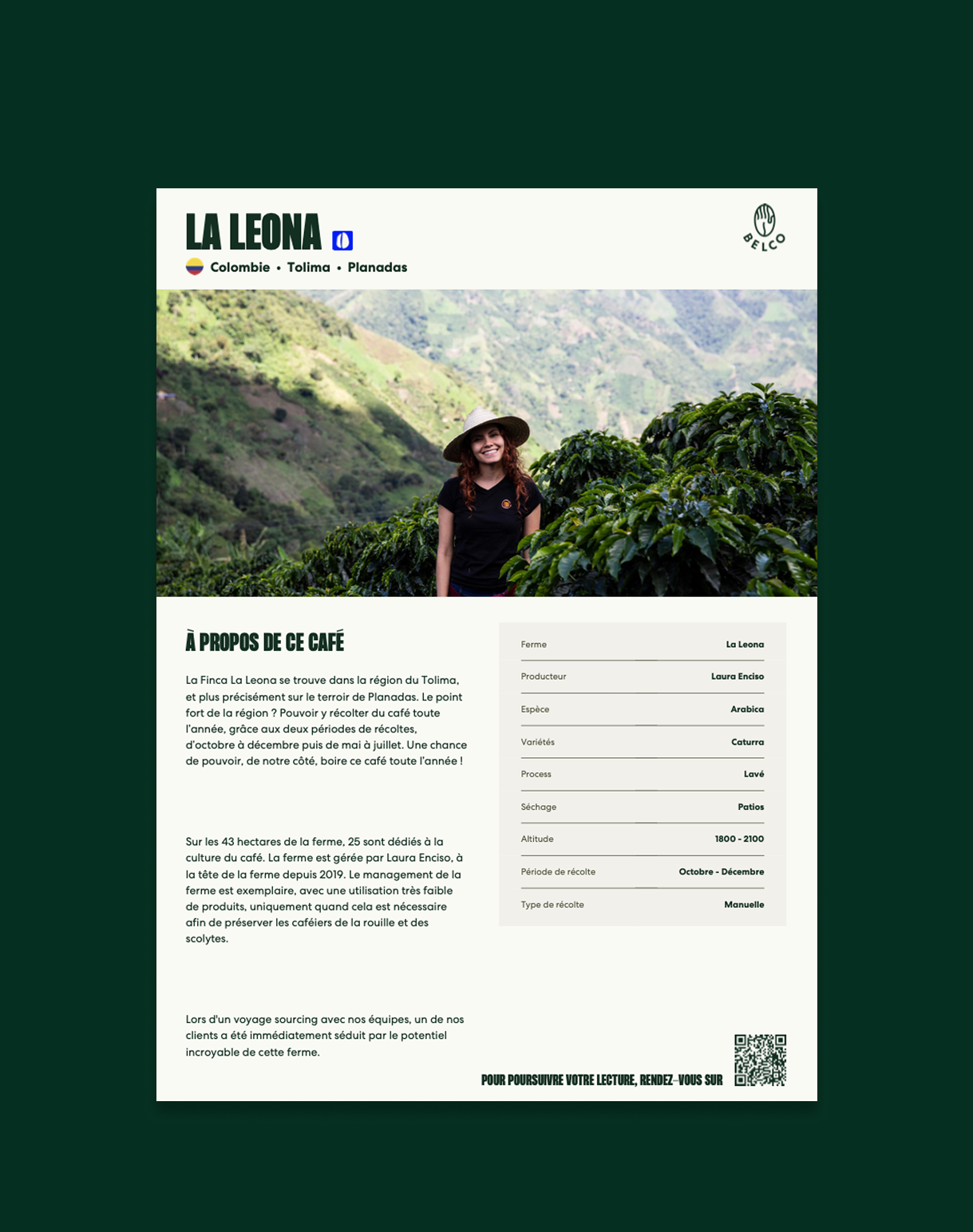
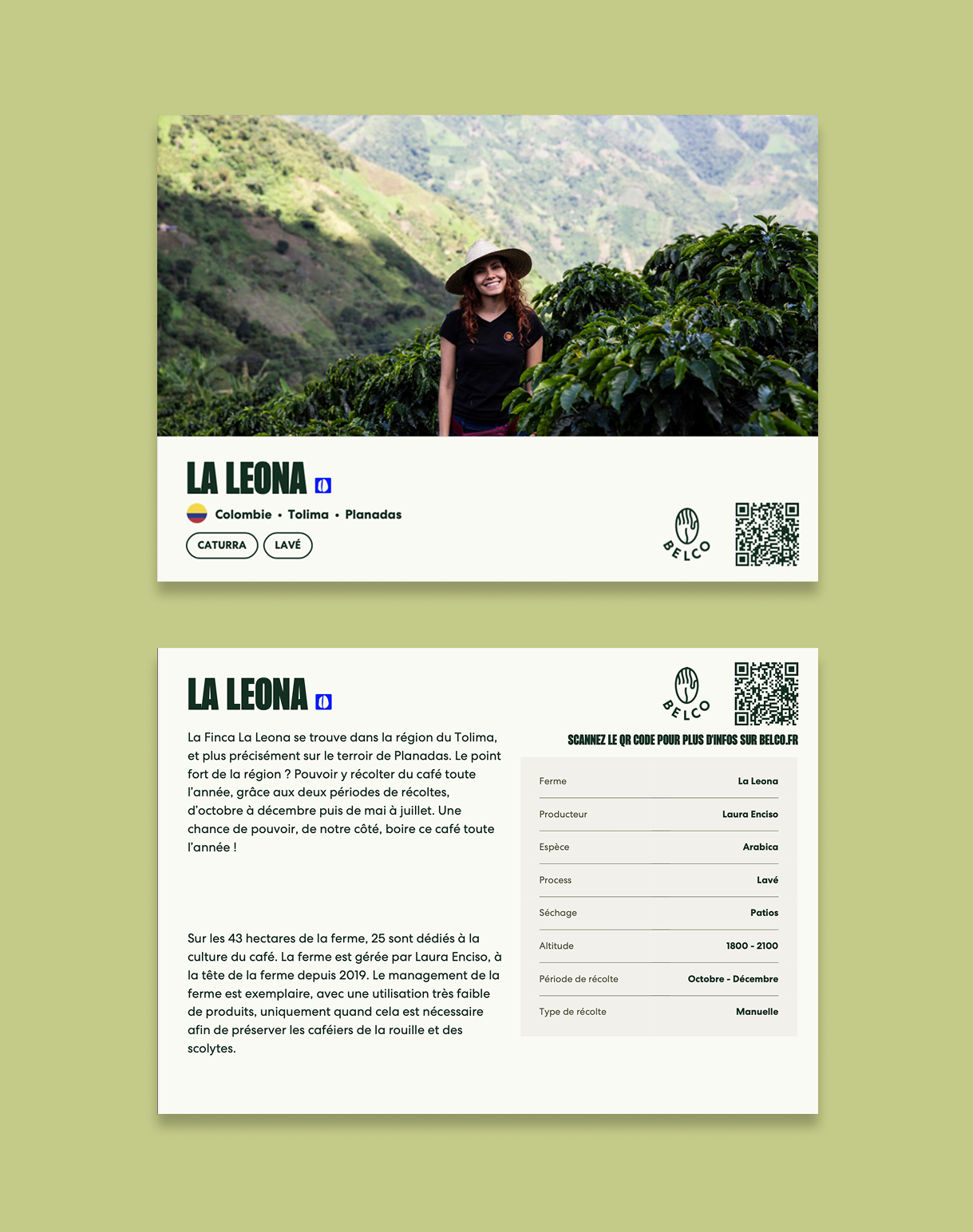
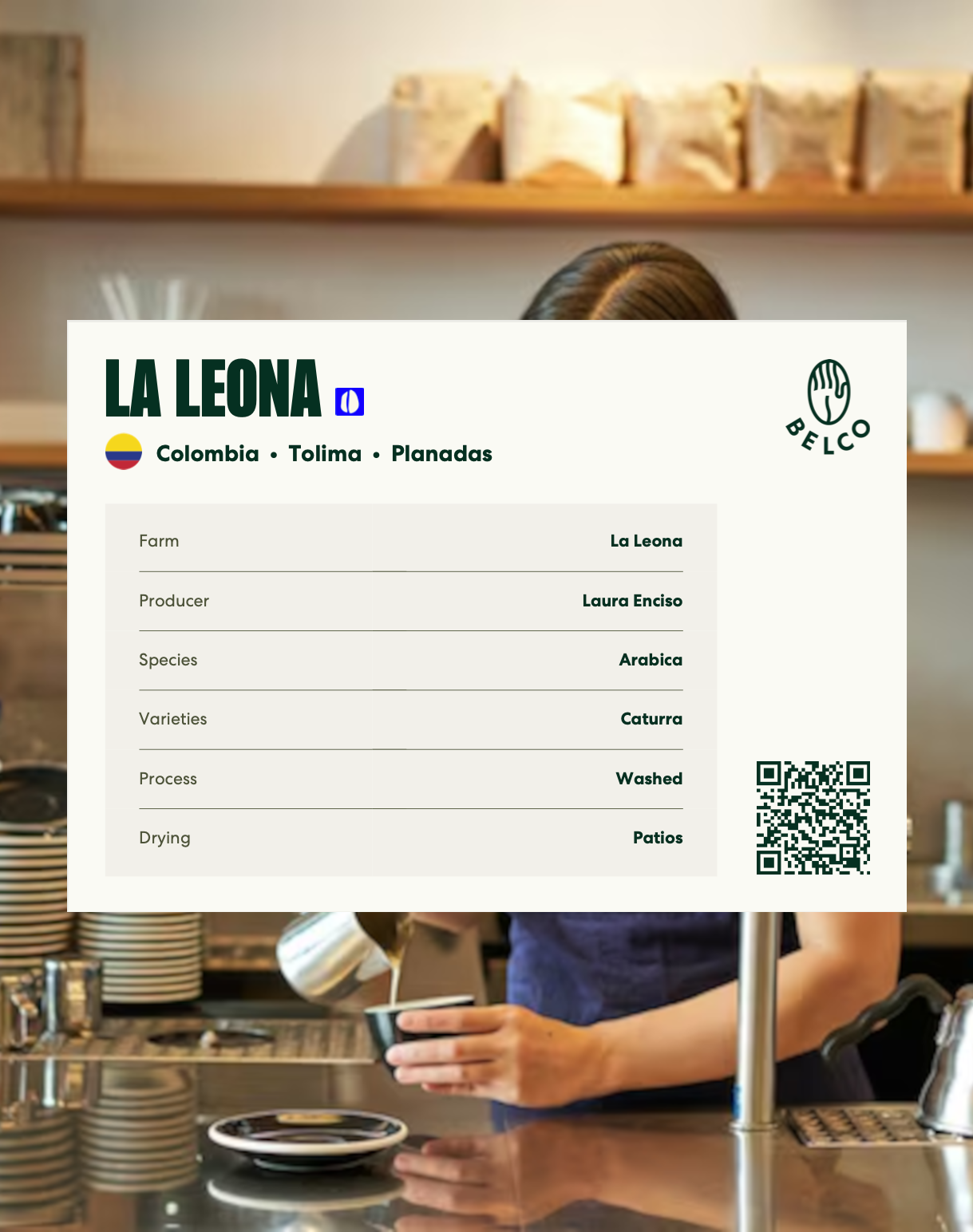
POS displays, postcards, QR codes for packaging, ...

  • Origin

    Rwanda
  • region

    Province du Nord
  • terroir

    Musasa
  • cooperative

    Dukunde Kawa Musasa Cooperative
  • Producer

    Dukunde Kawa
  • Species

    Arabica
  • Variety

    Red bourbon

  • Process

    Honey

  • Drying

    Drying beds

  • Packaging

    60kg - Jute bags

  • Altitude

    2000 - 2200
  • Area

    392 hectares
  • Harvest period

    May - June
  • Type of harvest

    Manual

The station Mbilima

The Mbilima washing station belongs to the Dukunde Kawa Musasa cooperative, established in 2005. Dedicated to certified organic coffees. It was created to help local farmers in the village of Akanduga, nicknamed Rubyiniro. 

The station stands at 2020 meters above sea level, making it one of the highest in Rwanda, and works with 900 farmers over an area of 70 hectares. Mbilima employs 120 seasonal workers, 95% of whom are women. 

Most coffee growers carry their harvest on their heads, with only a few using bicycles. Farmers bring their harvest to site collectors in neighboring villages, who then transport the coffee by motorcycle within 8 hours of harvesting.

Annual coffee production varies between 450 and 650 tonnes, allowing 4 to 5 containers of exportable green coffee to be processed each year.

At Mbilima, the coffee is sorted by gravity and then mechanically pulped, before being dried on one of the station's 120 drying beds. Coffee can be processed washed, natural, honey and anaerobic. Depending on the type of process and weather conditions, drying times vary from 25 to 60 days.

Meet Dukunde Kawa

Learn more

A few words about Dukunde Kawa

Founded in 2003, the Dukunde Kawa cooperative today brings together almost 2,000 farmers, 80% of whom are women. The cooperative has been Fairtrade certified since 2005. Thanks to Fairtrade premium prices, the cooperative has been able to finance the purchase of cows for members of its community, thus helping to diversify its income, provide health insurance and training in agronomy, with the aim of becoming ever more sustainable and improving coffee quality.

The cooperative's projects include improving the washing stations and setting up a milk collection center to produce dairy products for sale on the local market. 

Analyzed to the nearest gram

Find detailed physical and sensory analyzes of your coffee in the quality sheet with:

  • Density
  • The humidity level
  • Water activity
  • Colorimetry
  • The sieve
  • The nature of the defects
  • The score and its details
  • The aromatic profile (downloadable)
Quality sheetDiscover our quality service

Project Greengo - Rwanda

Supporting the development of a cooperative through the purchase of coffee

See the project

Equipments selection