

Colombie
L'actu sur place
Fiche d'identité
Capitale
Bogota Superficie
840 112ha Superficie moyenne des fermes
1,56ha Géographie
Grande diversité de zones montagneuses Période de récolte
Octobre - Janvier Récolte secondaire
Mai - Juin Nombre de producteurs
600000 Nombre de personnes vivant de l'industrie
540000 Production de sacs par an
14000000 Variétés principales
Bourbon rouge, Geisha, Caturra, Typica, Bourbon, Caturra rouge, Castillo, Pacamara, SL 28
La filière du pays
La filière
La Colombie produit exclusivement de l'Arabica, le Robusta n'étant pas soutenu et autorisé par la FNC (la Fédération Nationale des Caféiculteurs en Colombie). Cela signifie qu'il n'est pas possible d'exporter du Robusta puisque le certificat d'origine ne sera pas délivré et que les règles phytosanitaires ne sont pas définies pour cette espèce de café. La production de café est le principal générateur d'emplois dans les zones rurales.
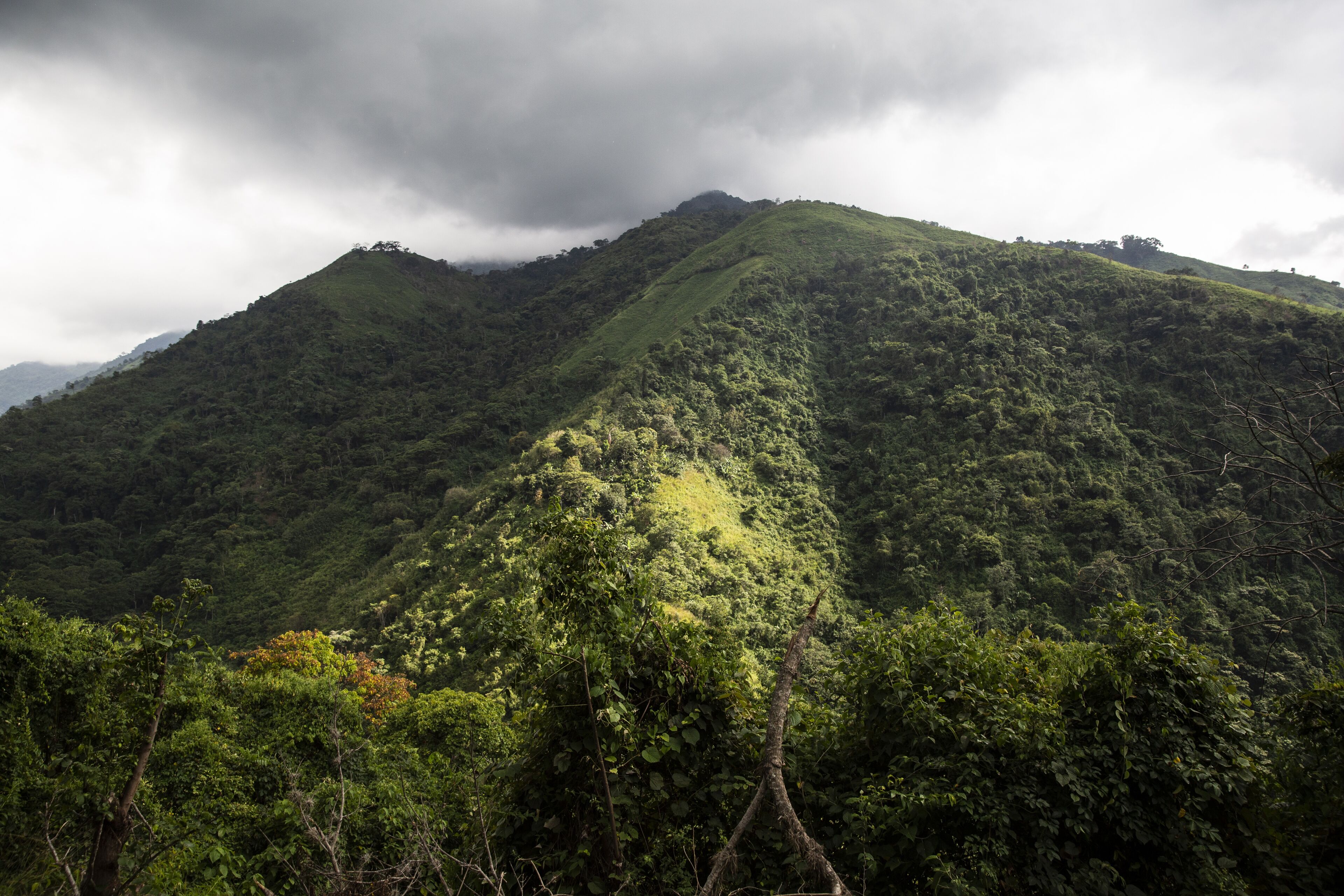
Les régions caféières sont montagneuses et 90% des producteurs possèdent de très petites plantations (0,80 hectare en moyenne). L'âge moyen d'un producteur est de 53 ans. Beaucoup de producteurs pratiquent la polyculture (poulets, œufs, etc.) pour diversifier leurs revenus. De nombreuses associations et coopératives locales ont été créées pour aider les producteurs dans les différentes étapes de la filière : culture, cueillette, traitement post-récolte, transport, emballage, projets et certifications.
Geographie
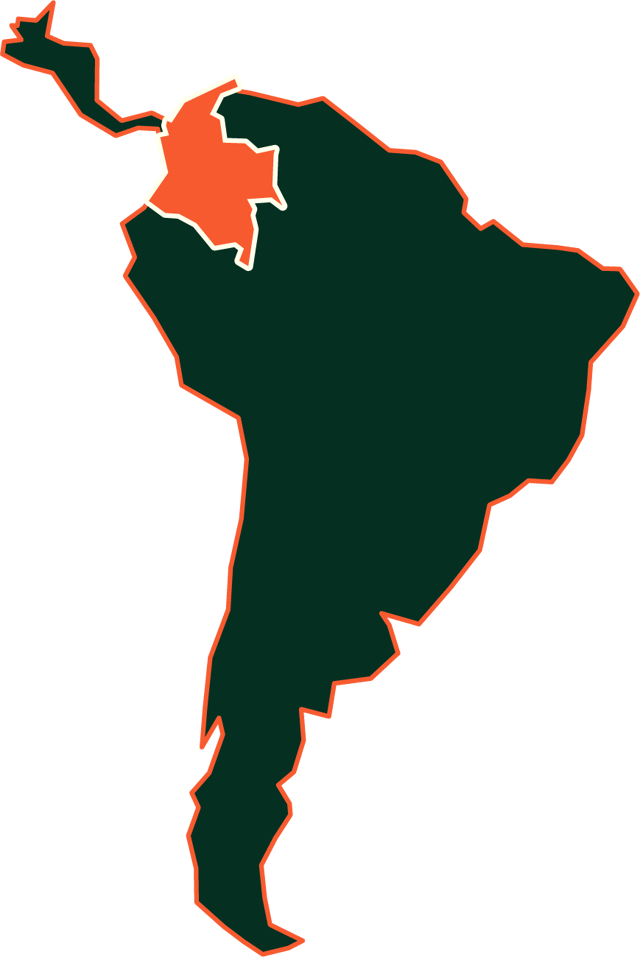
La Colombie est située à l'extrémité nord-ouest de l'Amérique du Sud, avec une superficie de 1 141 748 km2. Elle est bordée par les côtes du Pacifique et de l'Atlantique. Elle est traversée du Nord au Sud par la cordillère des Andes qui, près de la limite sud, se divise en trois branches : la cordillère occidentale, la cordillère centrale et la cordillère orientale. À l'Est de la Cordillère orientale se trouvent l'Orénoque ou les Llanos et l'Amazonie colombienne. La Colombie compte également comme chaînes montagneuses la Serranía del Baudó et la Sierra Nevada de Santa Marta. Six sommets dépassent les 5000 mètres. Les valeurs pluviométriques déterminent les différents climats. On en distingue deux, le premier est le climat des plaines ou des bas plateaux (situés à moins de 500 mètres d'altitude) avec une température moyenne de 25 degrés. Le second est celui des montagnes et des vallées d'altitudes supérieures à 500 mètres où l'on trouve une grande diversité de climats. Ils peuvent être très humides, pluvieux, secs ou très secs. L'étendue du pays et sa diversité géographique expliquent en partie la grande diversité aromatique et les différentes périodes de récolte en Colombie.
Principaux acteurs
La création de la Federación Nacional de Cafetaleros de Colombia (FNC) en 1927 a été déterminante pour le développement, l'organisation et la valorisation du café colombien. Depuis sa création, une taxe a été ajoutée pour l'exportation du café. Gérée par la FNC, cette taxe s'appelle la contribution café. Elle s'élève aujourd'hui à 0,06 USD par livre exportée. Le Fonds national du café (Fondo Nacional del Café - FoNC) a été fondé en 1940. Il est géré par le FNC et est renouvelé tous les 10 ans. .
Les cafés de
Prix spot
€/kg
Prix spot
€/kg
Prix spot
€/kg
Prix spot
€/kg
Prix spot
€/kg
Prix spot
€/kg
Prix spot
€/kg