Robusta durable en Ouganda
Contexte
L'impact du changement climatique affectera fortement la production de café.
Quand on sait que le Robusta :
- est une espèce plus résistante aux températures élevées (l'Arabica souffre au delà de 23°C alors que le Robusta tolère jusqu'à 30°C)
- est moins sensible à la rouille et aux ravageurs (son nom vient de robuste d'ailleurs)
- s'adapte mieux face aux aléas climatiques (stress hydrique, sécheresse)
- a une productivité plus élevée (il donne jusqu'à deux fois plus de café par hectare que l'Arabica)
- nécessite moins d'intrants et de phytosanitaires
La culture de Robusta de qualité ne serait-elle pas une solution pour l'avenir du café ?
Origine du Robusta
Le Robusta (Coffea canephora) est originaire des forêts tropicales d'Afrique centrale et occidentale. L’Ouganda est considéré comme l’un des berceaux du Robusta, où il pousse encore aujourd’hui à l’état sauvage. Cette origine en fait une espèce naturellement adaptée aux conditions tropicales chaudes et humides, avec une capacité de résilience bien supérieure à celle de l’Arabica. Même si aujourd’hui le Vietnam est devenu le premier producteur mondial de Robusta, l’Ouganda reste un acteur majeur avec des variétés locales de haute qualité.
Pourquoi avoir choisi Bukomansimbi ?
Le district de Bukomansimbi produit plus de 80% du Robusta ougandais. Cependant, la région rencontre des défis en matière de qualité, notamment en raison du manque de formation sur la gestion post-récolte et d’un marché peu incitatif. Pourtant, certains producteurs sont déterminés à apprendre et à améliorer leurs pratiques. C'est donc le lieu idéal pour lancer ce projet de Robusta de haute qualité.
Présentation du projet
Le projet Robusta Durable à Kikenene vise à valoriser la culture du Robusta en Ouganda et particulièrement la variété Nganda en accompagnant les productrices et producteurs vers des pratiques plus durables et une meilleure qualité. Grâce à des formations en agroforesterie, en gestion des sols et en transformation du café, ce projet ambitionne d’améliorer la résilience des cultures face au changement climatique, d’augmenter la valeur ajoutée pour les producteur·rices et d’établir une relation de sourcing pérenne avec la Bukomansimbi Quality Coffee Farmers Association.
Objectifs
- Former les productrices et producteurs à l’organisation en groupes et les accompagner dans la structuration de l'association.
- Dispenser des formations sur les pratiques agricoles durables : plantation d’arbres d’ombrage, utilisation d’engrais organiques et amélioration des méthodes post-récolte.
- Établir une relation de sourcing pérenne avec la Bukomansimbi Quality Coffee Farmers Association.
Indicateurs de succès
Court terme (1 an)
- Amélioration de la qualité du café grâce aux formations.
- Nombre de membres souhaitant rejoindre l’association.
- Adoption des nouvelles pratiques agricoles (système agroforestier).
- Nombre d’arbres plantés la première année.
Long terme
- Amélioration continue de la qualité du café.
- Croissance du nombre de membres.
- Développer une offre désirable et durable de Robusta.
- Amélioration des conditions de vie des producteurs et développement des infrastructures de l’association (machines, équipements de transformation, etc.).
Documentation complète
Page en PDF et QRCode dans toutes les langues
Vous souhaitez soutenir cette initiative ? Les cafés associés à ce projet seront bientôt dispo.
Timeline du projet
Septembre 2024
Lancement du projet
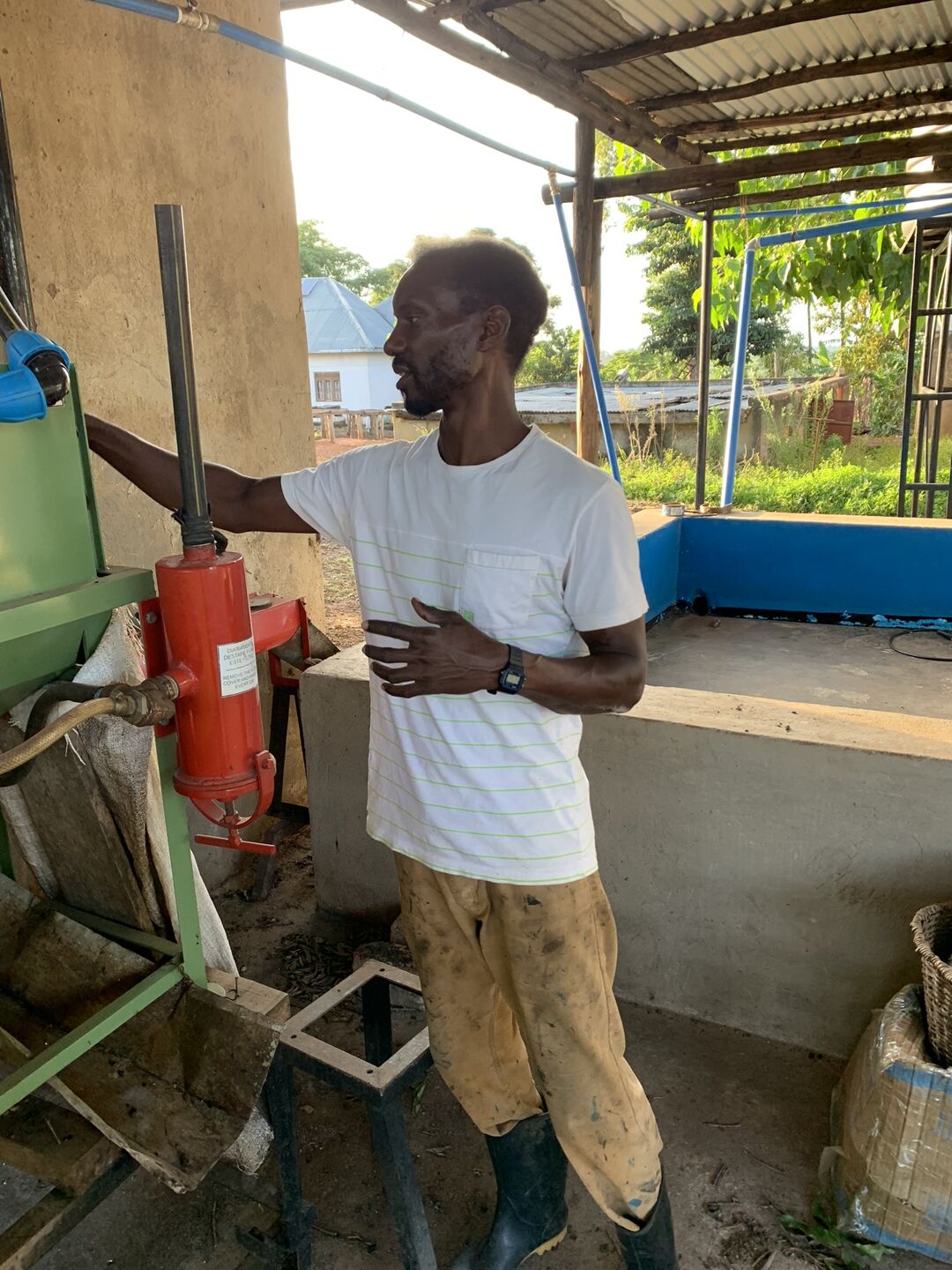
Afin de lancer ce projet, Stephan et Maureen, basés sur le terrain, ont lancé une série de visites auprès des fermiers de la zone de Bukomansimbi pour sélectionner les fermiers et les fermes ayant un bon potentiel de production de Robusta de qualité.
Octobre 2024
Réunion de lancement
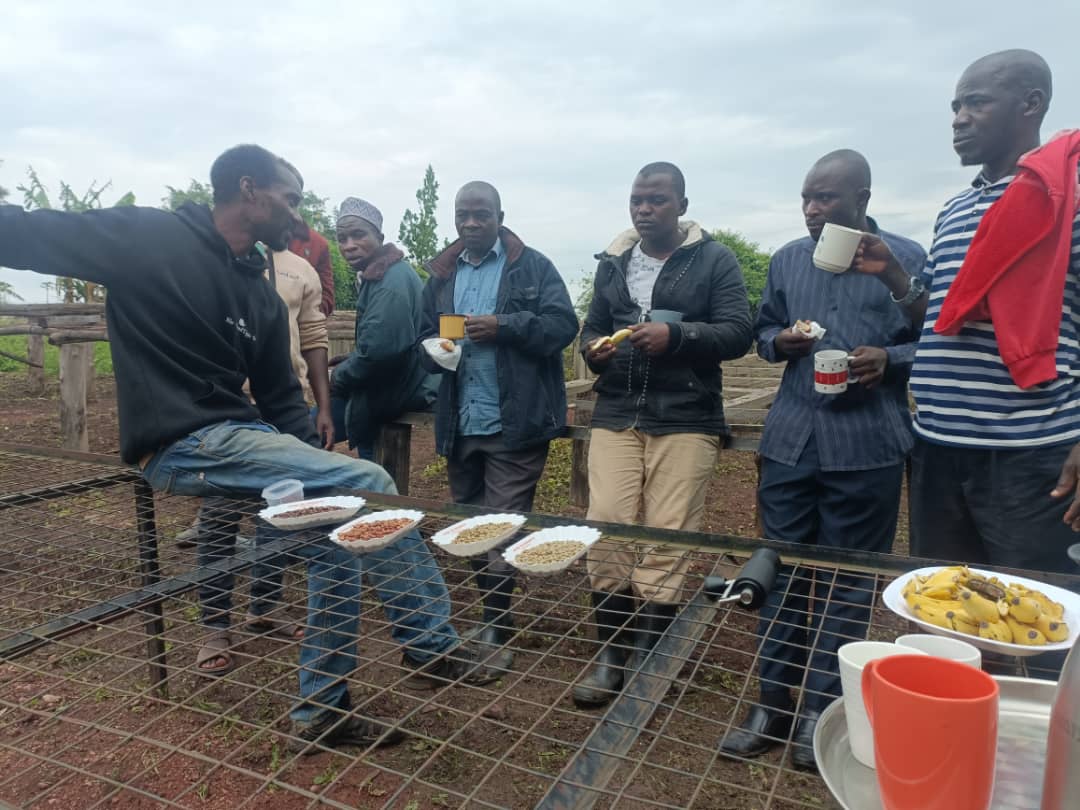
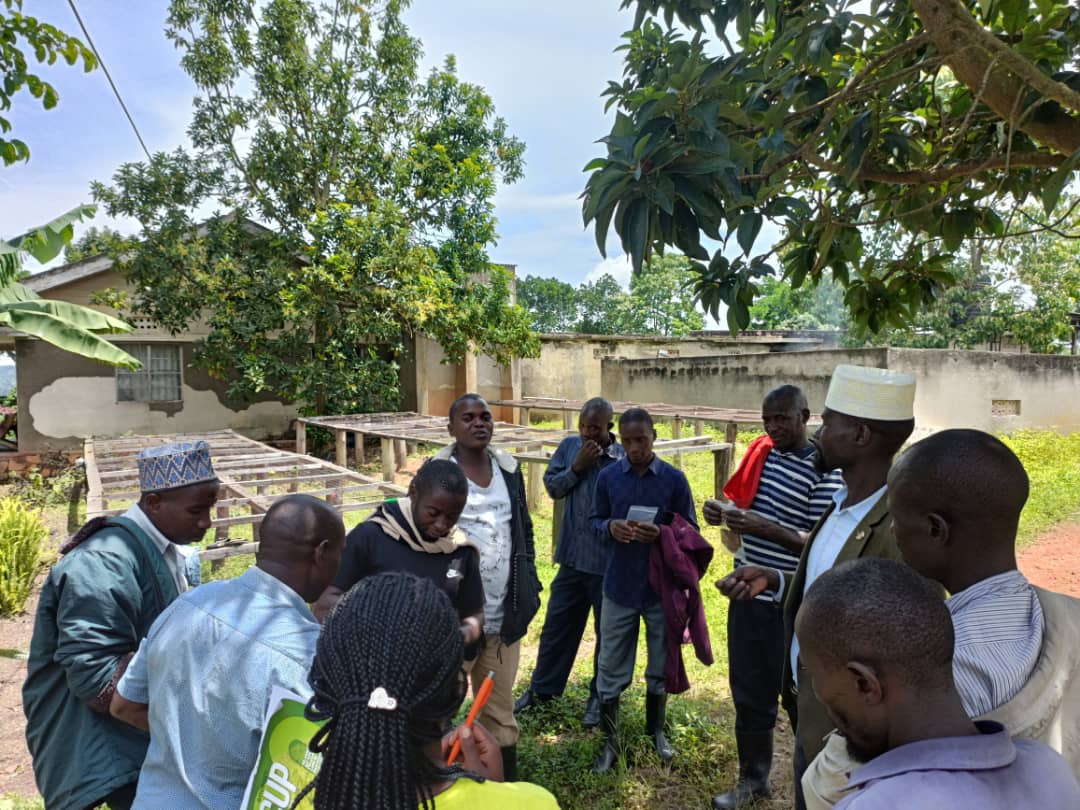
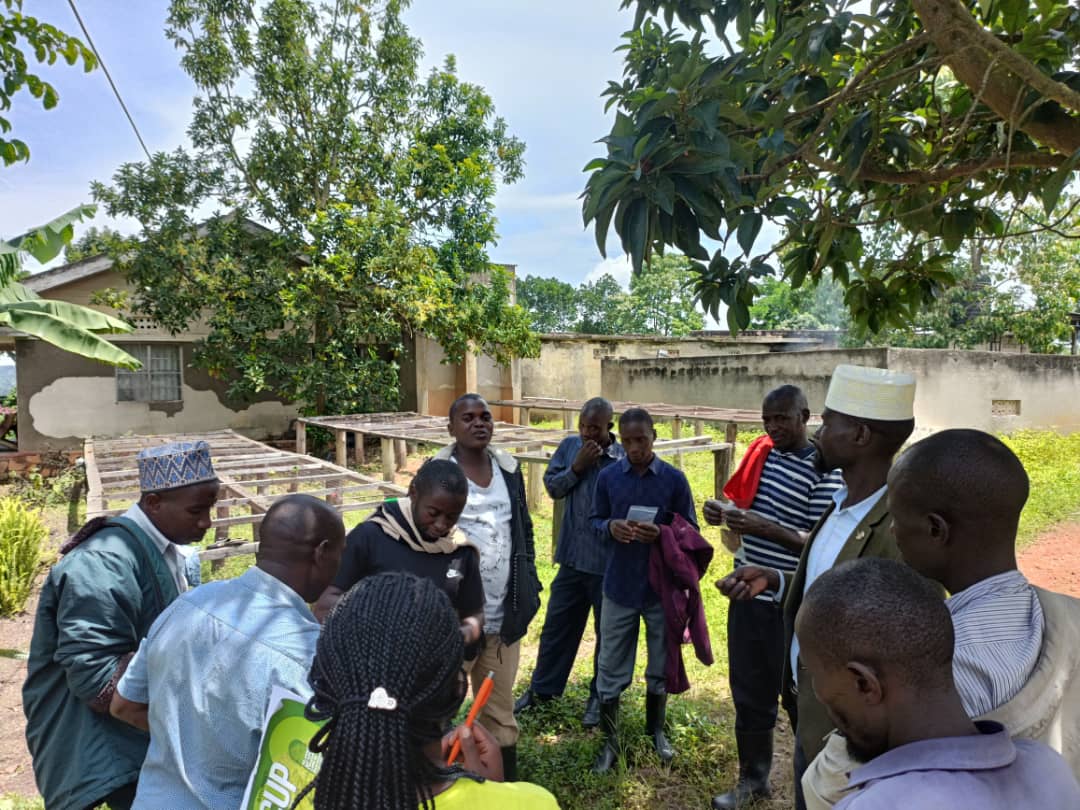
Organisation d'une réunion avec 15 agriculteurs dans un lieu central et explication du projet de sourcing de robusta durable.
Octobre-Novembre 2024
Visites des fermes et constat
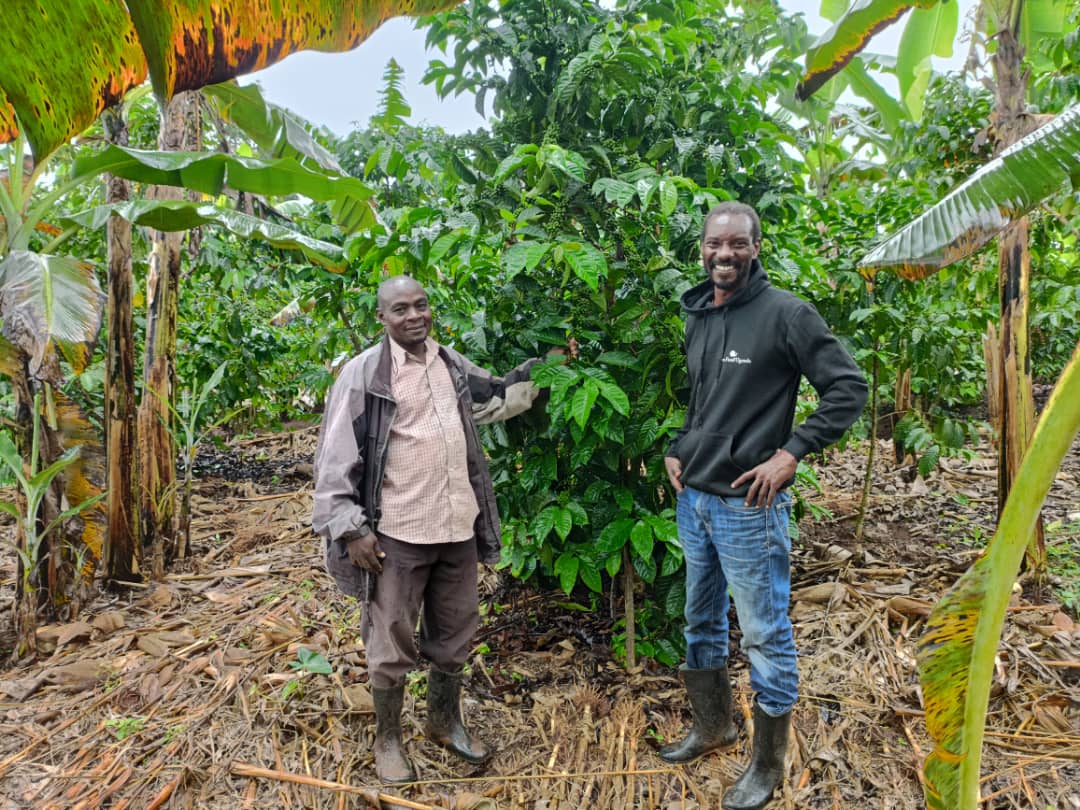
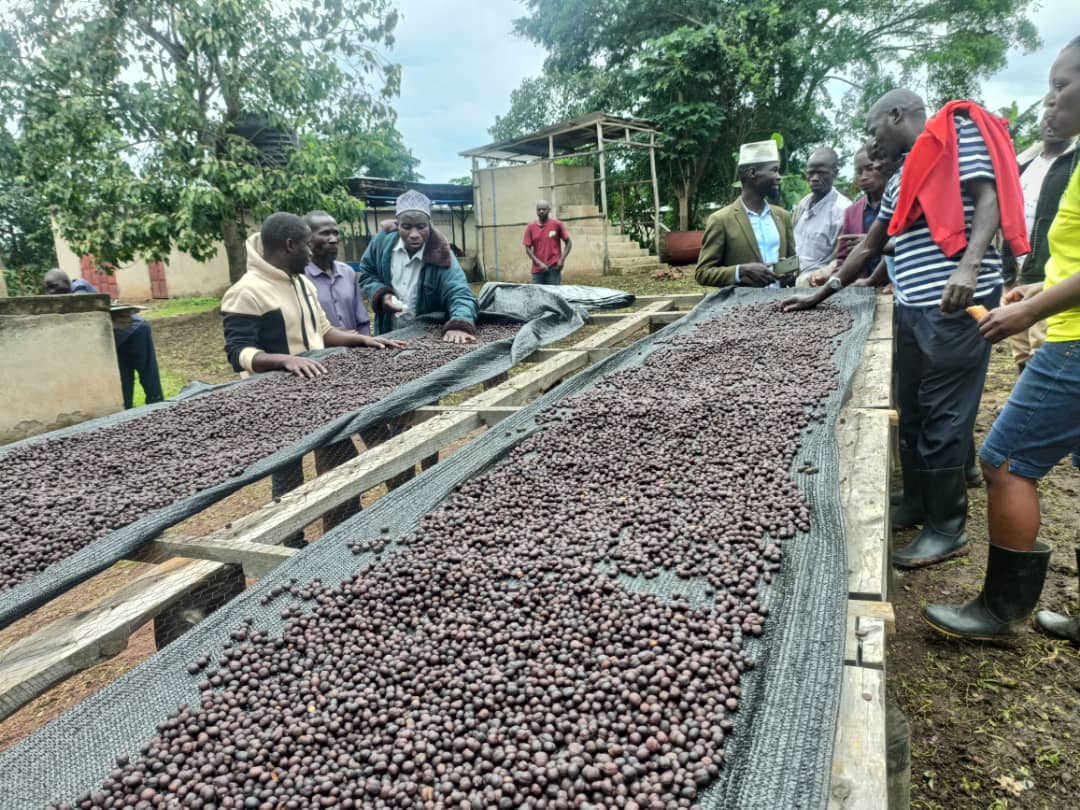
Planification et visites des 15 fermes individuelles afin d'analyser leurs pratiques agronomiques, les méthodes de traitement après la récolte, la superficie et les opportunités.
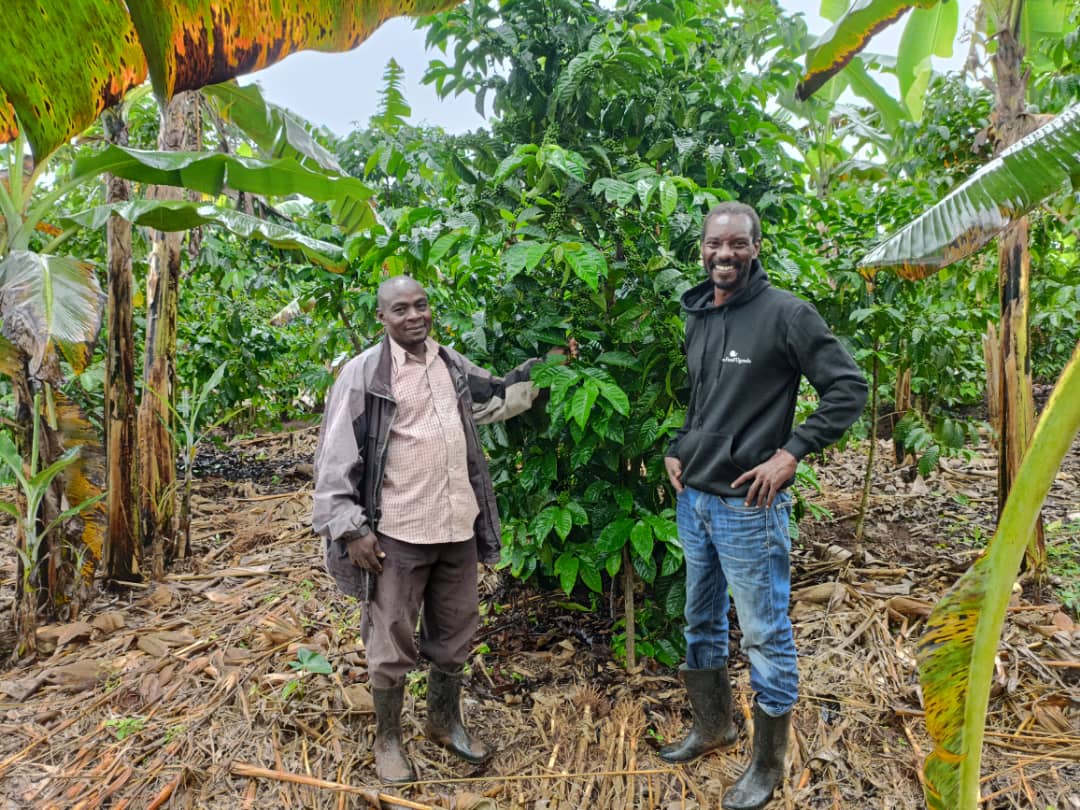
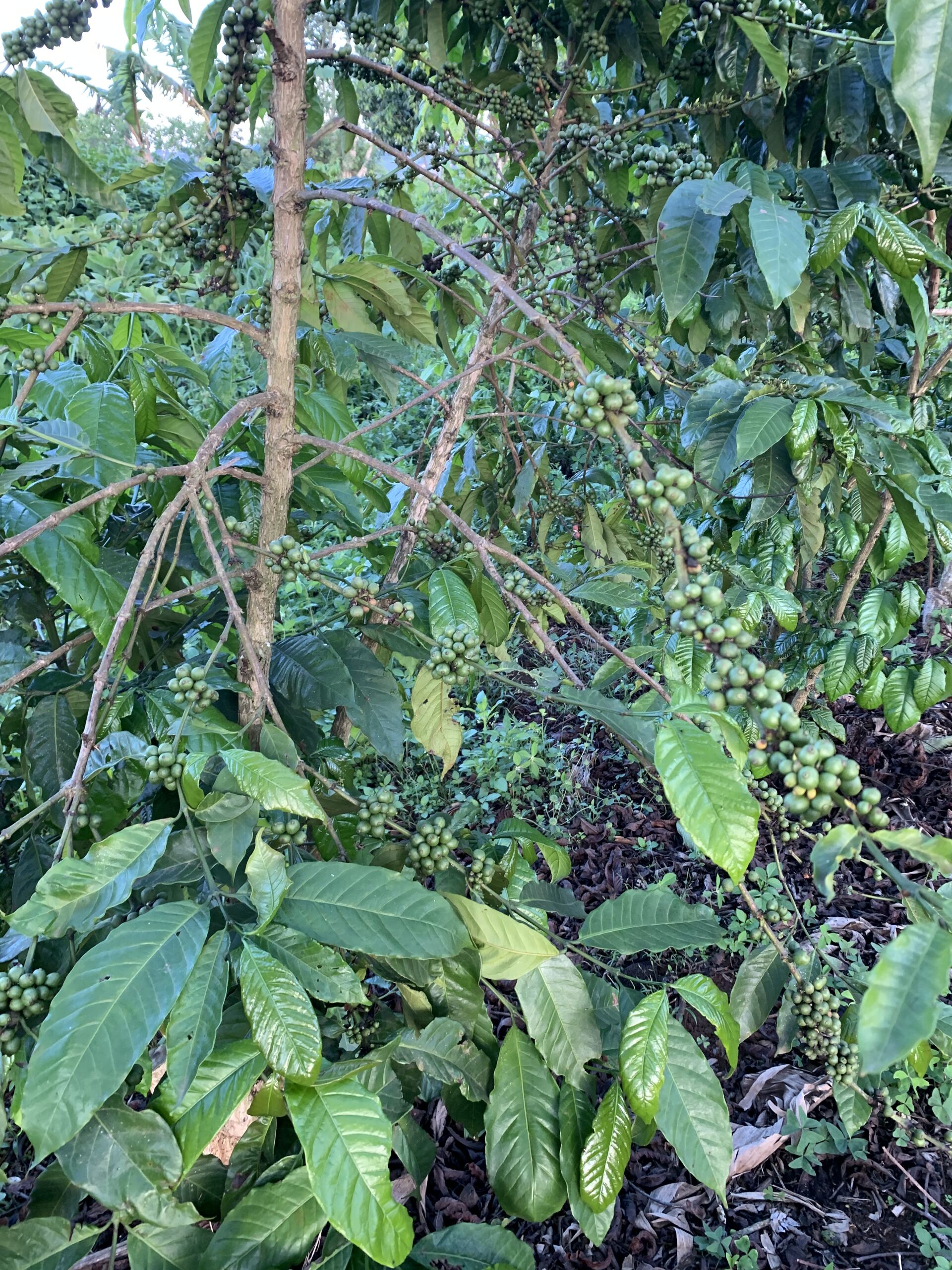
Les agriculteurs possèdent en moyenne 10 acres de terre et ils cultivent le café en polyculture avec des bananes, des pommes de terre et du manioc. Ils sont encore très peu à avoir planté des arbres d'ombrage comme le mutumba, l'avocatier, le manguier et le jacquier car on leur avait toujours dit que l'ombrage favorisait les maladies des caféiers. Ils pratiquaient tous l'agriculture bio, sauf depuis les deux dernières années. Ils gèrent la récolte manuelle et le séchage sur leurs fermes.
2 Novembre 2024
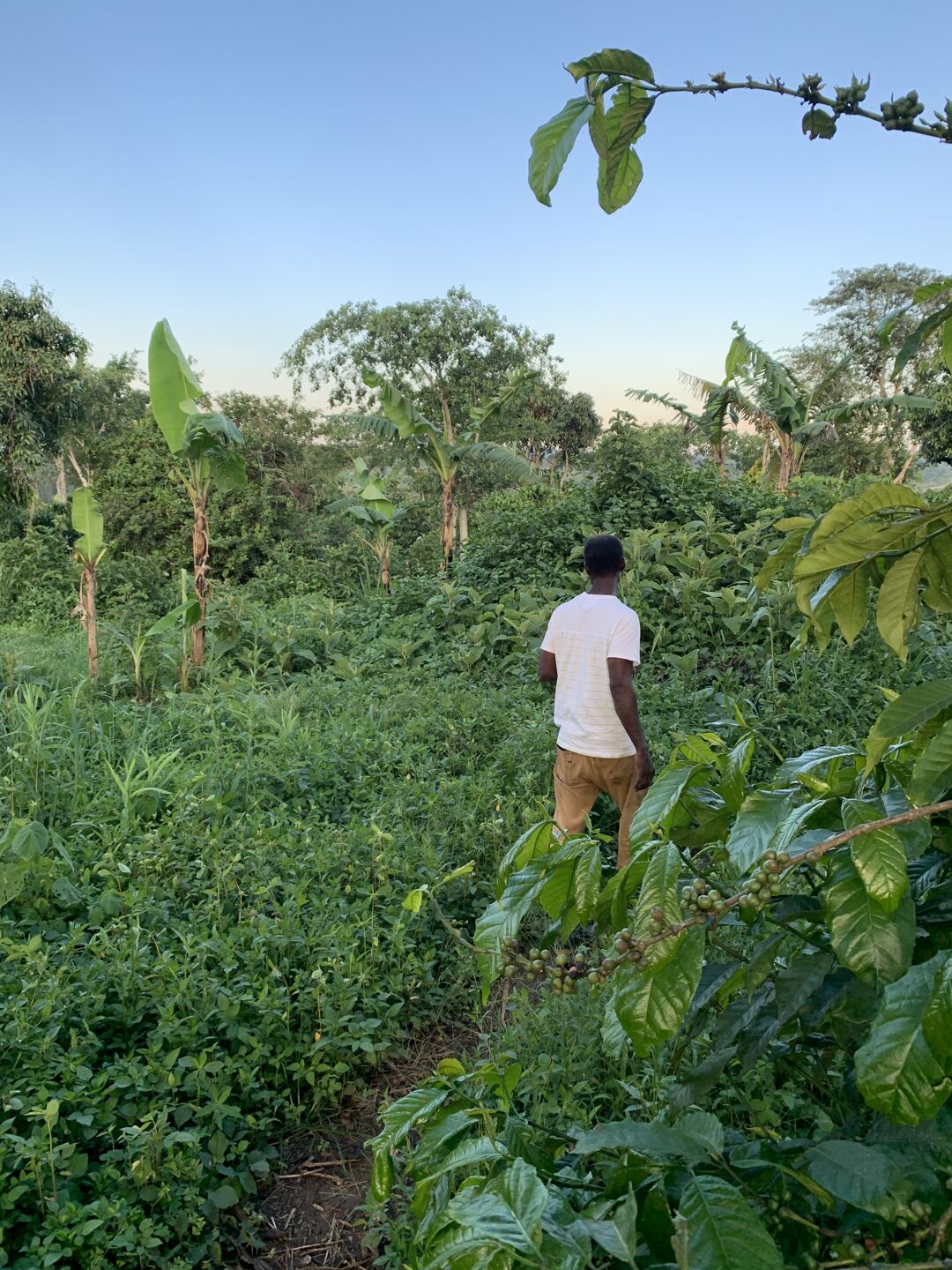
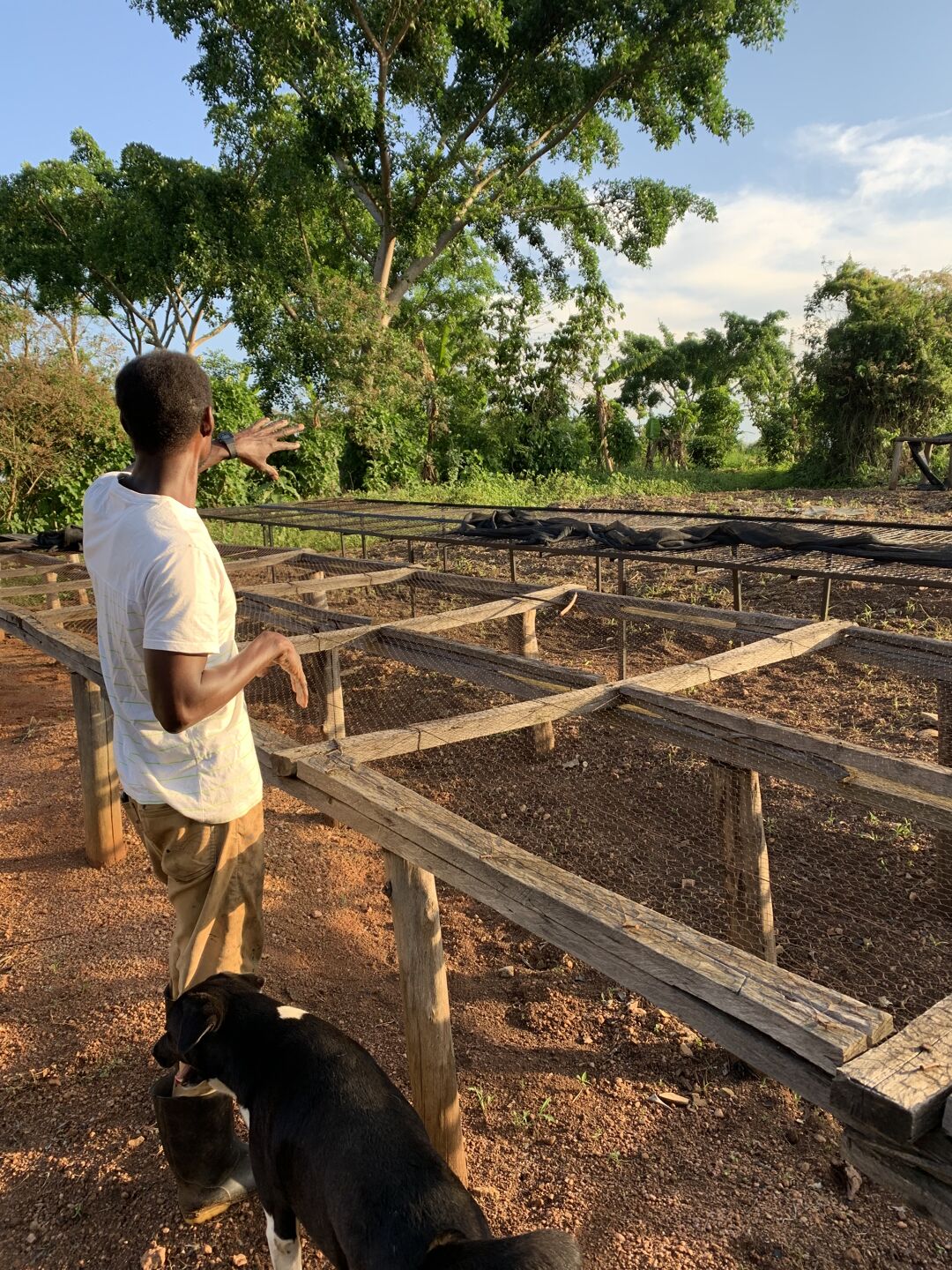
Visite de la ferme pilote de Stephan et Maureen pour inspiration
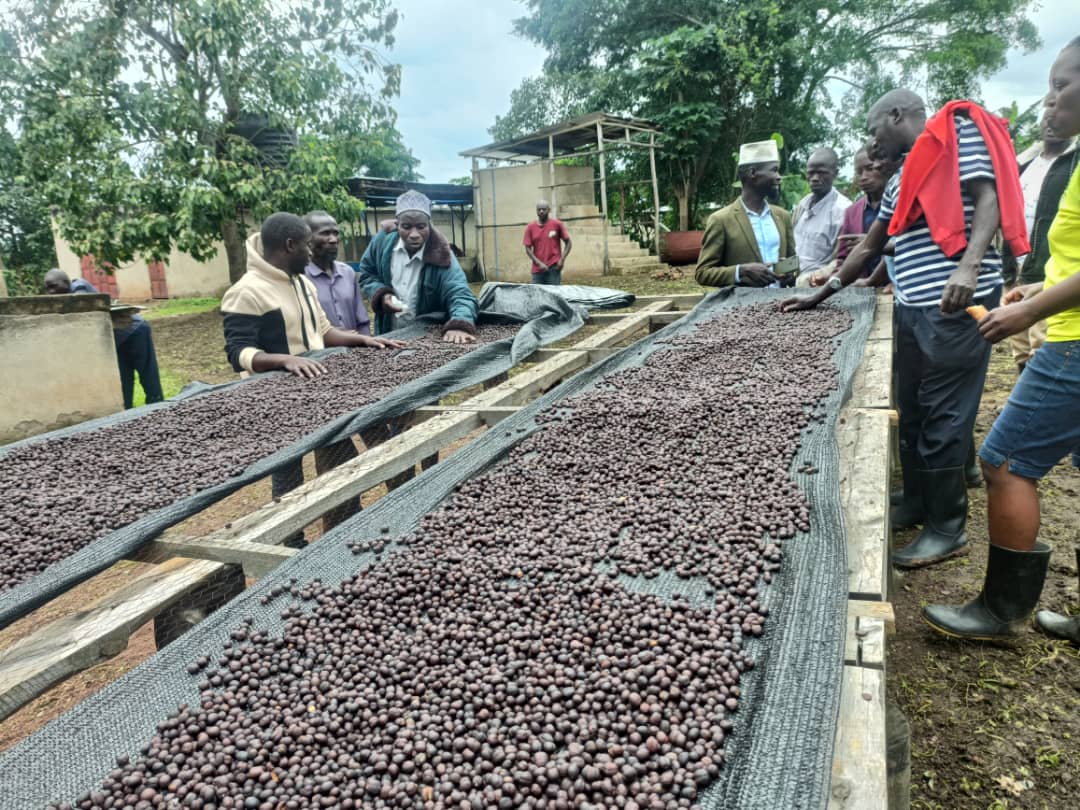
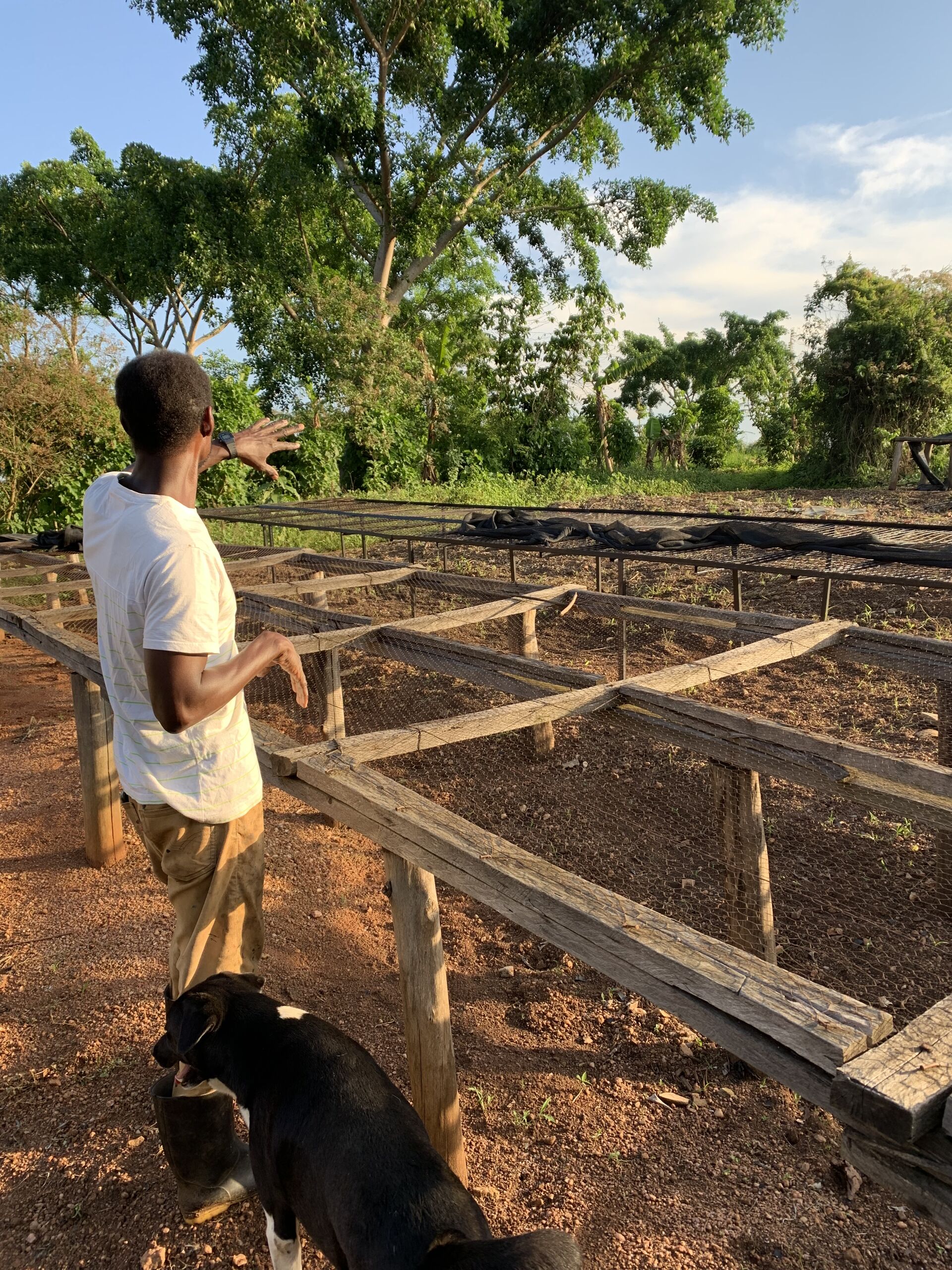
Les 15 fermiers ont visité la ferme de Stephan et Maureen pour se former et s'immerger dans un modèle exemplaire de pratiques agricoles durables. Au programme de la formation : pratiques agricoles bio, culture sous ombrage, récolte sélective à maturité, tri par flottaison, séchage sur lits surélevés, impact du taux d'humidité.
Novembre 2024
Création d'une association
Suite à ces formations, les fermiers ont décidé de former une association : l'Association des producteurs de café de qualité de Bukomansimbi et ils ont élu un représentant. Chaque fermier produira et transformera un petit lot (au moins 200kg) cette année pour lancer le projet.
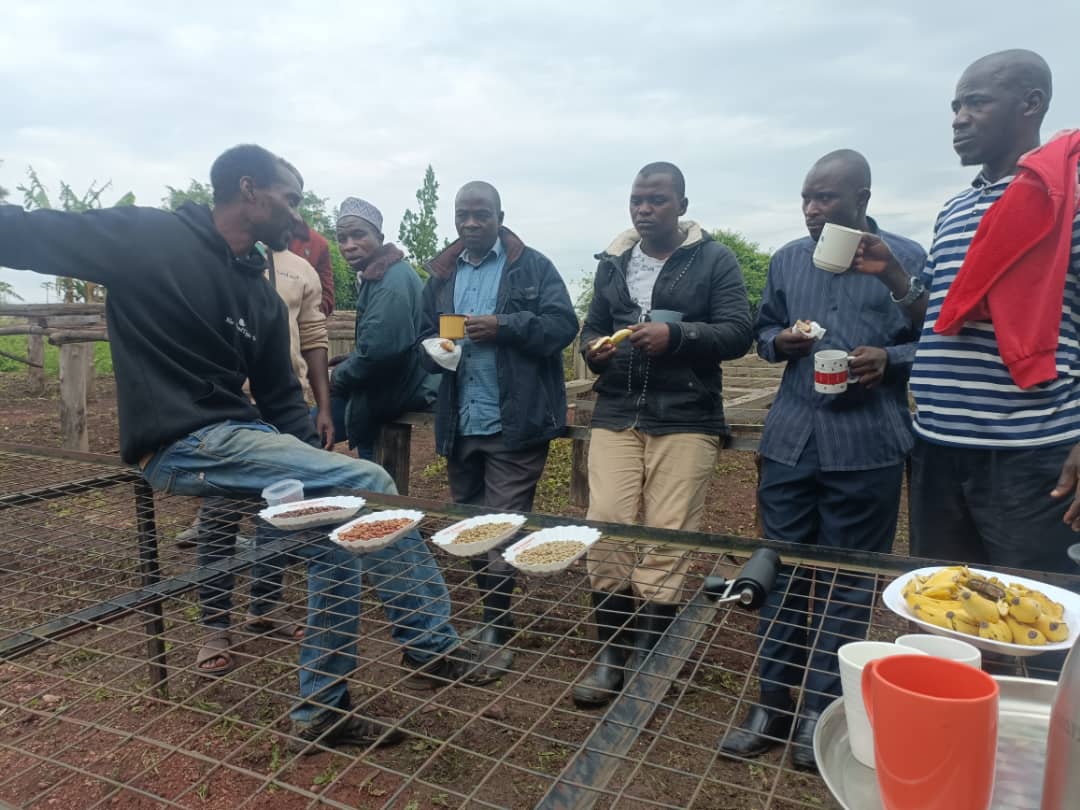

"En développant une filière de Robusta durable et de qualité, nous donnons aux producteur·rices les moyens de préserver leur terroir, d’améliorer leurs revenus et de bâtir une filière plus résiliente face aux défis climatiques. Ce projet, c’est l’occasion de redorer l'image du Robusta auprès des torréfacteurs et des consommateurs.
Cette initiative est menée et suivie par nos collègues Belco sur place en Ouganda : Stéphan Katongole et Maureen Kaliisa, eux-mêmes producteurs de Robusta de qualité dans leur ferme. "