Blog
FAQs
Contact us
Join the team
Belco

Alaka

Ethiopia - Guji - Hambella - DINI - Q1 - 74140 - Fully washed - Bio

74140Washed
Organic

Pick your crop :

Aromatic notes:

Spot price

€/kg


About this coffee

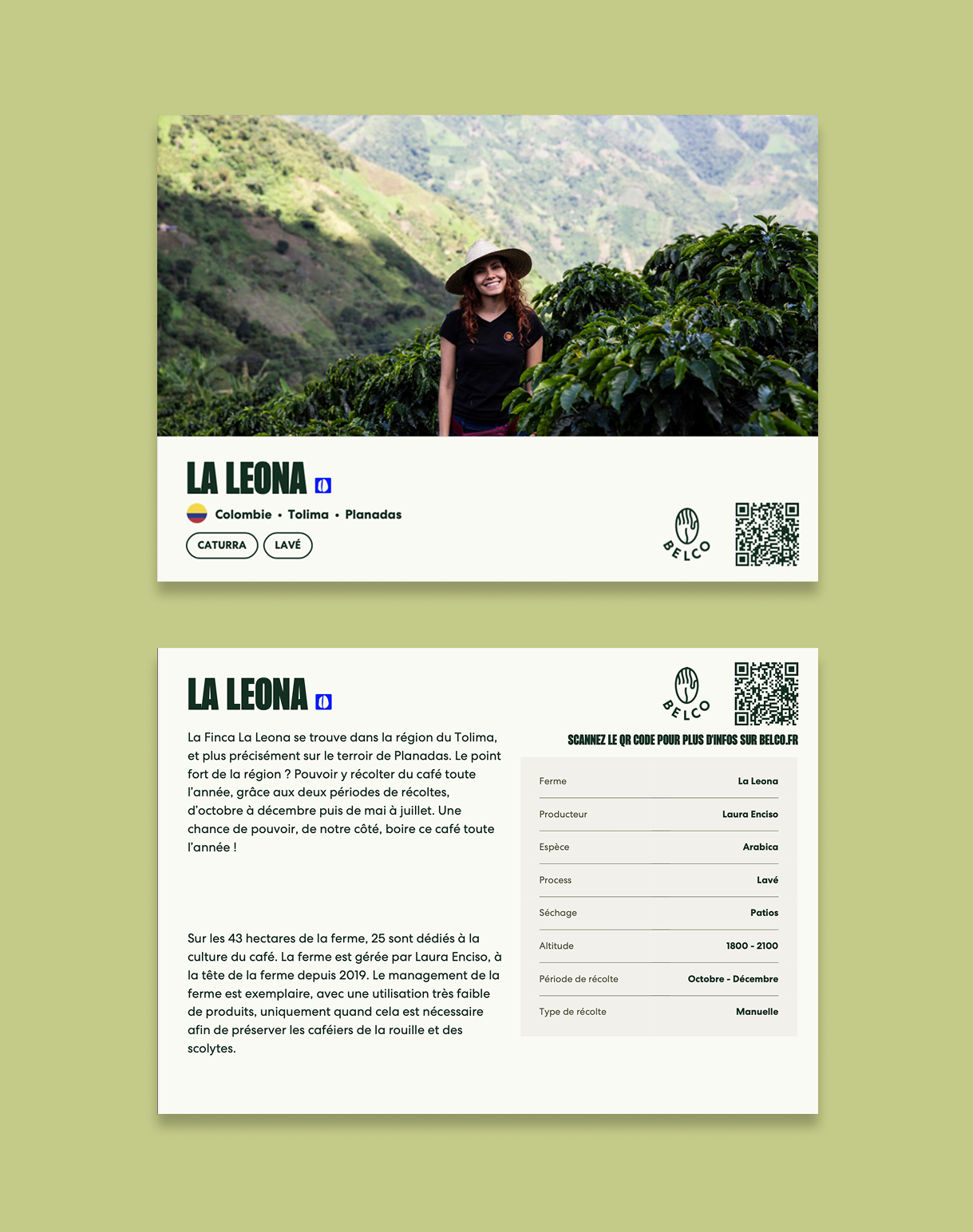
The DINI coffee offered by our partner METAD is very special: it comes from small plots on 2 farms: Hambela Bishan Fugu & Hambela Alaka, in the Guji appellation. These two farms have a very small quantity of variety 74140, which is remarkable and very uncommon in Ethiopia.

Variety 74140 is found in the Gera, Jimma and Metu regions of Ethiopia. It was developed by the Jimma Agricultural Research Centre (JARC) in 1974. It is characterised by tall plants with wider leaves than other varieties, as well as a dense grouping of cherries. It has good resistance to diseases such as rust.

The coffee is grown as part of a mixed farming system with other food crops, including fruit, vegetables and cereals, and is selectively picked by hand.

After harvesting, the coffee is dried at the Alaka station at an altitude of over 2,000m, which gives the coffee a longer drying time and less damage from insects.

Marketing tools & Certifications

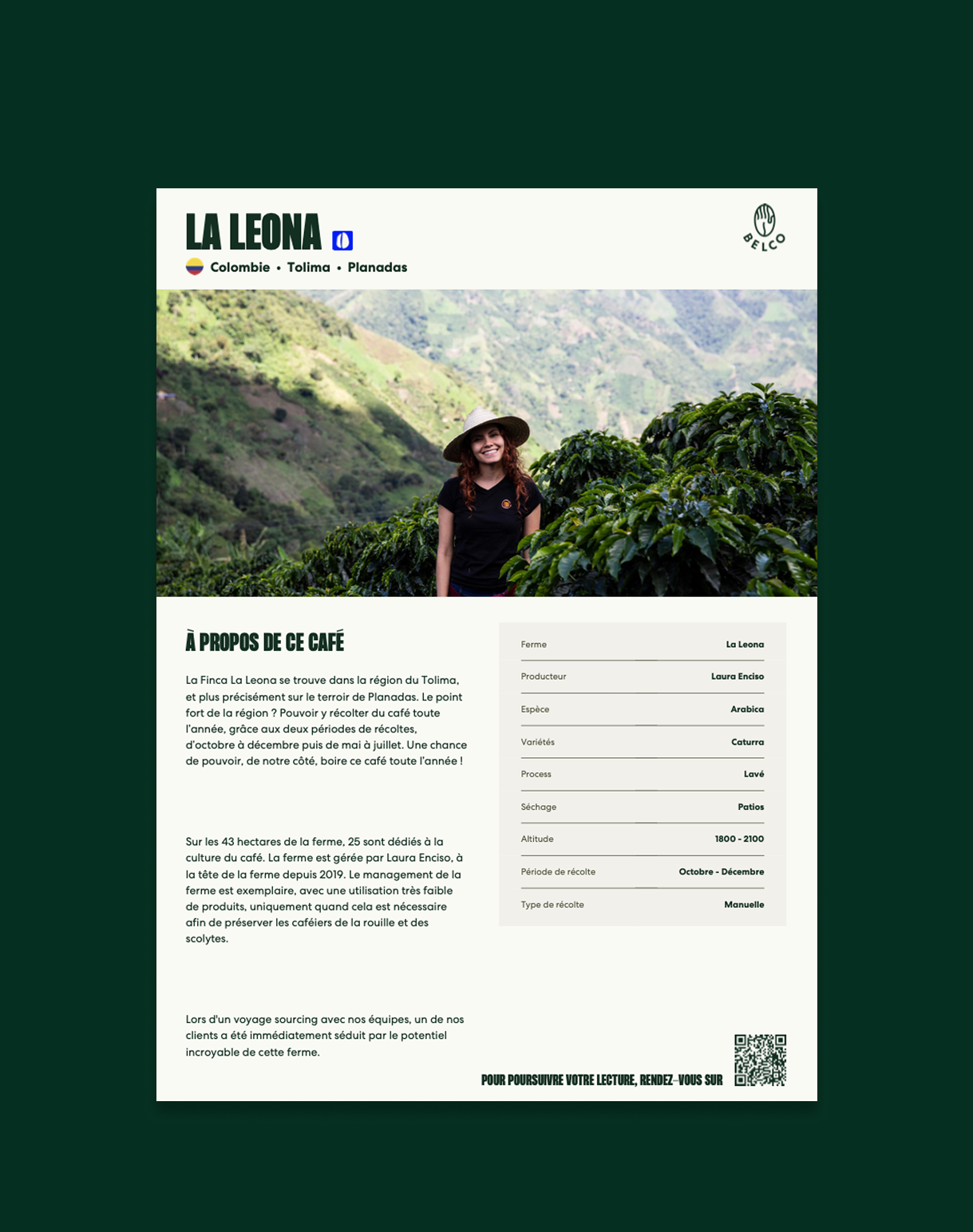
POS displays, postcards, QR codes for packaging, ...

  • Origin

    Ethiopia
  • region

    Guji
  • terroir

    Hambella
  • Farm

    Alaka
  • Producer

    Metad
  • Species

    Arabica
  • Variety

    74140

  • Process

    Washed

  • Drying

    Drying beds

  • Packaging

    60kg - Jute bags

  • Altitude

    1800 - 2200
  • Harvest period

    November - January
  • Type of harvest

    Manual

Terroir Hambella

Perched between 2,100 and 2,200 meters above sea level, Hambela lies in the Guji zone, in southern Ethiopia.
This region stands out for its rich biodiversity, fertile soils, and cool climate, creating ideal conditions for producing exceptional coffees.
Hambela is not just a place, it’s a living ecosystem, where indigenous trees, ancestral traditions, and high-altitude terroir come together to reveal the full potential of Ethiopian Arabica.

In the villages of Alaka, Korchema, and Goyo, coffee is grown under organic and semi-forest systems that preserve native shade trees such as Aningeria adolfi-friederici (qararo).
These natural canopies protect the coffee plants and contribute to the preservation of both forests and soils. 

Meet Metad

Learn more

A few words about Metad

The Metad company was founded through the impetus of a family long involved in coffee, as the grandparents of founder Aman Adinew were already coffee producers and traders. Before Metad, Aman Adinew was president of ECX (Ethiopia Commodity Exchange).

Metad was founded in 2014 to meet the specialty coffee market's expectations regarding traceability, quality, sustainability, and fair remuneration for producers.

He founded Metad with family members, American citizens who, like him, chose to return to their home country, driven by a desire to develop high-performing, quality operations. Aware of the shortcomings that could affect the Ethiopian coffee sector, they chose to promote outstanding coffees by focusing on traceability, which ensures superior value for the crops from their region. Today, Metad is among the pioneers in developing a structured specialty coffee value chain in Ethiopia.

The coffees handled by Metad are rigorously traced at every stage of the process. Lots are primarily received in parchment and undergo several mechanical sorting steps, each removing a specific type of defect, before a final Hand Sorting. This attention to processing and quality control significantly contributes to the final quality of the coffees.

Metad supports social and environmental projects whose local roots ensure their success. For coffee producers, Metad implements regular training and pre-payments for harvests, which provide these farmers with greater stability. The group has also already distributed over 600,000 coffee seedlings to the farmers they work with.

More broadly, Metad has, for example, helped construct roads. They have also funded the establishment of primary schools, covering all expenses (materials, teachers' salaries, etc.) for 800 students. They provide scholarships for 105 disadvantaged students in the Gedeo zone. Metad also implements specific support projects for women in producer communities, particularly in disease prevention and screening.

Equipments selection