
Klasik Beans & Belco: 10 years of joint commitment
For 10 years, Belco and Klasik Beans have been moving forward together around a shared vision of coffee: quality, respect for the environment, transmission and human relationships.
Belco and Klasik Beans have now been working together for 10 years.
To celebrate this anniversary, Eko came to visit us in France. It was an opportunity to look back on the journey we’ve shared, the values that shape Klasik Beans, and the projects that are giving a new dimension to our partnership today.
A shared vision of quality and the environment
For Klasik Beans, the quality of coffee is inextricably linked to the environment in which it is produced. Soil, water, climate, and biodiversity all play a role in the final quality of the cup.
This approach is reflected in particular by agroforestry, which is central to Klasik Beans' practices. Eko discusses talun , a traditional Indonesian agricultural system based on crop diversity and a close relationship between humans and their environment.
A philosophy that Klasik Beans has summarized since its beginnings through three essential relationships: Man-Man, Man-Environment and Man-Ancestral Tradition.
No good quality coffee if we are not conserving nature.
Klasik Beans & Belco: 10 years built around shared values
This vision of coffee has been one of the things bringing Klasik Beans and Belco together since the beginning of their collaboration. Over the past ten years, the partnership has grown through coffee, but also through ongoing conversations around traceability, sustainability, and how the coffee sector can continue to evolve.
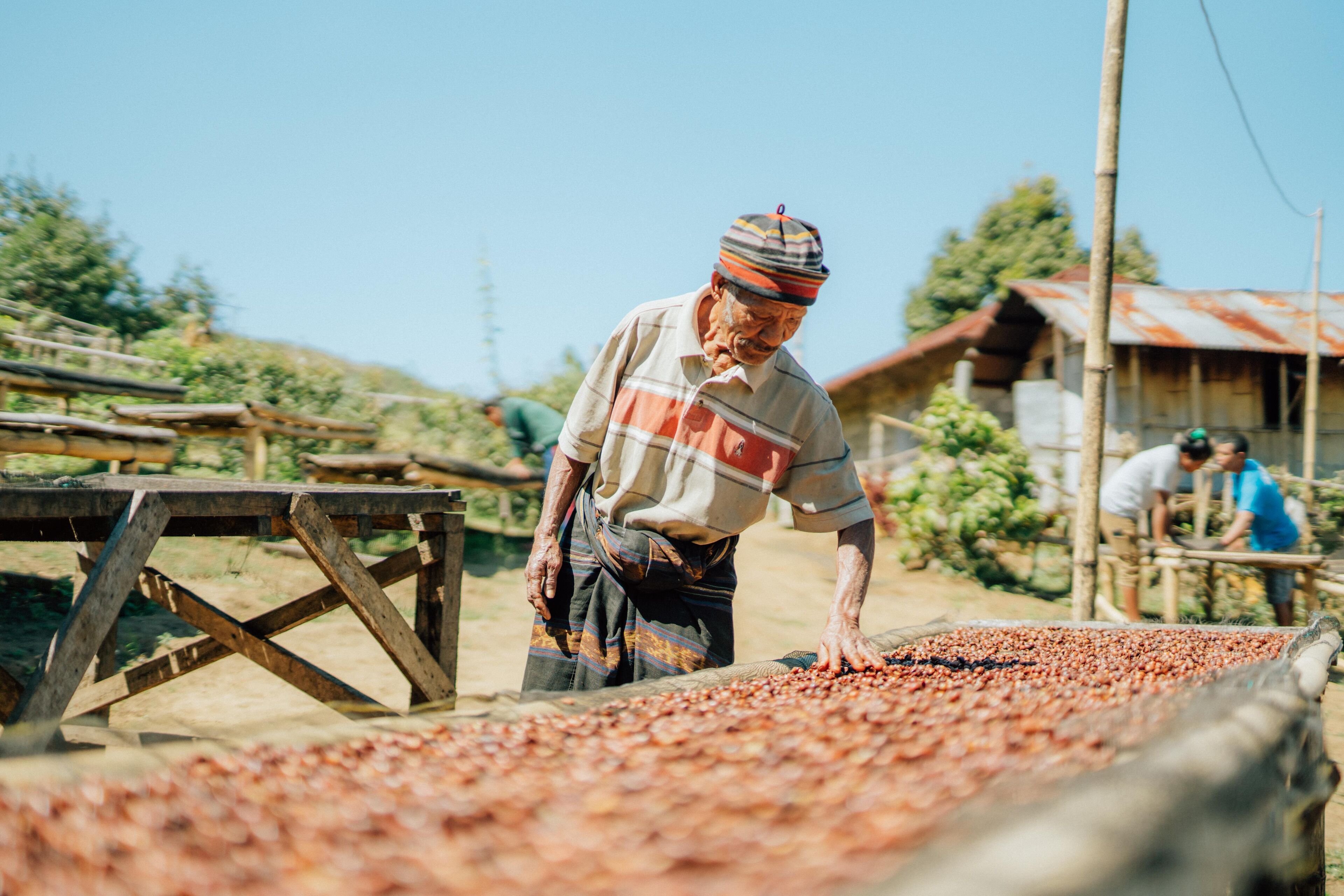
This shared approach is also reflected in the way we source coffee. In the Sunda region of Java, Klasik Beans works with around 200 producers on the Radiophare coffees. The cherries are processed using different traditional methods (natural, honey, semi-washed and wet hulled) with the same objective: producing consistent, high-quality coffees without relying on pushed or experimental fermentations.
In an environment with high levels of humidity, drying under greenhouses helps provide greater control over this key stage of processing. At the same time, Klasik Beans’ work on reforestation, producer training and data collection helps strengthen traceability and supports compliance with EUDR requirements.
This is also what we look for in a long-term partnership: quality coffees, but above all the ability to keep progressing together, year after year.
Why “Radiophare”?
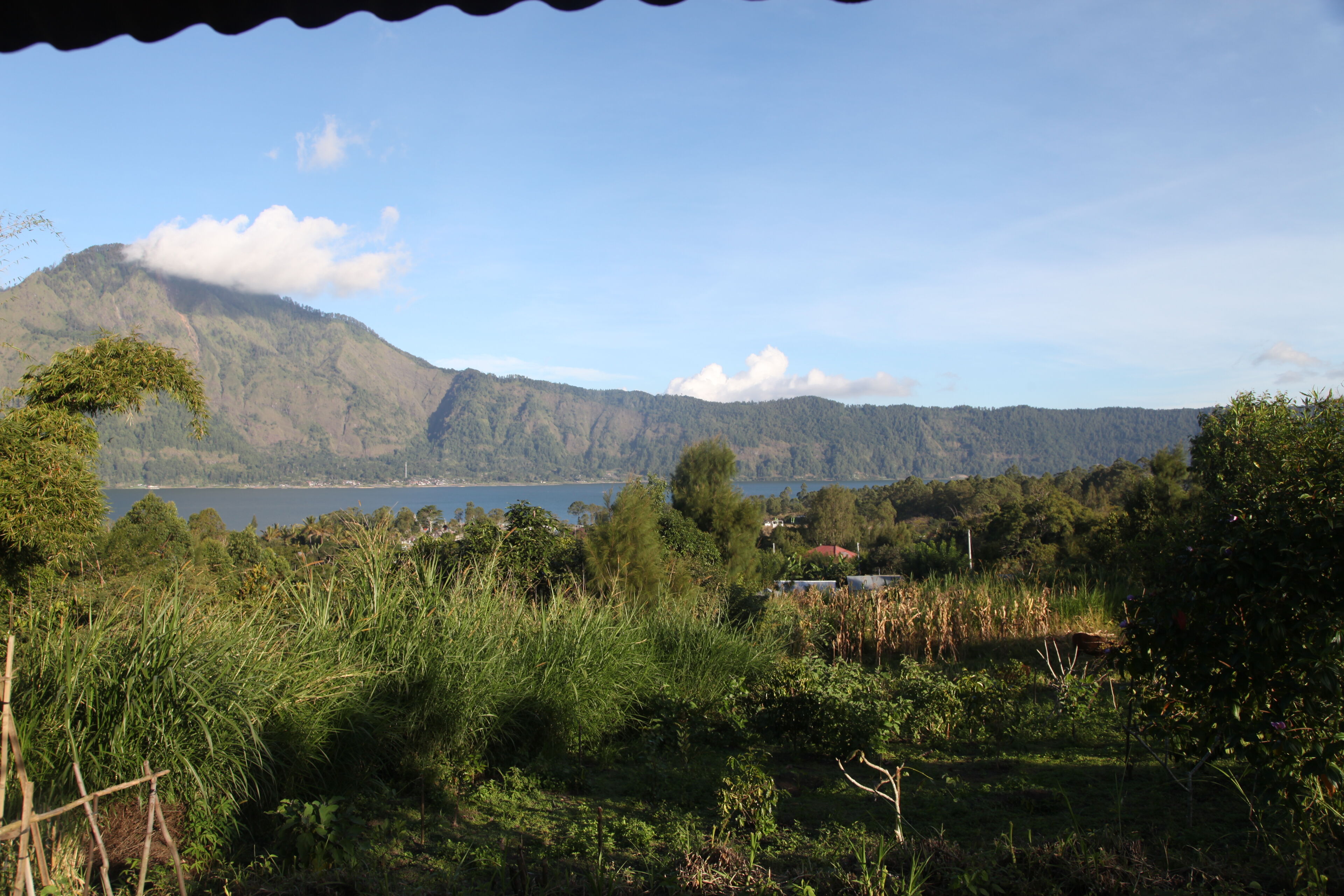
The Radiophare coffees take their name from the first radio antenna installed by the Dutch in Indonesia. It was located in the Sunda terroir, around Puntang and Bandung, one of the country’s earliest coffee-producing regions.
Discover all Klasik Beans coffees
Spot price
€/kg
Spot price
€/kg
Spot price
€/kg
Spot price
€/kg
Spot price
€/kg
Spot price
€/kg
Spot price
€/kg
Passing on the torch to prepare the next generation
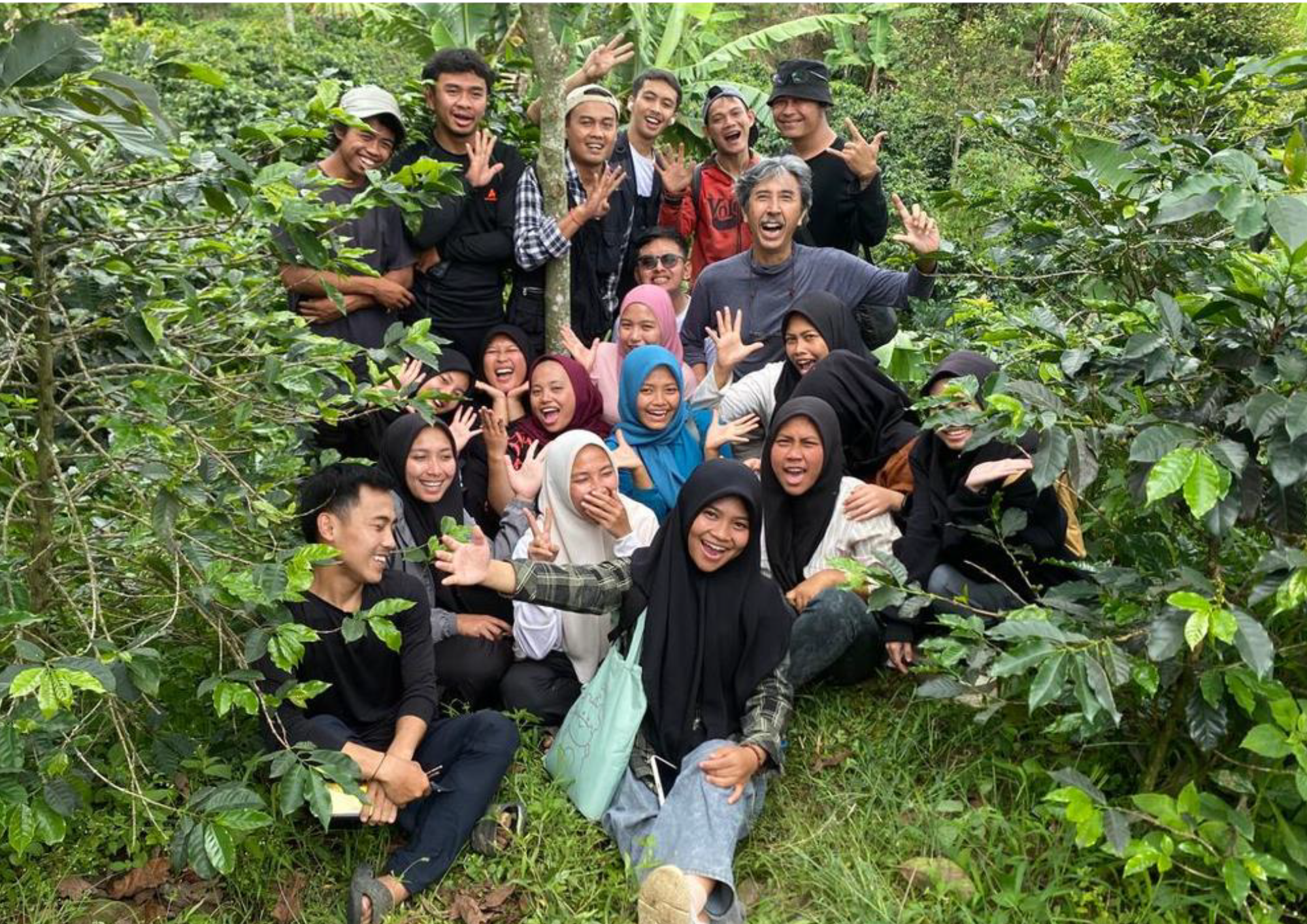
Preserving ecosystems alone is not enough to secure the future of coffee farming. For Eko, passing knowledge on to the next generation is just as essential.
The coffee trees planted today will continue producing for many years to come, while farmers are getting older. This is the challenge that led to the creation of Siloka, the School of Environmental Sciences and Local Knowledge, founded in 2020 to help young people develop agricultural skills while preserving local knowledge and practices.
The curriculum covers conservation and reforestation, agroforestry, coffee farming practices, post-harvest techniques, coffee processing, barista skills and entrepreneurship. And most importantly, learning does not only happen in the classroom: much of it takes place directly in the field.
Siloka in figures
170
students already trained
50
new students in 2026
30
hectares managed by Siloka’s young farmers.
A coffee to support Siloka
To mark these 10 years of partnership, a special batch extends this story: the TAS Project , a semi-washed coffee produced in Java, in the Sunda region.
10 bags of this coffee are available at Belco and the money invested in their purchase is reinvested in the Siloka school, thus directly contributing to the continuation of the project and the training of the next generation.
And after 10 years, continue to learn from each other
For his first visit to France, Eko had the opportunity to meet the Belco teams, explore Bordeaux, and spend some time with us. It's another way to nurture this partnership, through the meetings and exchanges that also take place outside of the café.
A final word from Eko
Beyond these ten years of partnership, Eko also wants to highlight the role each of us can play through the choices we make and the way we consume. For him, supporting quality products also means supporting the people who produce them and the ecosystems they depend on.
Did you like this article? Share it with your community: