
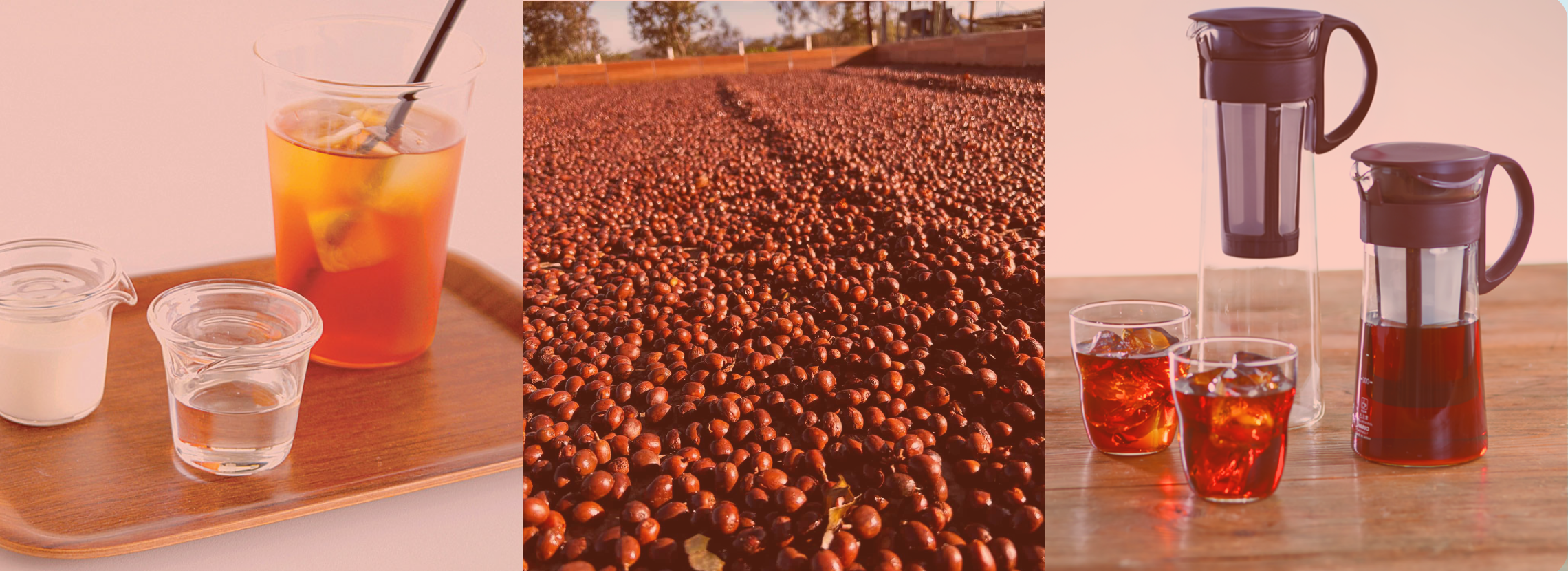
What Actually Makes a Coffee Great for Cold Brew?
Cold brew season has officially started — the perfect moment to take a deeper look at what actually makes a cold brew stand out beyond simply serving coffee over ice.
Not Every Coffee Works as Cold Brew
Cold brew can completely transform a coffee. Some coffees suddenly become sweeter, cleaner and incredibly refreshing when extracted cold. Others explode with tropical fruit, florals or deep chocolate notes that barely appeared when served hot. And then there are coffees that simply collapse: flat body, muted acidity, bitter finish, almost no complexity left.
That’s why choosing the right coffee matters far more for cold brew than many people think. Processing, roast development, density, solubility and even the structure of acidity can behave completely differently in cold extraction compared to hot brewing.
At Belco, we spent the last weeks tasting different profiles from the new arrivals and comparing how they behave as cold brew. Some washed coffees became surprisingly tea-like and vibrant, while certain naturals developed heavy syrupy textures with rum-like sweetness and intense fruit depth. Other profiles that worked beautifully as espresso suddenly felt hollow or overly woody once brewed cold.
One thing became very clear:
cold brew is no longer just a seasonal extra or a simple iced alternative.
For many cafés and roasteries, it is becoming a signature category of its own — a completely different way to showcase origin character, texture and sweetness during the warmer months. The coffees that truly work as cold brew often reveal an entirely new side of themselves.
Did you know ?
Cold brew coffee actually dates back centuries. One of the earliest versions is believed to have been created in Japan in the 1600s, inspired by Dutch traders who brewed coffee cold to prepare it safely during long sea voyages.
Today, cold brew has become popular worldwide because of its naturally smooth, less acidic taste and refreshing character. The long extraction process creates a sweeter, softer cup — making it especially popular during warmer months and among people sensitive to acidity.

Discover all our Cold Brew Coffees
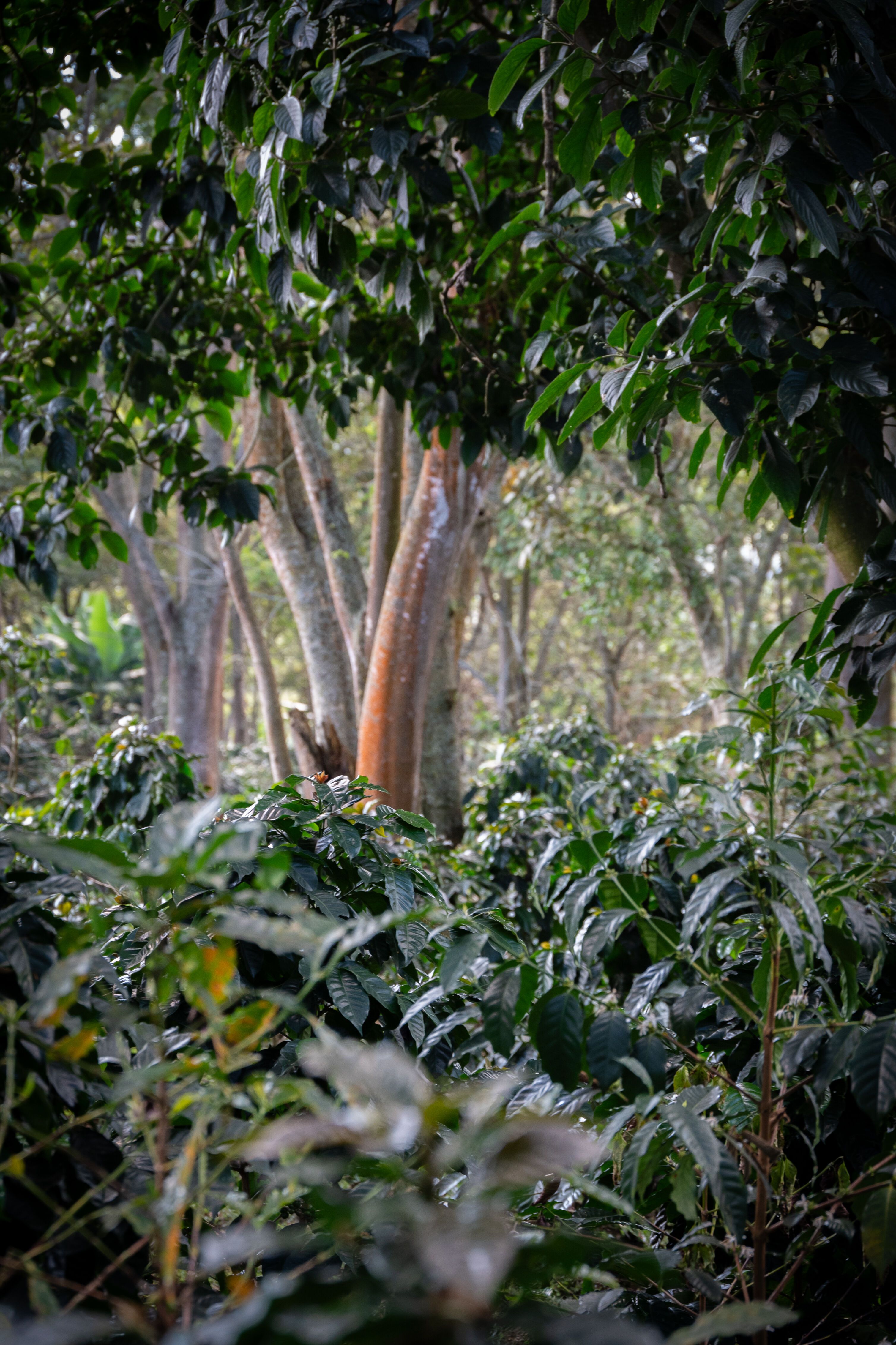
Colombia - Aratoca - La Pradera - Wush wush - Honey - Bio by Sail
La Pradera is floral, elegant and complex with layered tropical sweetness in cold extraction.
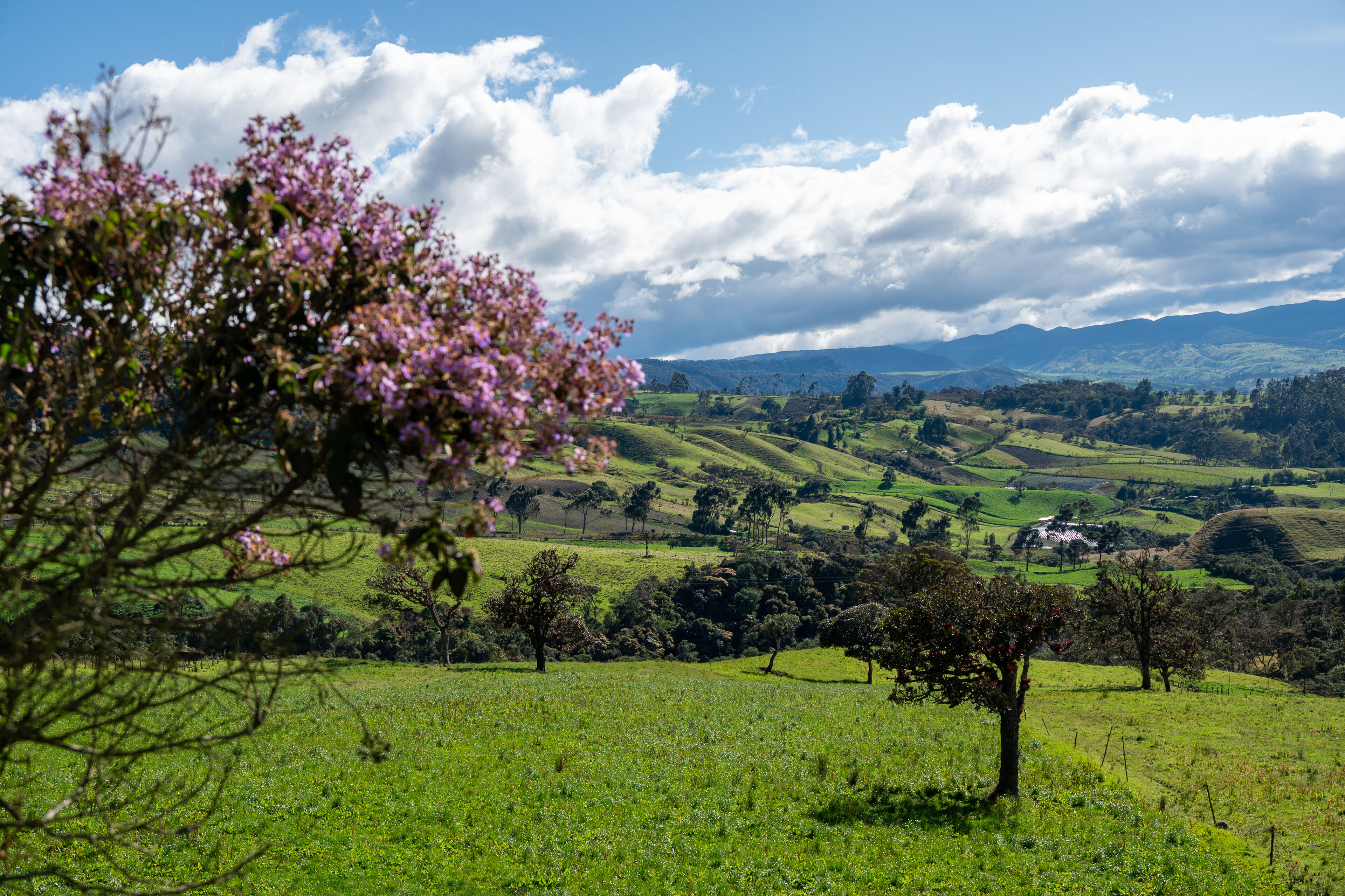
Colombia - Cauca - Inza - Yaquiva by OyO - Washed - FCCO by Sail
Yaquiva is clean, balanced and versatile with crisp sweetness and broad customer appeal.
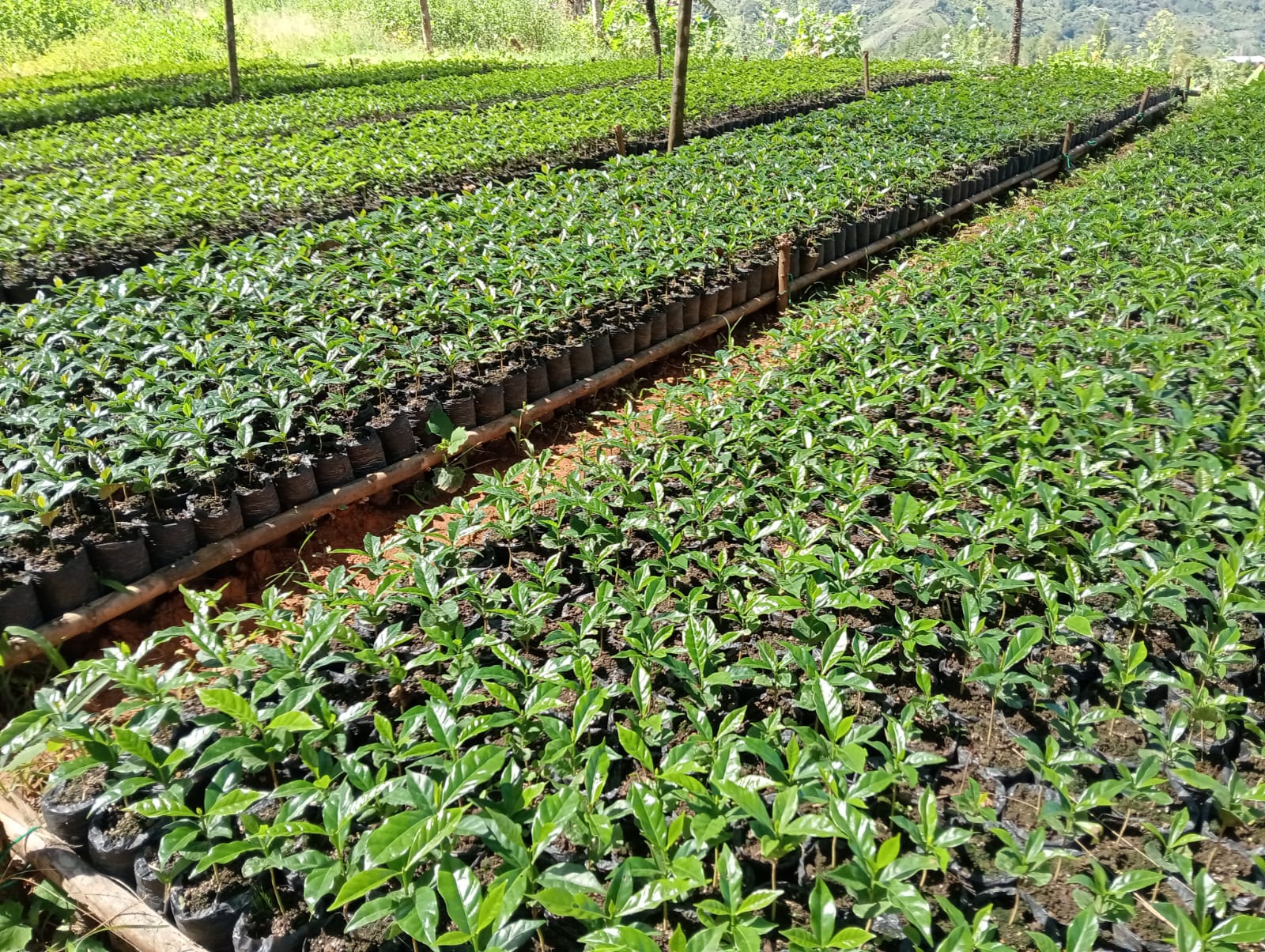
Colombia - Tambo - El Porvenir - Pink bourbon - Washed - FCCO by Sail
El Porvenir is fresh, delicate and tea-like — ideal for lighter and refreshing cold brew styles.
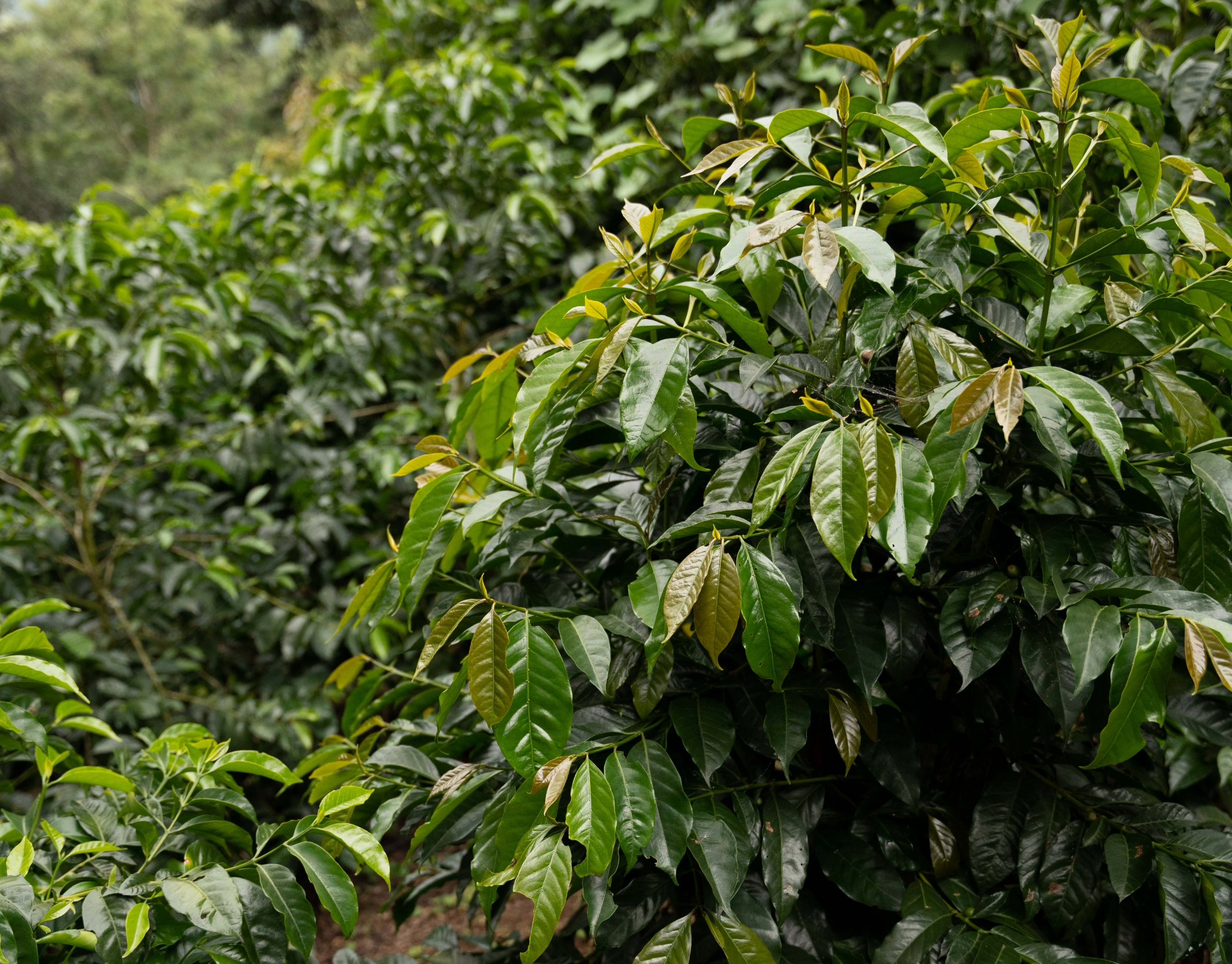
Guatemala - Antigua - Finca Gascon - Caturra - Lactic Natural
Finca Gascon is creamy texture and vibrant fruit notes make this coffee especially expressive on ice.
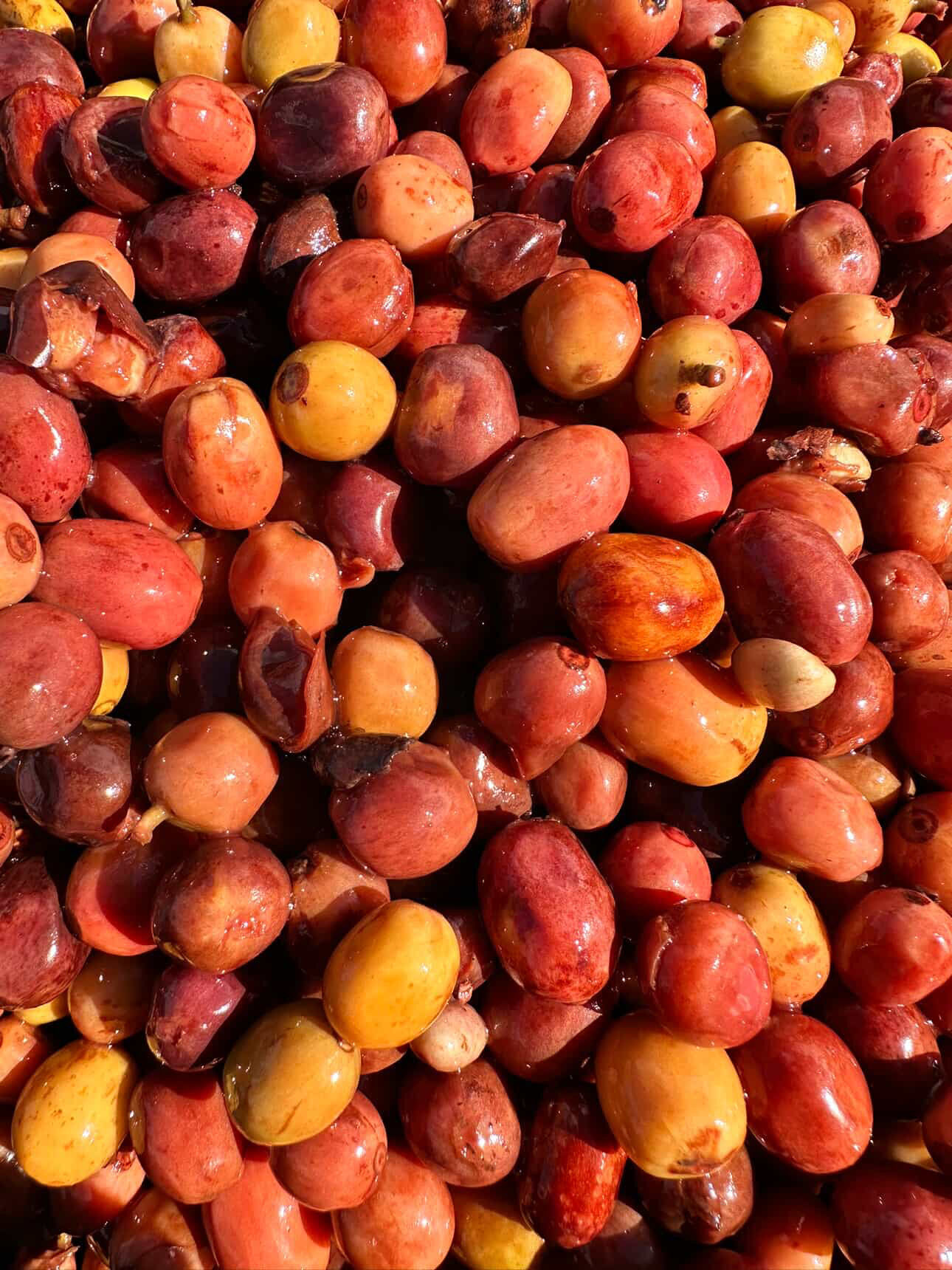
Honduras - Bryan Bautista - 512H - Bourbon - Natural
Bryan Bautista’s 512H is smooth chocolate sweetness and ripe fruit create an easy-drinking summer cold brew.
Why Cold Extraction Changes the Flavor
Cold water extracts coffee very differently than hot water — and that changes the entire sensory balance of the cup.
Because extraction happens more slowly and selectively, acidity tends to become softer, bitterness decreases and sweetness, body and texture often become far more dominant. At the same time, certain volatile aromatics are extracted less aggressively, which can create remarkably clean and smooth profiles.
But cold brew also exposes coffees differently. Defects, dryness, unstable fermentations or lack of structure can become much more noticeable once the brightness and intensity of hot extraction disappear.
That’s why processing methods, varietals, density and overall cup structure suddenly matter even more.
Naturals often become deeper, fruitier and more wine-like, developing notes reminiscent of rum, berries or tropical fruits. Washed coffees can turn highly refreshing and tea-like with exceptional clarity, while controlled fermentations sometimes create layered sweetness and complex aromatics that work exceptionally well over ice.
In many cases, cold brew doesn’t simply “cool down” a coffee — it reveals an entirely different expression of it.
Did you know ?
Cold extraction changes the chemistry of coffee completely. Because cold water extracts acids, oils and aromatic compounds differently than hot water, the exact same coffee can taste almost like a different product when brewed as cold brew.
That’s why some coffees suddenly reveal tropical fruit, rum-like sweetness or tea-like florals — while others lose structure and complexity entirely.

The Coffees That Surprised Us Most
One coffee that stood out immediately during cupping was:
Jaguarundi — Natural Organic (Colombia).
As a cold brew, it developed intense whiskey- and dark rum-like notes layered with sweet vanilla character, deep dried fruit sweetness and an almost syrupy texture. The longer it cooled, the more complex it became — moving from ripe red fruits into darker notes reminiscent of cacao nibs, molasses and macerated cherries.
What made Jaguarundi especially interesting as a cold brew was its balance between intensity and clarity. Despite its heavy body and boozy character, the cup stayed remarkably clean and structured. The natural processing brought out a rich sweetness without becoming overly fermenty, while the organic cultivation seemed to support a softer, more rounded mouthfeel.
It is the kind of coffee that almost challenges the idea of what cold brew can taste like: less refreshing “iced coffee,” more layered tasting experience with depth, texture and long-lasting sweetness.
Did you know ?
Jaguarundi is named after the wild jungle cat native to Latin America — and the coffee reflects that same character surprisingly well: subtle at first, then suddenly incredibly expressive in the cup.
What also makes it unique is the combination of organic natural processing from Huila and sail-powered transport through Belco’s FCCO program.
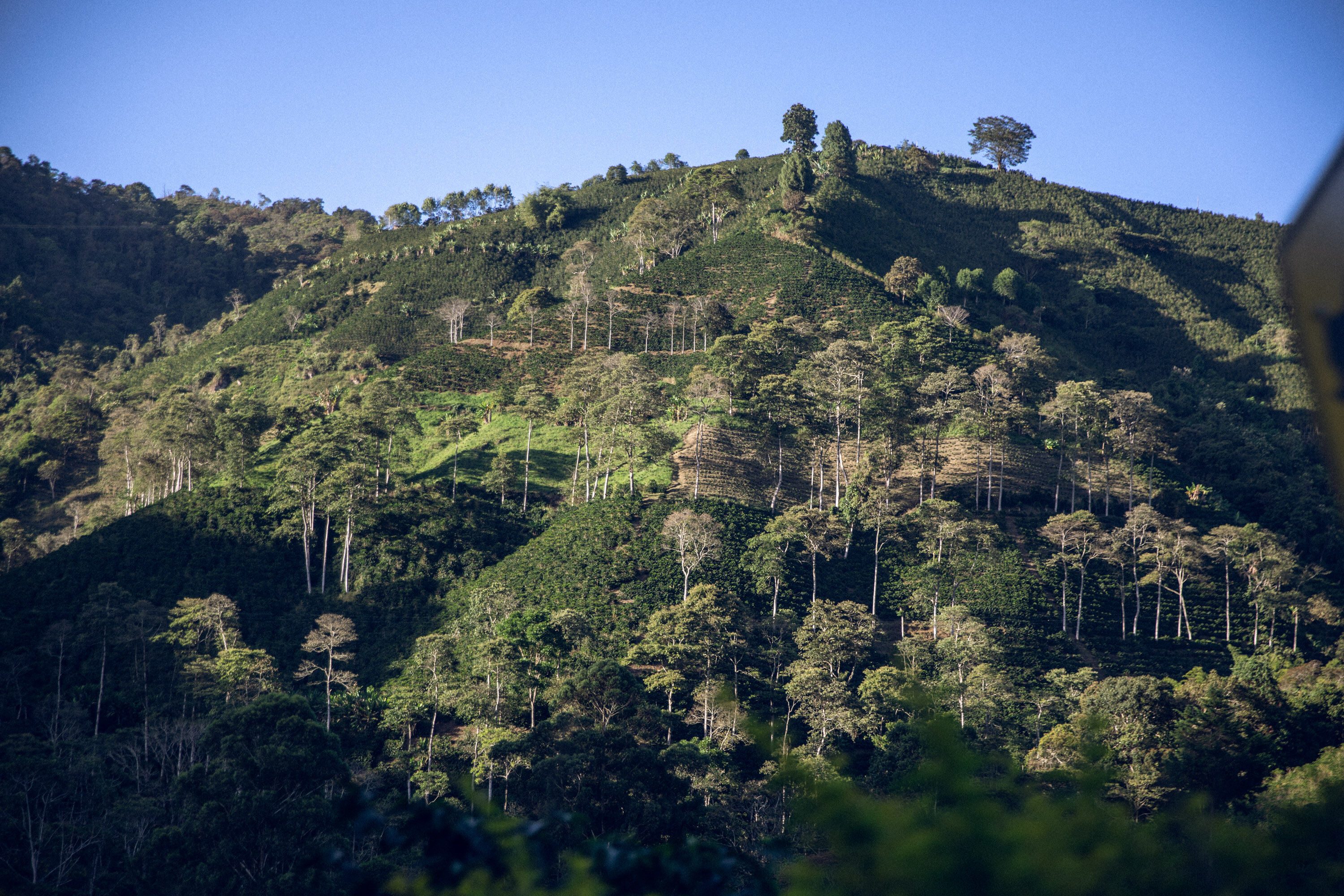
For a Jaguarundi Cold Brew we suggest using:
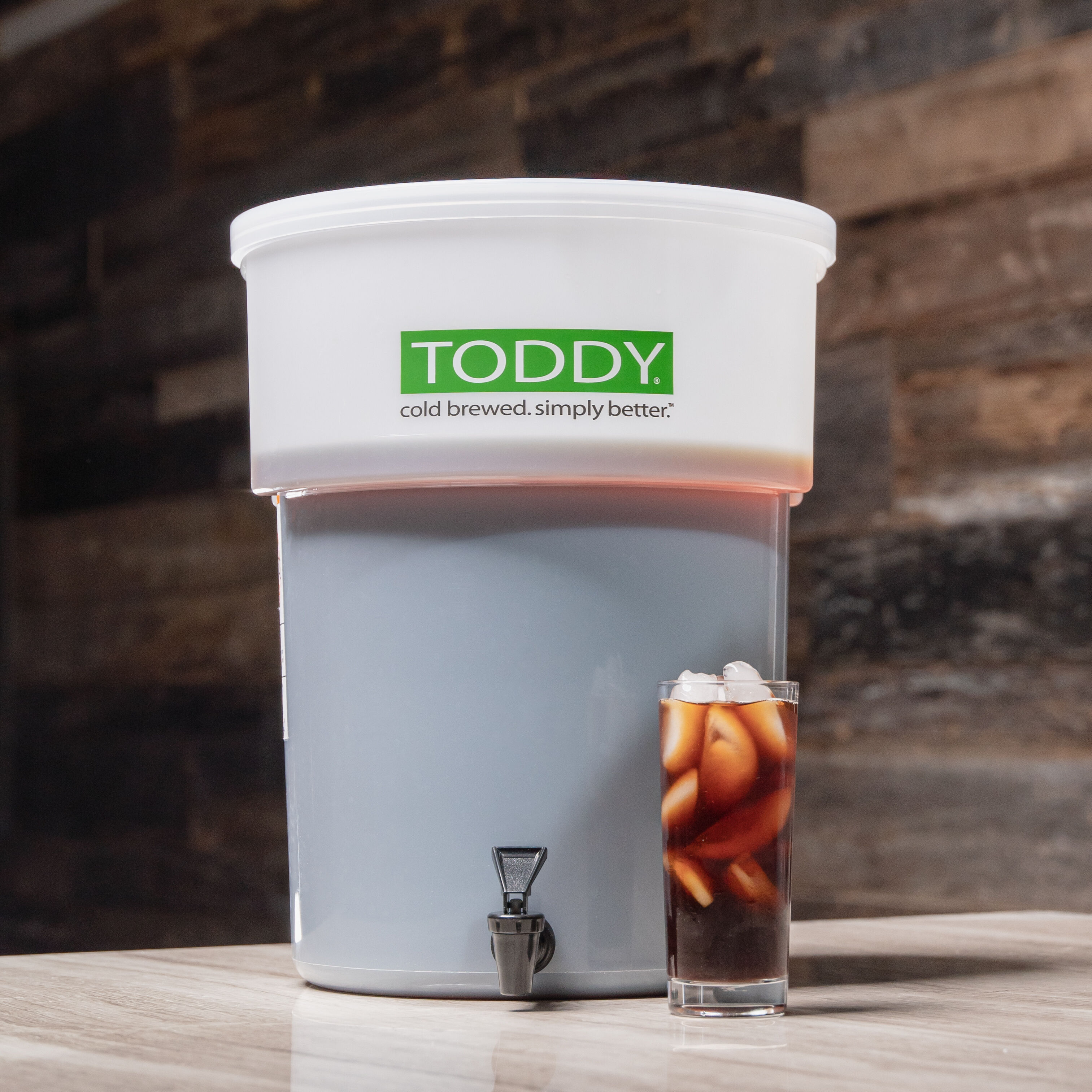
Toddy Cold Brew System creates a rounder body and highlights the deeper sweetness of natural coffees.
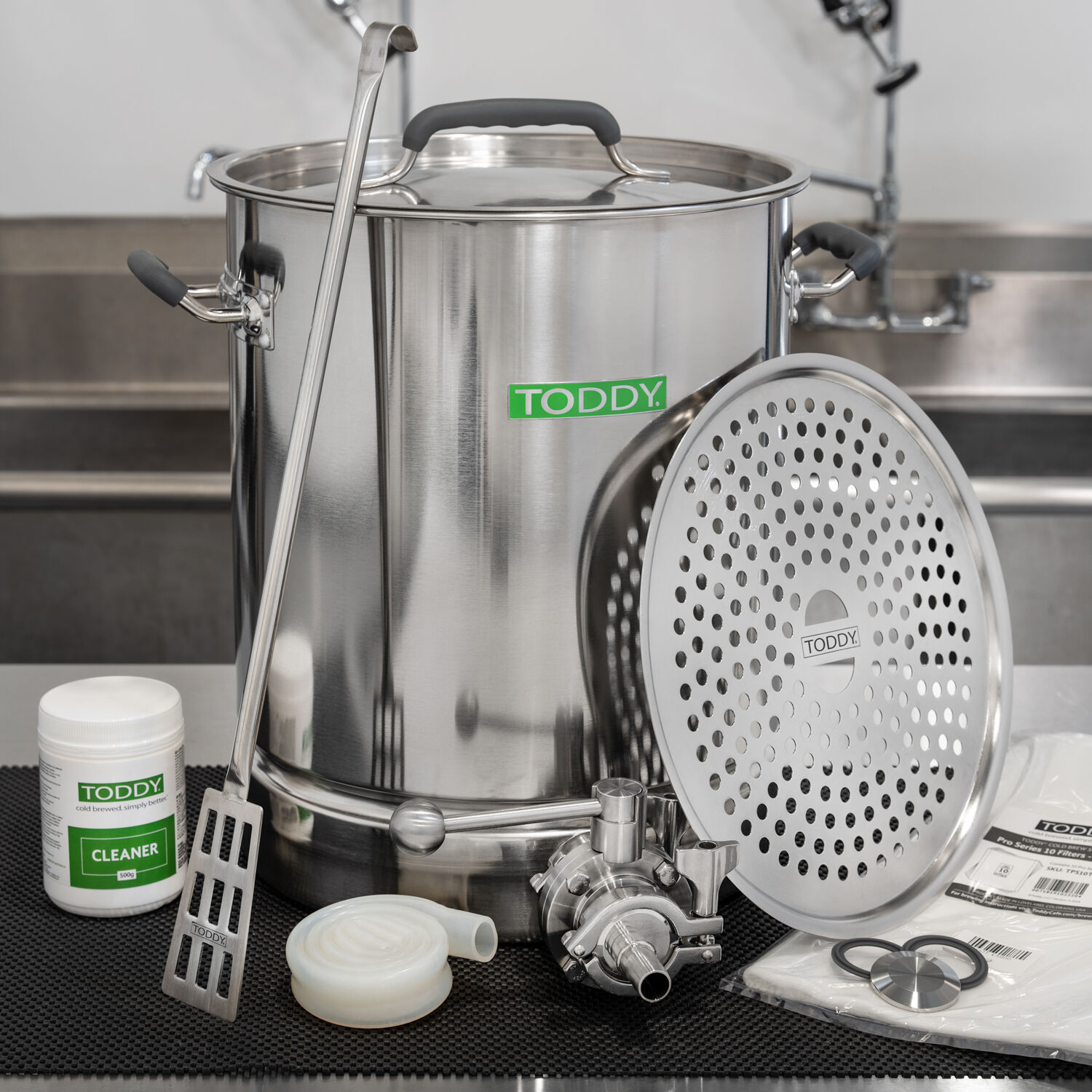
With Toddy’s PRO Series brewers, you can prepare large batches of cold brew (up to 40 liters).

“Jaguarundi starts tasting almost like whiskey or rum with vanilla flavors.”
Discover all our Cold Brew Coffees
Colombia - Aratoca - La Pradera - Wush wush - Honey - Bio by Sail
La Pradera is floral, elegant and complex with layered tropical sweetness in cold extraction.
Colombia - Cauca - Inza - Yaquiva by OyO - Washed - FCCO by Sail
Yaquiva is clean, balanced and versatile with crisp sweetness and broad customer appeal.
Colombia - Tambo - El Porvenir - Pink bourbon - Washed - FCCO by Sail
El Porvenir is fresh, delicate and tea-like — ideal for lighter and refreshing cold brew styles.
Guatemala - Antigua - Finca Gascon - Caturra - Lactic Natural
Finca Gascon is creamy texture and vibrant fruit notes make this coffee especially expressive on ice.
Honduras - Bryan Bautista - 512H - Bourbon - Natural
Bryan Bautista’s 512H is smooth chocolate sweetness and ripe fruit create an easy-drinking summer cold brew.
The Equipment Also Changes the Result
The brewing setup itself has a major impact on the final cup profile — often more than people initially expect.
A Hario Mizudashi, for example, usually produces cleaner and brighter cold brews with more clarity and defined acidity. The paper filtration and relatively short immersion often highlight floral notes and fruit complexity, making it especially interesting for delicate washed coffees or high-acidity profiles.
Toddy systems, on the other hand, tend to create heavier-bodied and rounder extractions with lower perceived acidity. The longer immersion and thicker filtration often push sweetness, chocolate notes and texture forward, which is why Toddy-style brewing became particularly popular in cafés and larger batch production.
Grind size, extraction time, water mineral content and brew ratio also influence the final result dramatically. Even small changes in extraction time can shift a cold brew from juicy and refreshing into woody or over-extracted territory.
And surprisingly, the serving experience itself matters as well. Glassware, dilution, ice quality and serving temperature all shape how sweetness, aroma and texture are perceived during summer service. A cold brew served over large clear ice cubes in a wine glass can feel completely different from the same coffee served straight from a takeaway cup.
Cold brew has evolved far beyond “iced coffee.”
For many cafés, it is becoming part of the seasonal identity of the menu itself — offering roasters and baristas a completely different way to showcase texture, sweetness and origin character.
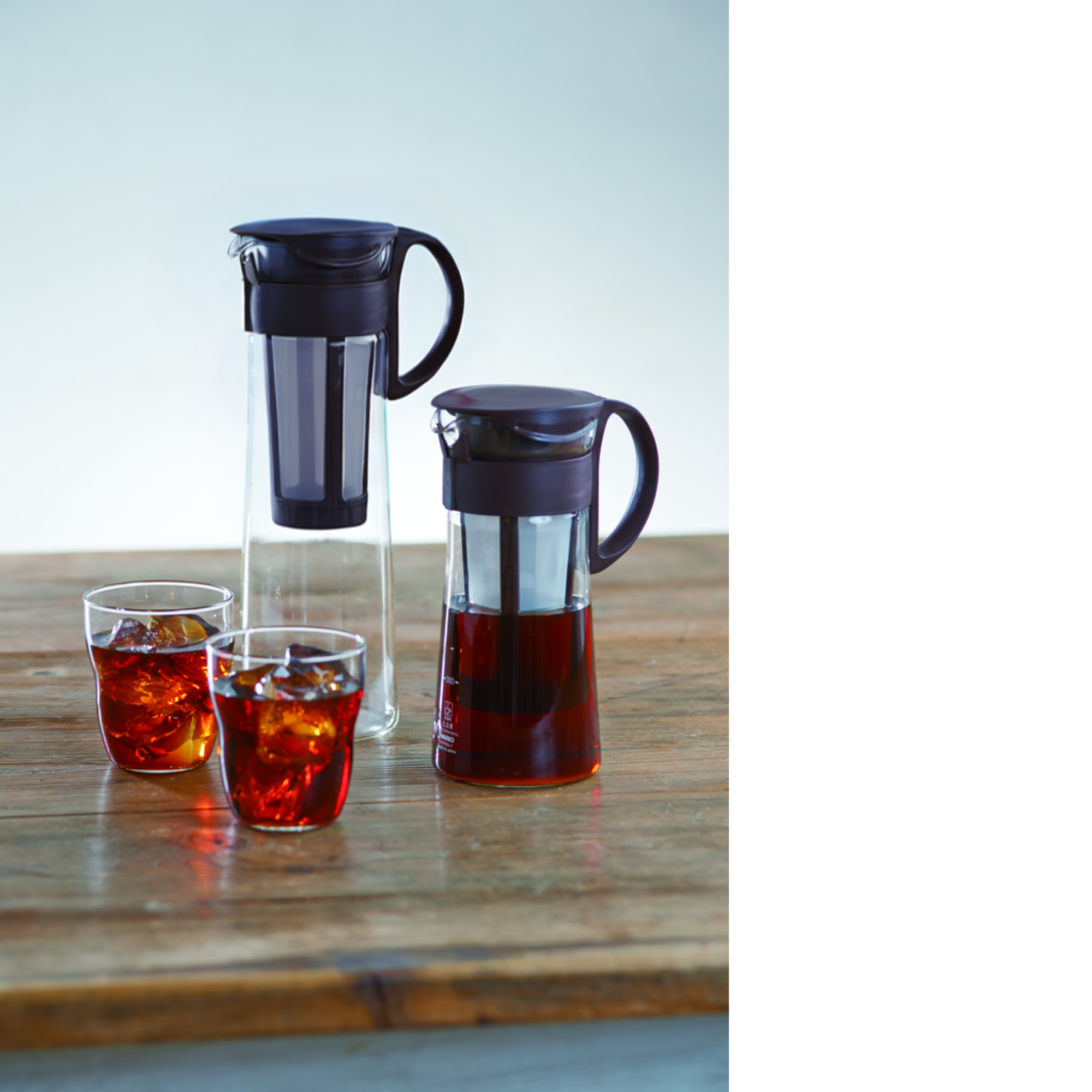
Discover our Cold Brew Equipment Selection

A simple classic for clean, refreshing cold brew during the summer season.
Smooth, low-acidity cold brew system in 10L with high consistency for cafés and small batch production.
Built for larger cold brew productions with up to 38 liters capacity.
Minimalist glasses designed for elegant iced coffee and cold brew service.
Did you like this article? Share it with your community: