
A journey to the origins of coffee in Ethiopia: what the land teaches us about coffee
Last January, Guadalupe traveled to Ethiopia with several roasters as part of a trip organized by Belco. For a week, she met with our partners, observed practices on the ground, and spoke with those who make coffee every day. Through her account, she shares a vision of Ethiopian coffee rooted in reality, extending far beyond the aromatic profiles found in the cup.
On the ground, a week at the heart of the origin
Ethiopia is not just a mythical origin on a map or a name associated with floral and citrus notes. It is a vast, contrasting, sometimes bewildering country where coffee is everywhere… but not always where you expect to find it.
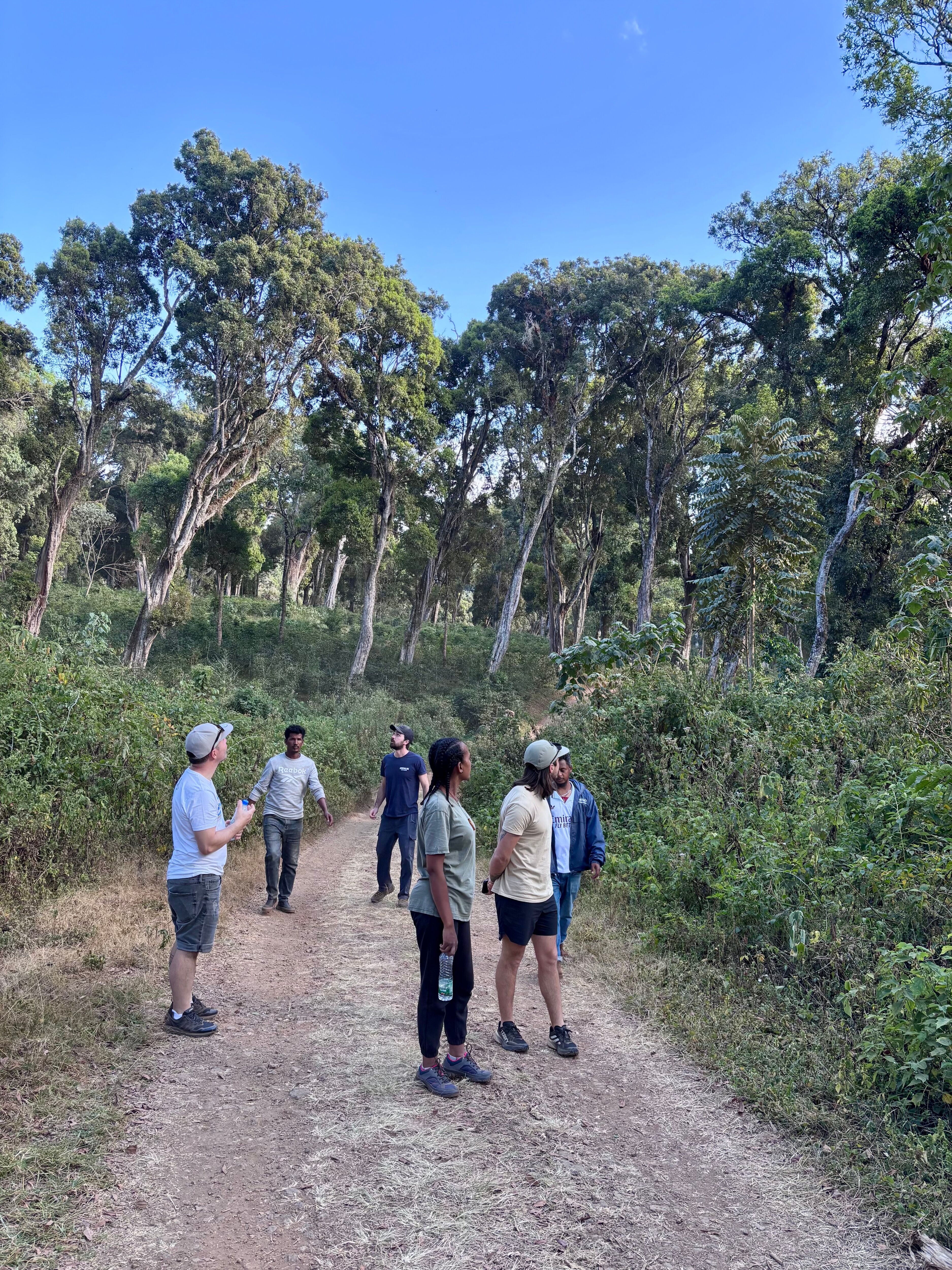
In January, I had the chance to spend a week there, between Yirgacheffe, Gedeb and Guji, to see with my own eyes what happens before the coffees arrive in our bags, and then in your cups.
The reality is far more complex, human and exciting than what the technical specifications tell us.
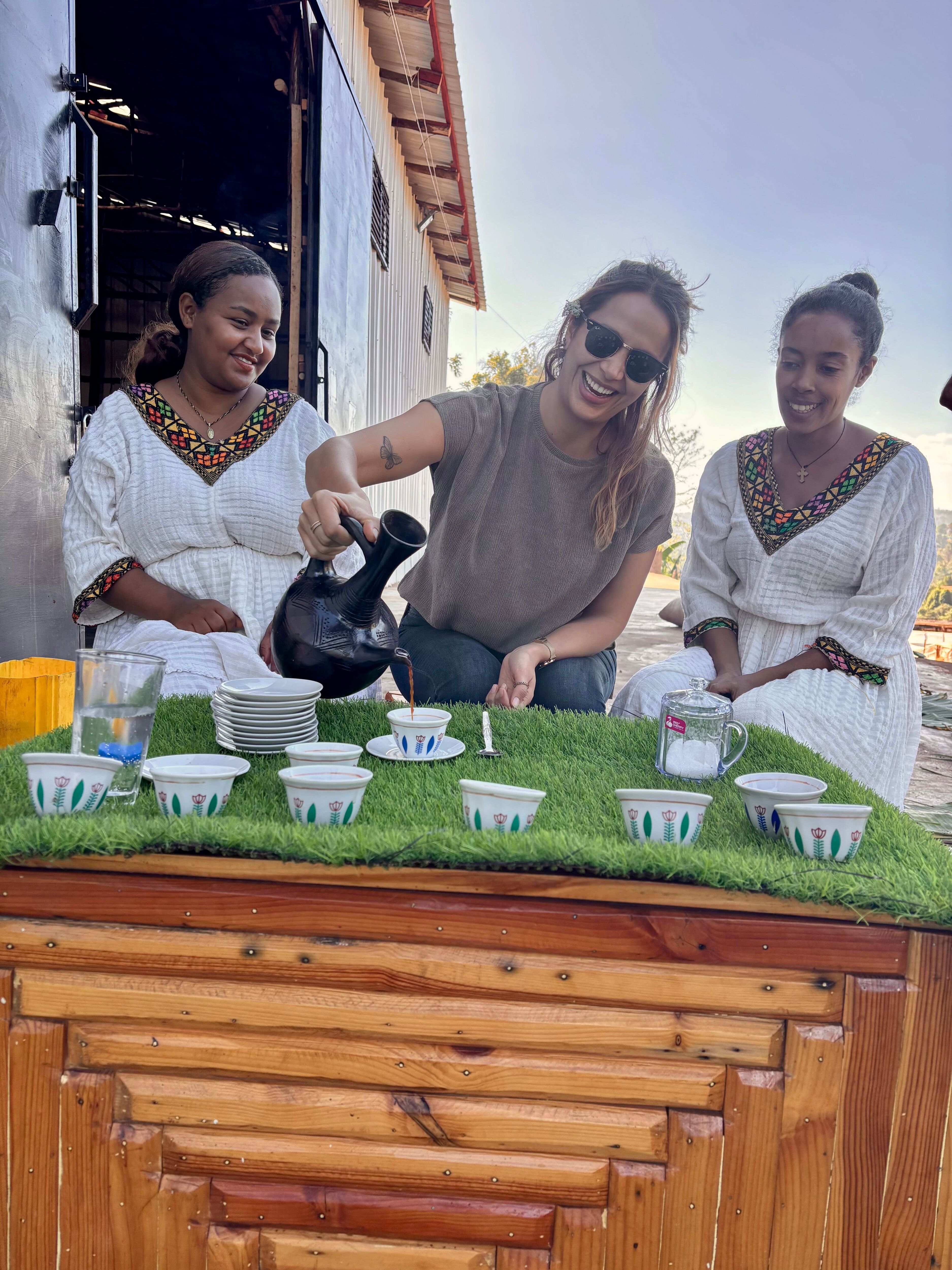
Guadalupe Vasquez Orozco, Account Manager at Belco, during her trip to Ethiopia.
Coffee in Ethiopia: between heritage and constraints
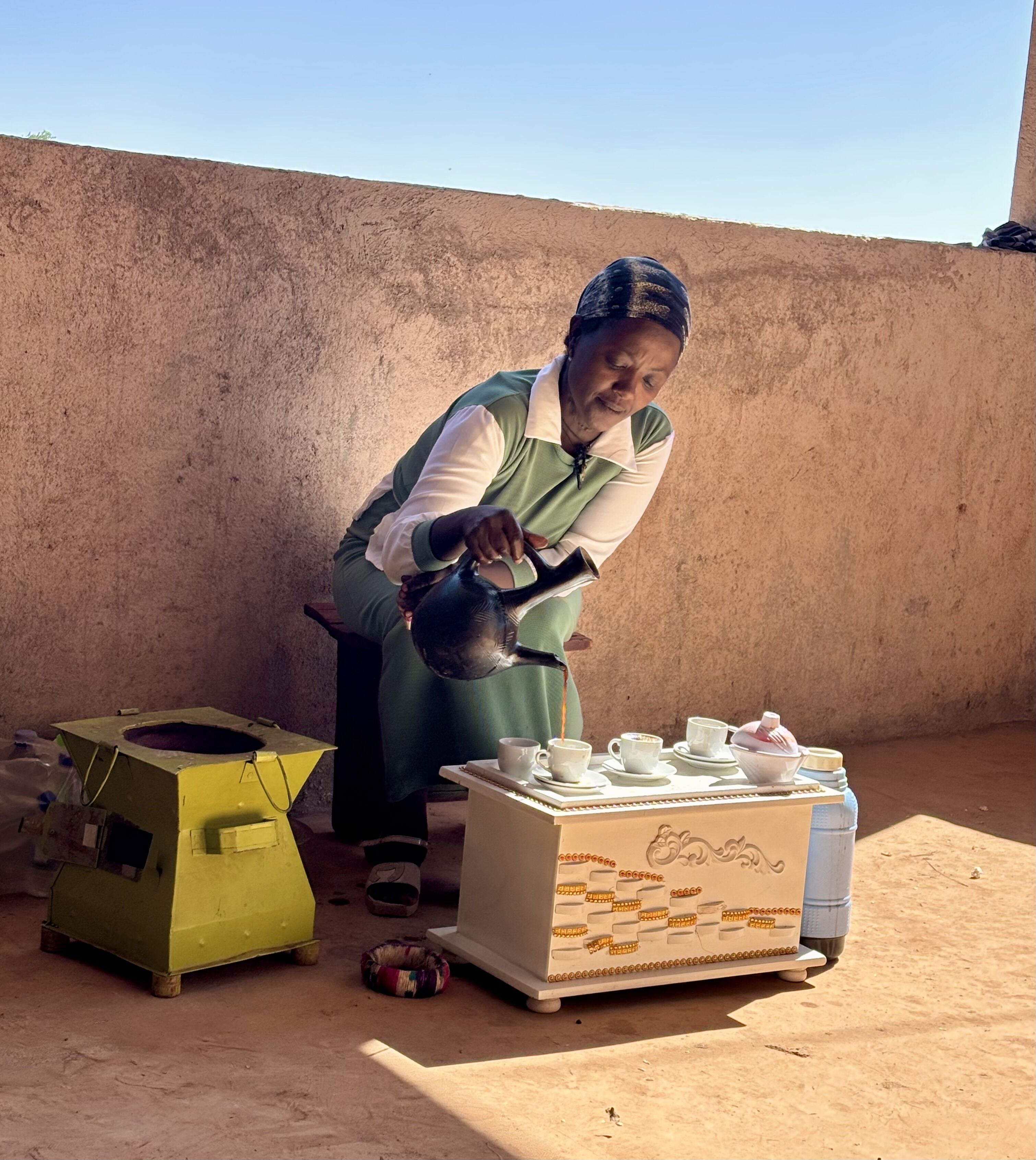
In Ethiopia, coffee is part of everyday life. It's drunk during rituals, shared, and celebrated. And yet, paradoxically, the country's best coffee is almost exclusively destined for export. Locally, the concept of specialty coffee remains marginal. Many producers are primarily focused on selling, generating foreign currency, in a market heavily regulated by the government.
Coffee is heavily regulated by the ECX (Ethiopian Commodity Exchange), which sets minimum prices and controls export sales. The result: little flexibility, a lot of pressure, and a market where volume often trumps quality. With over 400 registered exporters, competition is fierce… but very uneven.
It is in this context that a few players stand out as exceptions.
Women and men who are changing the rules of the game
Companies like Metad, DWD, and RAD Best, our current partners, chose specialty coffee from the outset. Not for convenience, but because they believe in it. These companies focus on traceability, quality, relationships with producers, and environmental impact, in a country where this model remains fragile.
METAD
DWD
RAD BEST
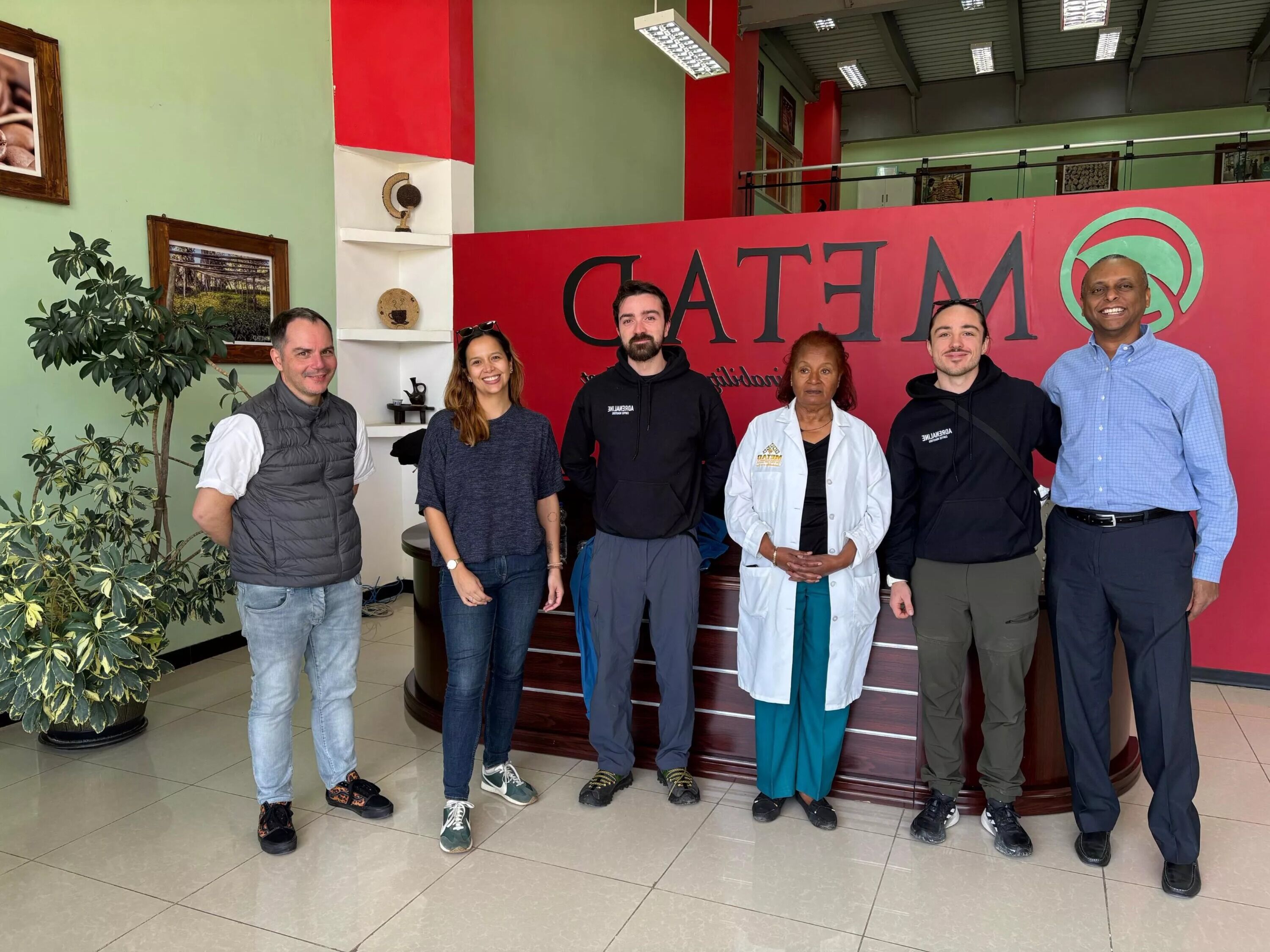
At Metad, for example, each batch is tracked at every stage. The coffee passes through several machines, each removing a specific type of defect, before a final manual selection. Nothing is left to chance.
Their work has greatly contributed to raising awareness of origins like Hambella on the international stage.
At DWD, a family business now driven by the new generation, the focus is on dedicated stations, single village, and a direct relationship with producers.
In Layo or Garse, the coffees dry slowly on African beds, sometimes for more than three weeks, under shade, with constant attention.
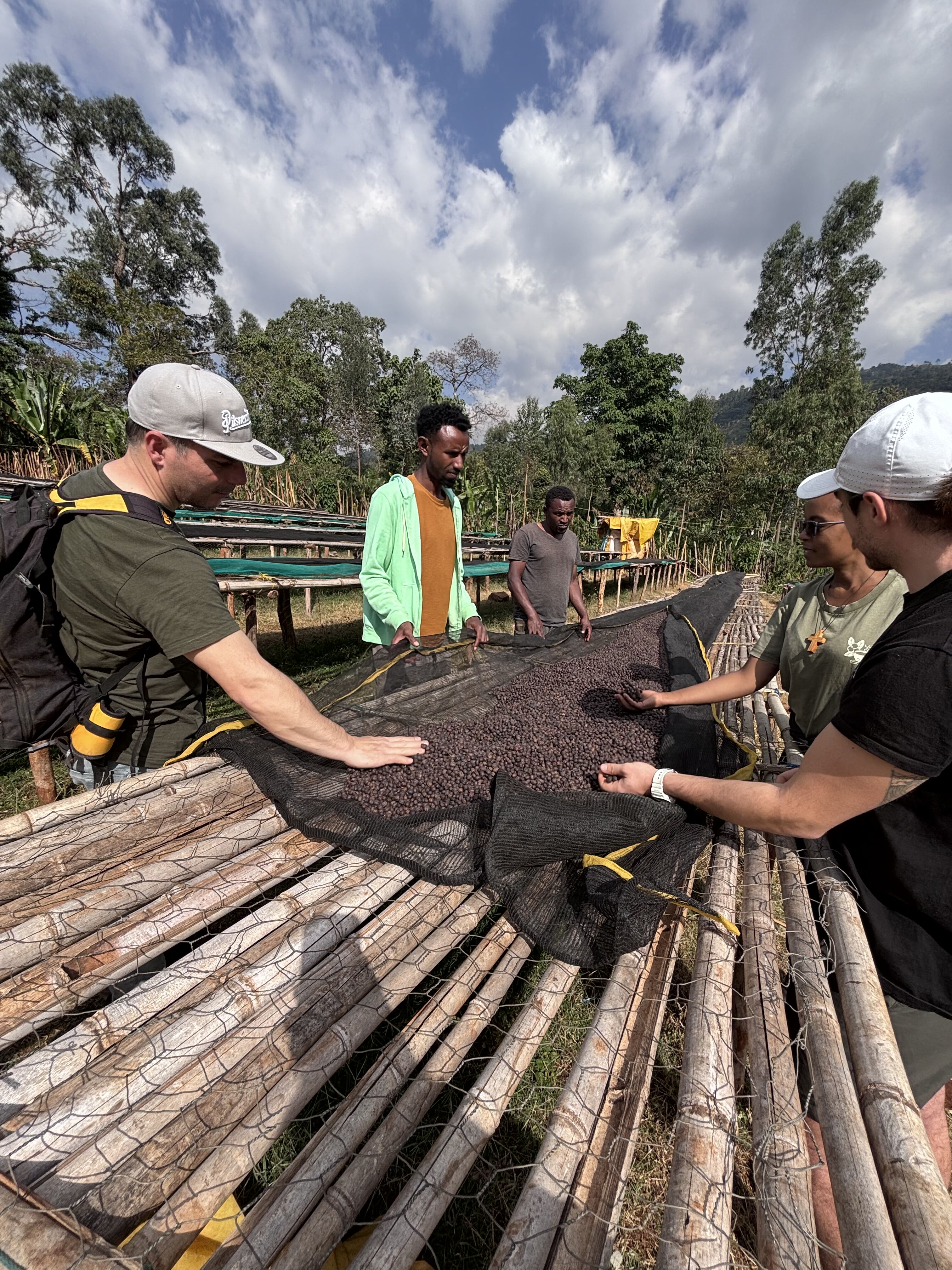
RAD Best, more recent on the export scene, impresses with its on-the-ground commitment: training for producers, premium prices for cherries, rigorous quality monitoring, all in areas that are sometimes very difficult to access.
A café in full transformation
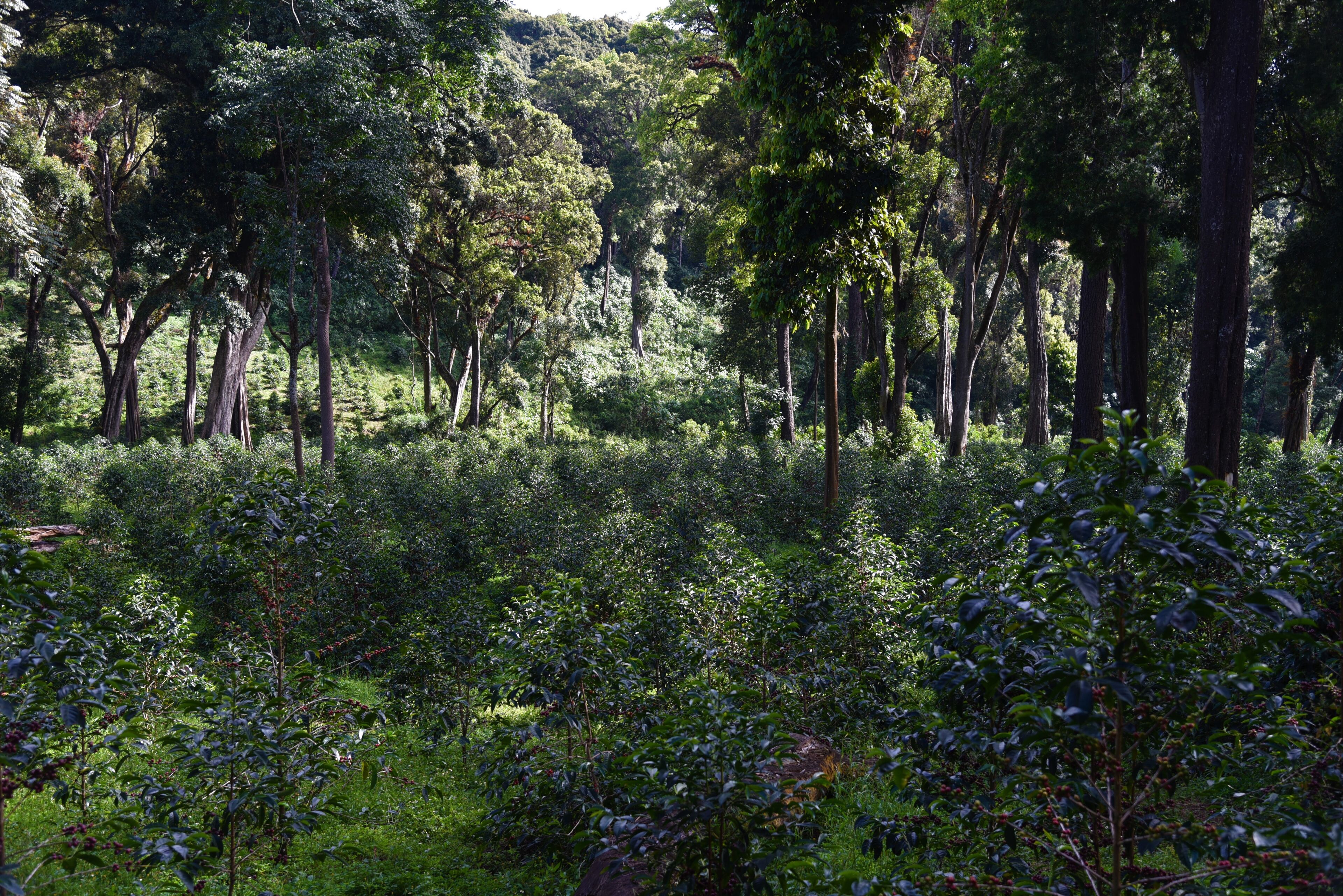
One of the key takeaways from this trip is how quickly practices are changing. This year, cherry prices have skyrocketed, sometimes increasing by as much as 300% compared to last year. Add to that a chronic labor shortage and the high cost of running washing facilities, and you have a clear shift: more and more producers are turning to natural processing methods.
Less expensive and less dependent on water and labor, natural products are becoming both an economical solution and a choice of aromatic profile. At the same time, some stations are investing in machines like Penagos, which significantly reduce water consumption and simplify processes.
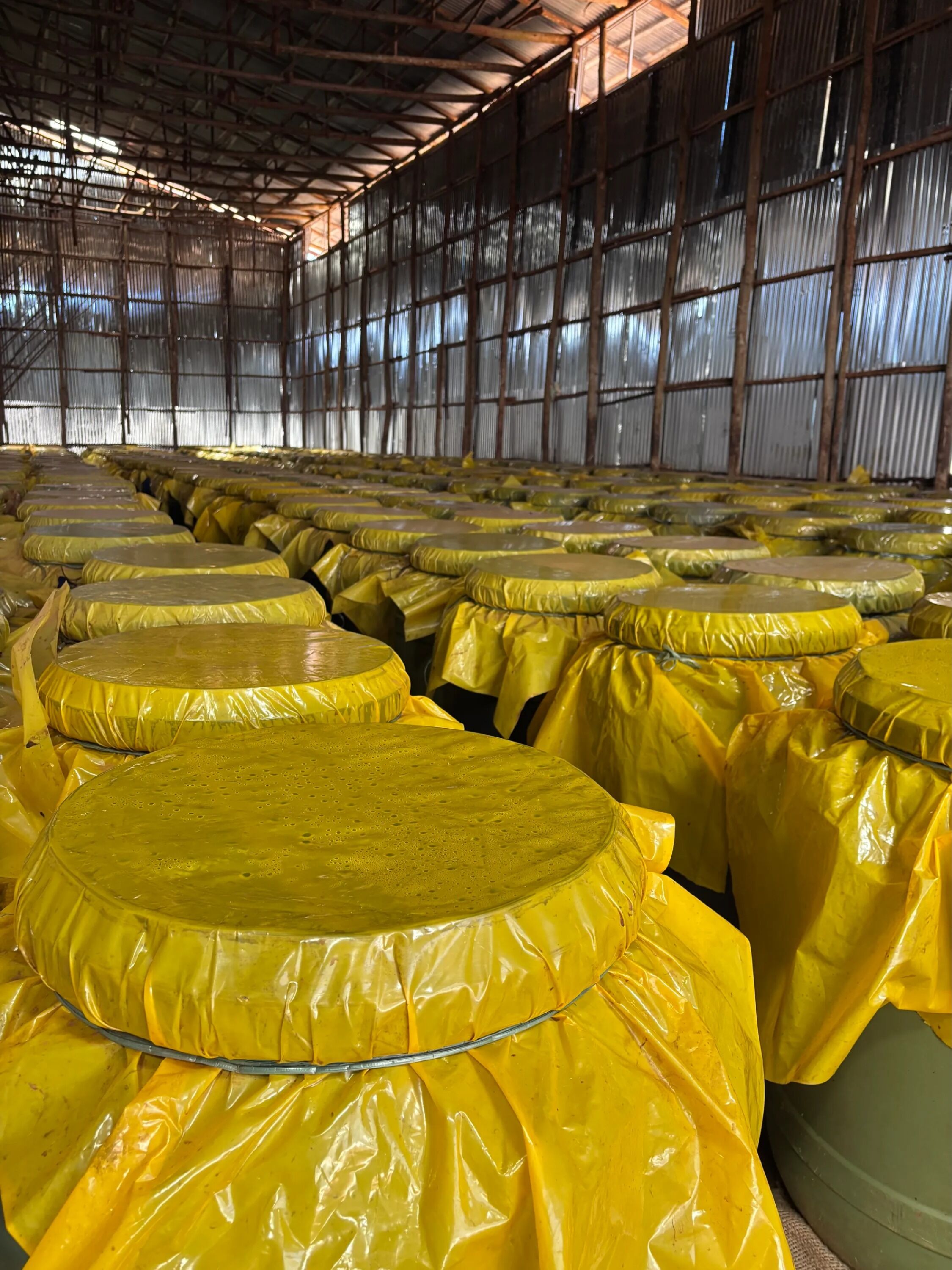
And then there's the experimentation. Anaerobic, honey, yeast-washed, co-fermentation. In the field, you can feel a real curiosity, but also debate. Some see it as an incredible opportunity to explore new profiles, others fear that these methods will alter the coffee's character. One thing is certain: Ethiopian coffee is evolving.
Behind the cafes, a human reality
Traveling in Ethiopia also means understanding that coffee production is never guaranteed. The lack of staff is a real issue. Some processing plants are temporarily closing due to a lack of workers. Others have to bring in workers from neighboring regions, which increases costs and complicates everything.
This year's harvest is also later, following a year of very high production. Volumes are lower, the pressure on quality is greater, and every decision counts. Nothing is automatic, nothing is guaranteed.
Behind every coffee shop, there are also teams on the ground, often working behind the scenes, who play a vital role. Day after day, they work with incredible energy and commitment to develop lasting relationships with producers, monitor the coffees at every stage, and guarantee consistent quality. Their presence on the ground ensures that everything runs smoothly, despite the constraints, unforeseen events, and complexities of the market. Without this patient, human, and sometimes invisible work, none of this would be possible.
Beyond coffee, Ethiopia leaves a lasting impression with the kindness of its people, their unique hospitality, and breathtaking landscapes. From verdant mountains to resorts nestled in the heart of valleys, every step of the journey reminds us how powerful, vibrant, and deeply captivating this country truly is. It is this combination of the hard work of the teams, the richness of the people, and the beauty of the places that makes Ethiopia a truly special, almost magical destination, and that gives even more meaning to every coffee produced there.
Why do journeys of origin really matter?
This kind of travel completely changes the way we talk about coffee. Prices are no longer just numbers, flavor profiles are no longer abstract, and purchasing decisions take on a new dimension. Understanding what happens on the farm, at the processing plant, and in export markets also allows us to better explain to customers why a coffee is the way it is and why it has a certain price.
For many roasters, the reality on the ground remains distant. Seeing, hearing, smelling, and exchanging with producers allows them to reconnect the product to its origin and give meaning back to each cup.
This trip to Ethiopia serves as a stark reminder: behind every coffee shop, there are choices, constraints, people, and a tremendous amount of hard work. Despite a complex and sometimes challenging market, some continue to believe in specialty coffee and strive to make it evolve, day after day.
And that's why we love this origin so much. Because it's alive, imperfect, in motion. Because it can never be reduced to a simple tasting note.
And above all, because everything starts there.
Amesegnalehu
Did you like this article? Share it with your community: