

→ Factory belonging to the Haers Group, where Airscape products are manufactured
Made in China: Inside the manufacturing process of your everyday gear, with Claire & Constance
Why this trip?
When we talk about coffee equipment, we tend to think about design, ergonomics, performance. Rarely about what happens behind the scenes: the raw materials, the machines, the gestures, the industrial choices, the people.
Yet understanding this part of the chain is essential to ensuring transparency, quality, and impact.
At Belco, this commitment has been part of our DNA for years: after getting to know coffee producers, it felt only natural to learn more about the people who make the equipment we distribute.
That’s precisely why Claire and I traveled to China, to the heart of Zhejiang province — a region that alone accounts for nearly 95% of the world’s drinkware production. Our goal: to meet four of our key partners, visit their factories, observe their practices, ask questions, and above all, see everything with our own eyes.
This trip left a deep impression on us. Because it challenges preconceived ideas, because it reveals a reality far more nuanced than the clichés, and because it shows just how much the making of a simple tumbler or a moka pot is a blend of technology, craftsmanship, and meticulous organization.
MIIR
Our immersion began at MiiR, a mission‑driven American brand and certified B Corp whose values strongly resonate with Belco’s.
For three days, we explored the workshops of two of their suppliers: Latim, an industrial partner for twelve years, and Shinetime, a newer and more automated facility. Latim employs 750 people, while Shinetime — spread across several sites — has nearly 1,900 employees. The production steps are broadly similar, but each supplier brings its own technological approach.
What stands out immediately is the precision of the process. A MiiR tumbler goes through thirty‑five steps before it reaches your hands.
- Everything begins with massive rolls of aluminum (90% recycled), which are cut and formed into tubes directly on-site — a step that used to be outsourced but is now fully mastered in-house. The pace is impressive, but the rigor is even more striking: each machine has its own operator, and every stage includes a dedicated quality check.
- The tubes are then shaped under high pressure, ionized to ensure perfect coating adhesion, and polished. It takes one full day to go from tube to final shape, and another day for finishing.
- Plastic components (lids, inserts) are injection‑molded in a dedicated workshop, then trimmed, assembled, and inspected.
- The most fascinating part is undoubtedly the sealing of the tumbler’s double wall. A small plastic bead is placed at the bottom of the inner wall. The two parts are then assembled and heated to 580 °C for six hours, until the bead melts and creates a perfectly airtight weld. This weld allows the air between the two walls to be removed, creating the essential vacuum responsible for thermal insulation. Without this vacuum, heat would transfer much more quickly — it’s what allows the tumbler to keep coffee hot for hours. It’s one of the most technical and decisive steps in the entire process.
- Only after this stage do the final touches come in: coating, laser engraving, UV printing, and decal application. Some glossy colors are achieved through immersion in PEI baths, a technical polymer that provides exceptional durability.
After witnessing all of this, it’s hard to look at your water bottle the same way again.


Airscape
In Yongkang, we met with Airscape, one of our long‑standing partners. Their factory is part of the Haers Group, founded in 1985 and now the global leader in drinkware.
The site we visited employs 1,500 people, while the group as a whole counts 6,000 employees across three factories. Everything here is designed to enable large‑scale production without compromising quality: 150 plastic‑injection machines, 500 engineers, 50% automation, and nearly two million products manufactured each year.
The more a production line requires human operators, the more expensive it becomes — which is why Haers invests heavily in automation. It stabilizes quality while keeping costs under control.
Teams work from 8:00 to 11:30, then from 12:30 to 18:00, with no Saturday shifts unless absolutely necessary. Louis, who represents Airscape in China, is on‑site every week, ensuring continuous oversight of operations and production conditions.
The manufacturing of an Airscape product is a perfectly orchestrated ballet: injection, shaping, smoothing, double polishing, painting, screen printing, assembly, and piece‑by‑piece quality control.
Injection scraps are recycled and used for non‑food‑grade products.
A single assembly line is dedicated exclusively to Airscape units, minimizing dust and ensuring impeccable consistency.
We also had the chance to choose the next exclusive Belco colors… 🤐


Grosche
Still in Yongkang, we stepped into a completely different world at Grosche. Here, the raw material is no longer stainless steel but aluminum — a more complex and physically demanding metal to work with. The factory has long specialized in aluminum, also producing pans and cookware, and the level of industrialization is noticeably lower than in drinkware production.
You enter a hotter, louder, dustier environment — the daily reality of a foundry and die‑casting workshop, far removed from an automated stainless‑steel line.
Yet this site is the global reference for aluminum moka pots: this is where the bodies of nearly all Bialetti coffee makers are produced, along with models for Grosche, Pedrini, Alessi, and other international brands. Their expertise is widely recognized, and the factory undergoes annual audits by multiple organizations and by the major brands themselves (ISO 9001, ISO 14001, BSCI…).
The work remains highly manual, with a strong craftsmanship component: shaping, smoothing, manual and mechanical polishing, shot‑blasting, base installation, assembly, and final inspection. Plastic components come from a specialized supplier, but everything else is done on‑site.
The teams are stable — many employees have been there for more than ten years — and the factory follows strict working hours (8 hours per day, 1‑hour lunch break), with no forced overtime.
Some constraints are inherent to aluminum work: wet floors in polishing rooms, heat, dust… but the factory provides appropriate PPE (non‑slip boots, goggles, protective gear).
Regular internal and external audits help identify areas for improvement, and corrective actions are effectively implemented.
The factory produces nearly twenty thousand pieces per day, each one inspected 100% from the first polishing stage to final assembly. It’s a demanding form of production, far from an automated line, where quality still depends heavily on human skill.


Timemore
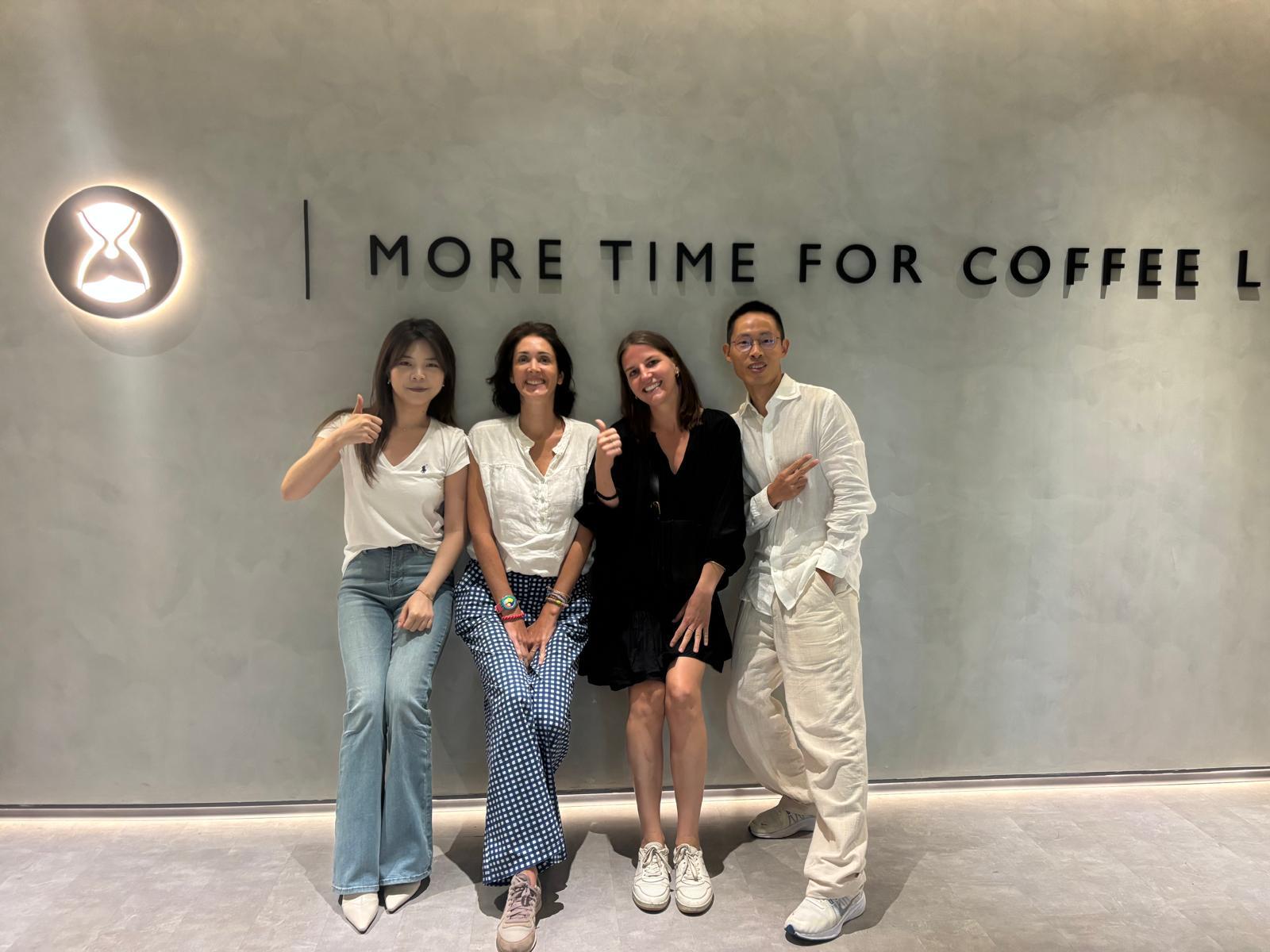
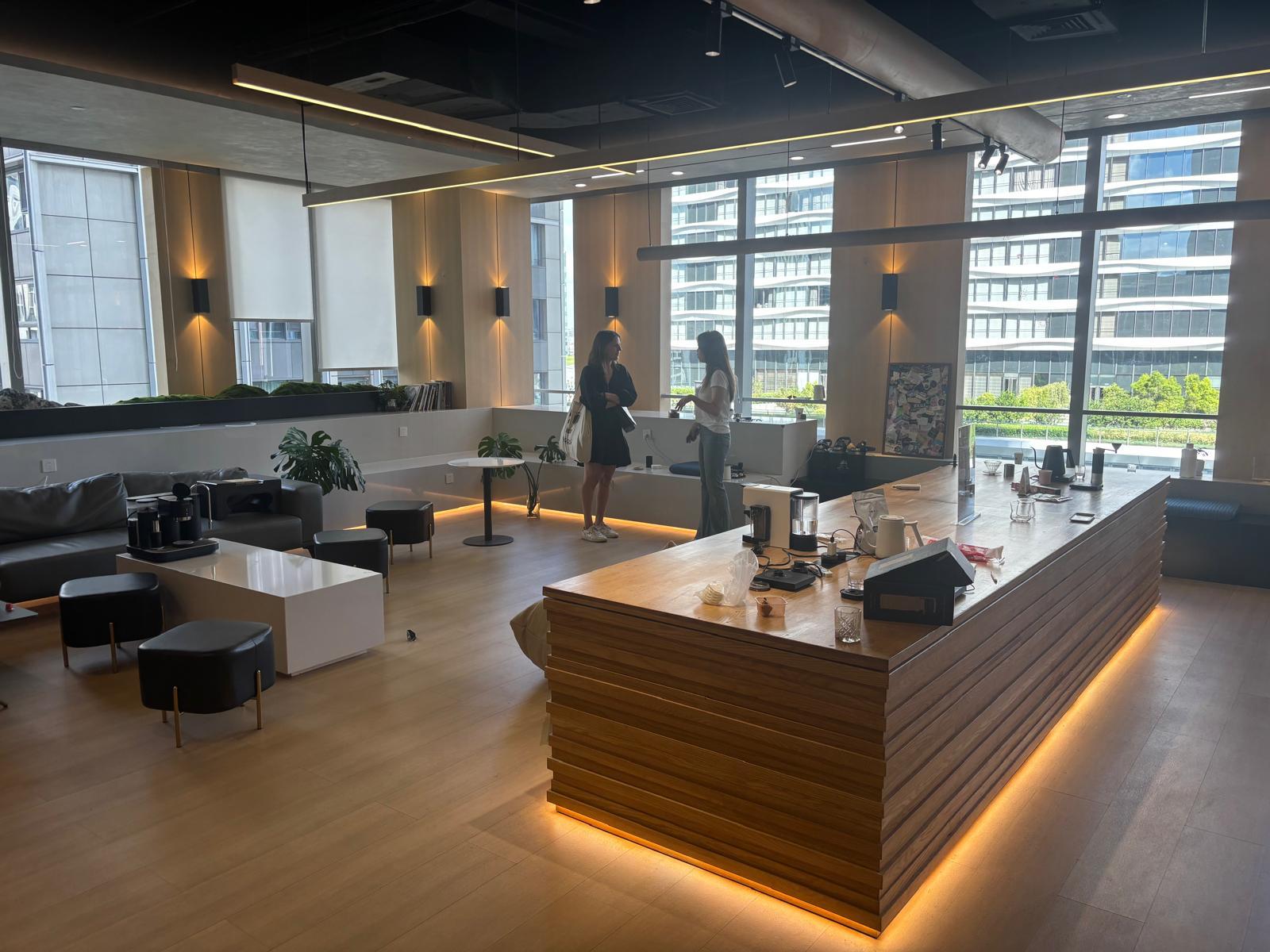
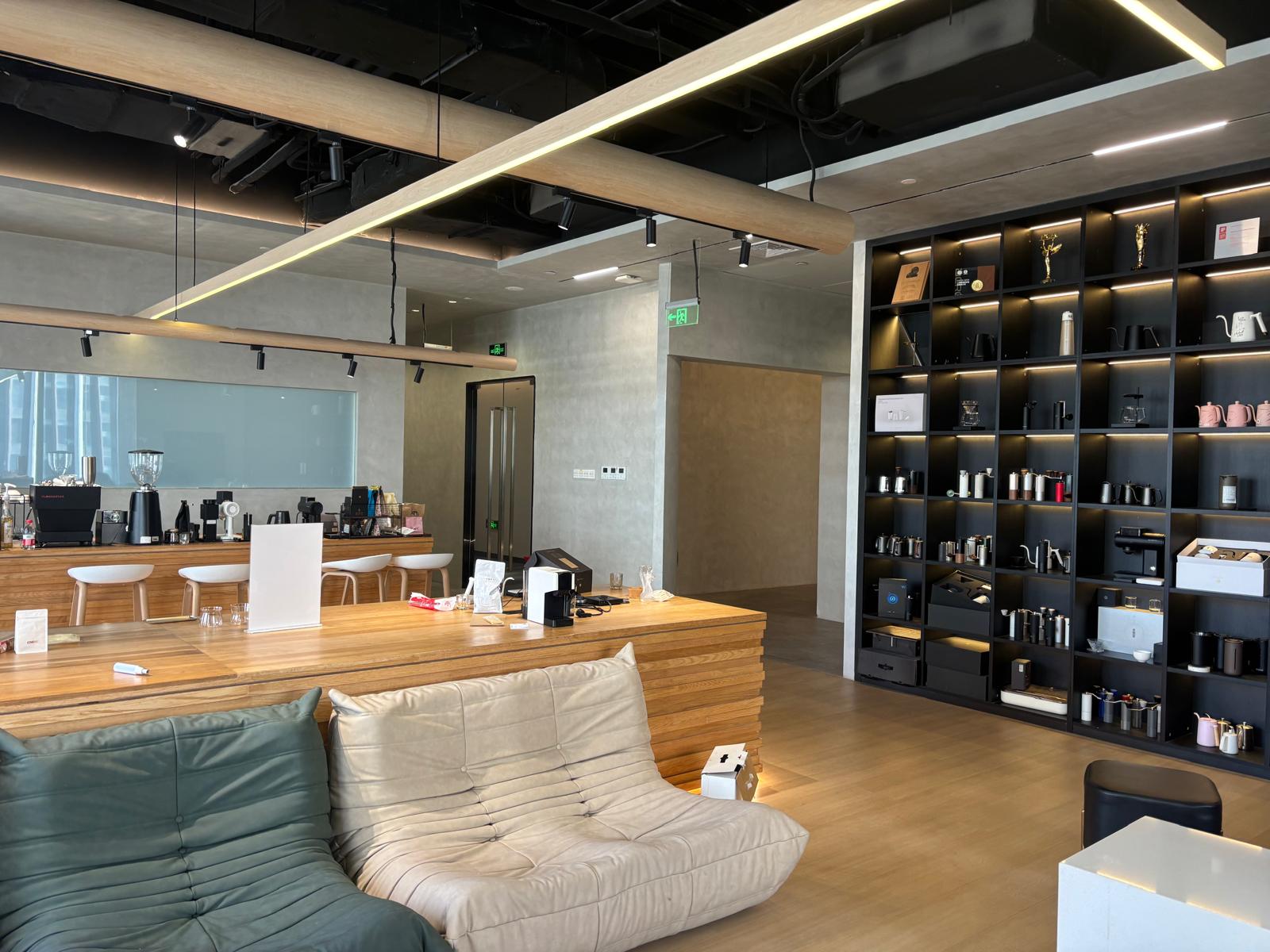
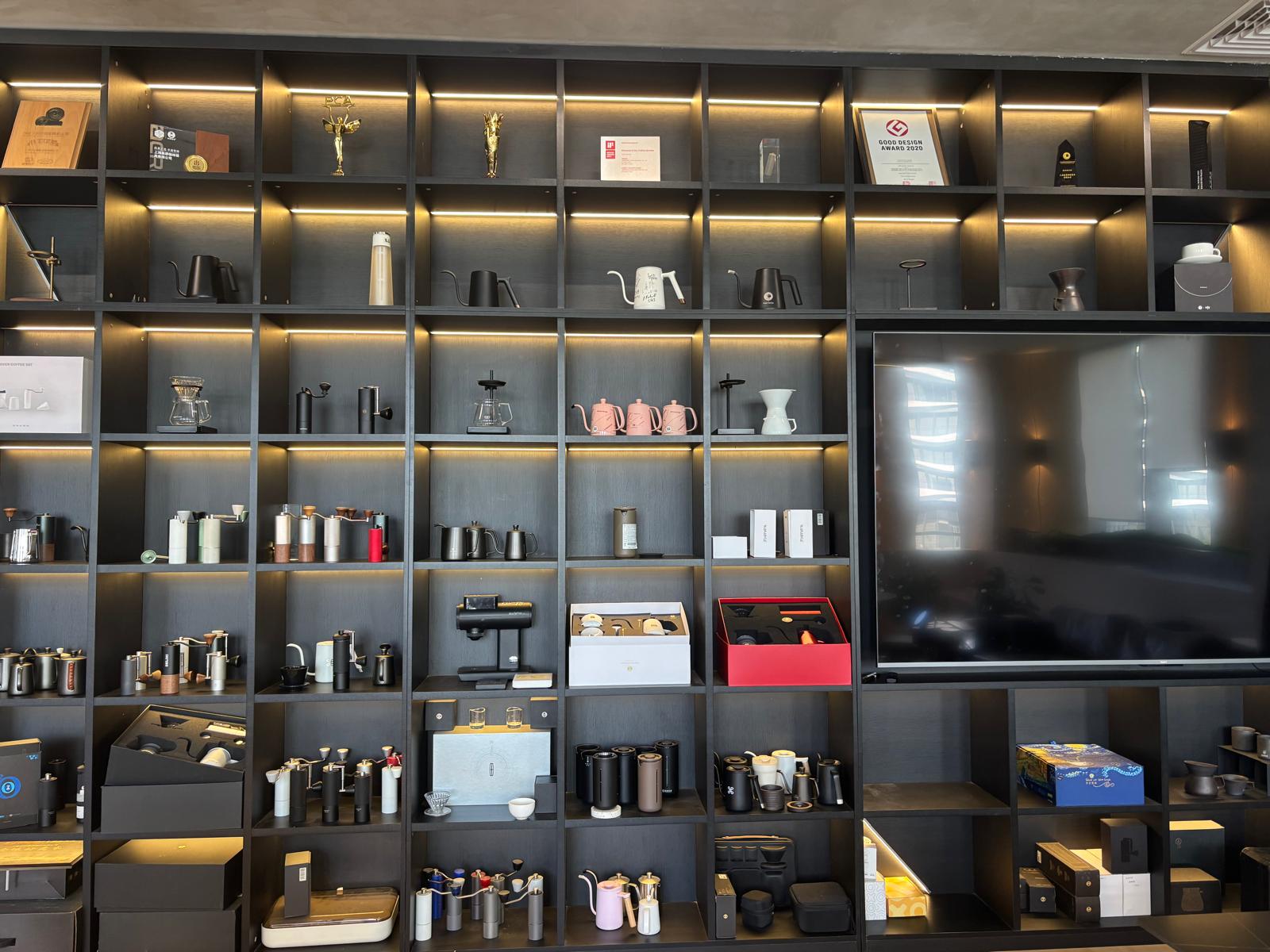
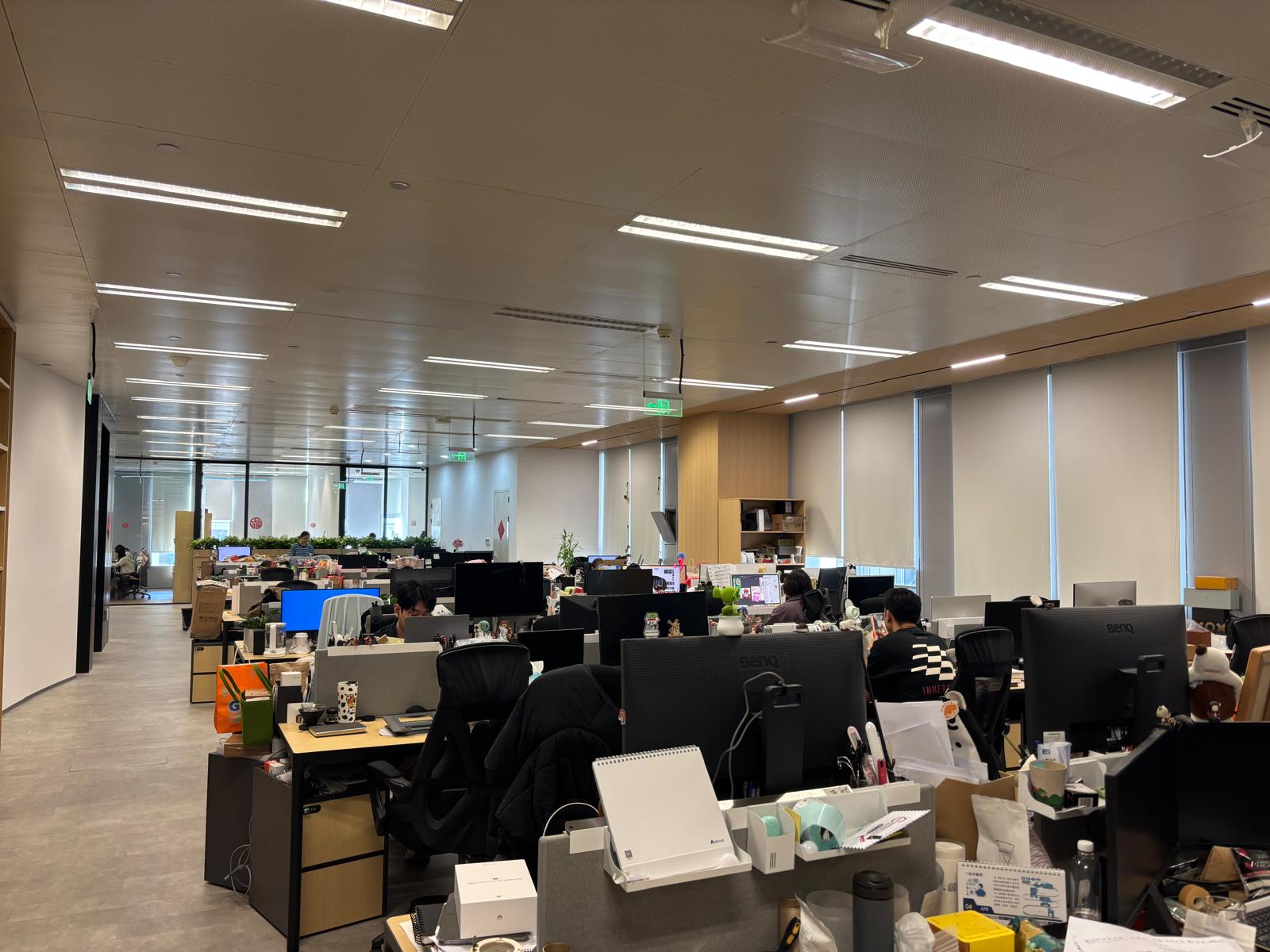
Our final stop took us to Shanghai, where we visited Timemore’s offices.
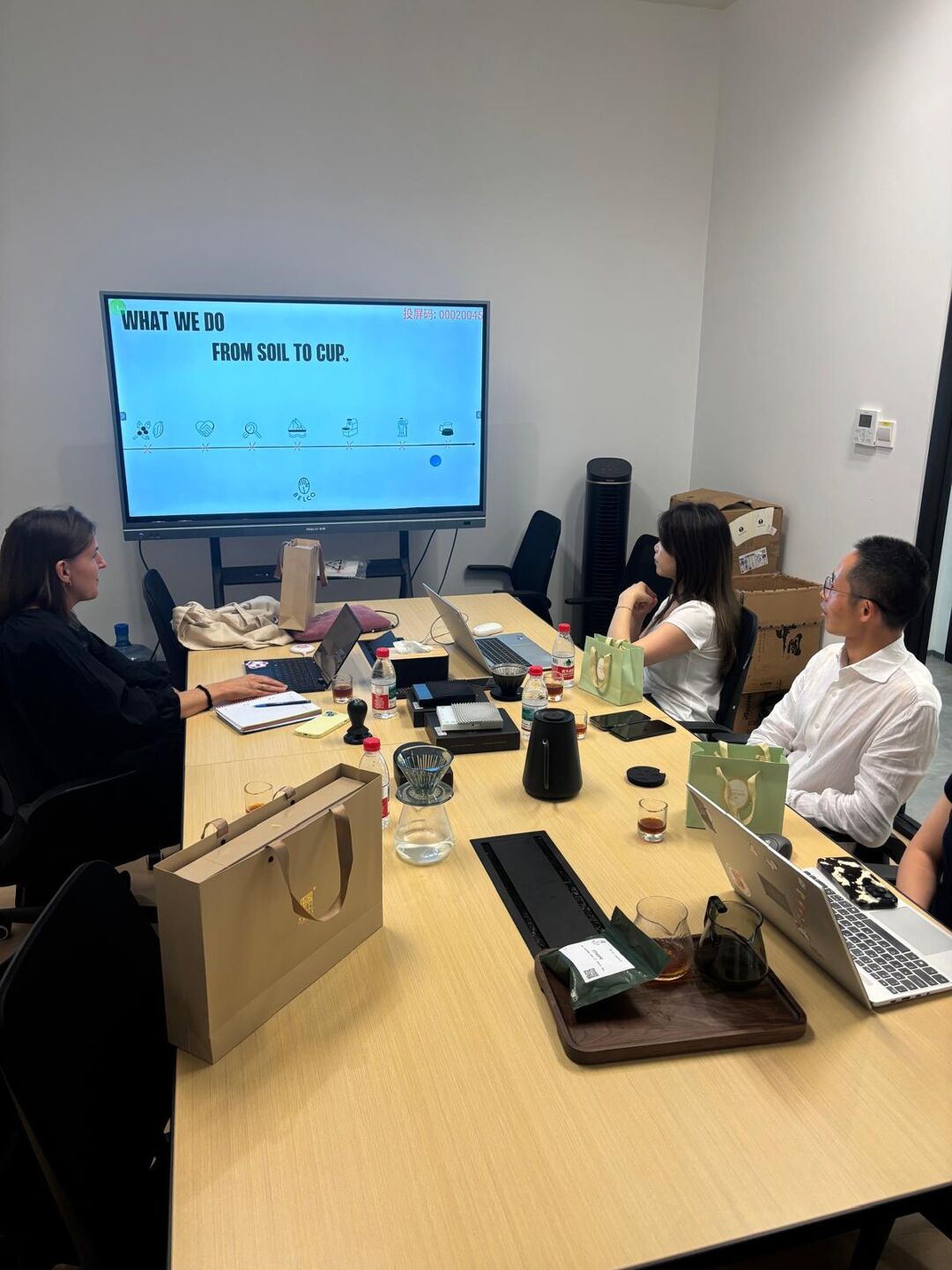
This meeting gave us a clearer understanding of their internal organization, their vision, and the way they collaborate with their partner factories.
The founder regularly conducts unannounced visits to production workshops to check quality, working conditions, and compliance with standards.
We would have loved to visit their main site, located in the Dongguan region, but the distance from Shanghai made the trip impossible within the time we had.
Despite this, the exchange was incredibly valuable: discussions about our impact goals, insights into their R&D projects, and a closer look at their quality approach. Timemore is investing heavily in innovation and is constantly looking for ways to improve its products.
A fast‑moving partner, and one we’re truly excited to keep building the future with.
Our responsibility: to choose, to support… and sometimes to say no.
This trip confirms one essential thing: manufacturing in China is not synonymous with poor quality or human rights abuses. Everything depends on the partners, their practices, their transparency, and their commitment.
At Belco, we have an evaluation framework, a charter, and we adhere to it. We will never hesitate to sever ties with a brand or partner if we believe the criteria are no longer being met. We have already done so, particularly in areas such as aviation, and we will continue to do so if necessary.
Going there, seeing the production lines, meeting the teams: that's what allows us to assess the reality behind each product.
We are coming back with ideas, projects, exclusive colors… and a finer understanding of what is happening behind the equipment we distribute.
祝大家周末愉快 (Claire & Constance)

Did you like this article? Share it with your community: