Blog
FAQs
Contact us
Join the team
Belco

Toston

Nicaragua - Nueva Segovia - Diplito - TOSTON - Red honey

Caturra rougeMaragogypeMaracaturraRed honey

Pick your crop :

Aromatic notes:

Spot price

€/kg


Do you know where the name Toston comes from?

This coffee takes its name from a typical Nicaraguan dish made from plantains.

Tostón is a blend created from farms in the Dipilto region, in Nicaragua. It's a red honey coffee produced using a mix of 70% Caturra and 30% from other varities as Maracaturra, Maragogype, Marsellesa and Catuaí. The coffee is named after a typical Nicaraguan dish made using plantain bananas called Tostón, which is a substantial, well-balanced dish, just like this coffee, which would make an excellent base for a blend.

Tostón coffee is created with the aim of offering a nice solid and homogeneous cup. The Dipilto region’s high altitude also gives the coffee an intricate and tangy character. It is a round and very well-balanced coffee. Full-bodied and chocolatey as an espresso, evoking caramel and chocolate as a filter coffee.

In order to develop different processes on the same farm, we offer this coffee in 3 processes: fully washed, red honey and natural. It is ideal to democratize the different processes with the same coffee.

Marketing tools & Certifications

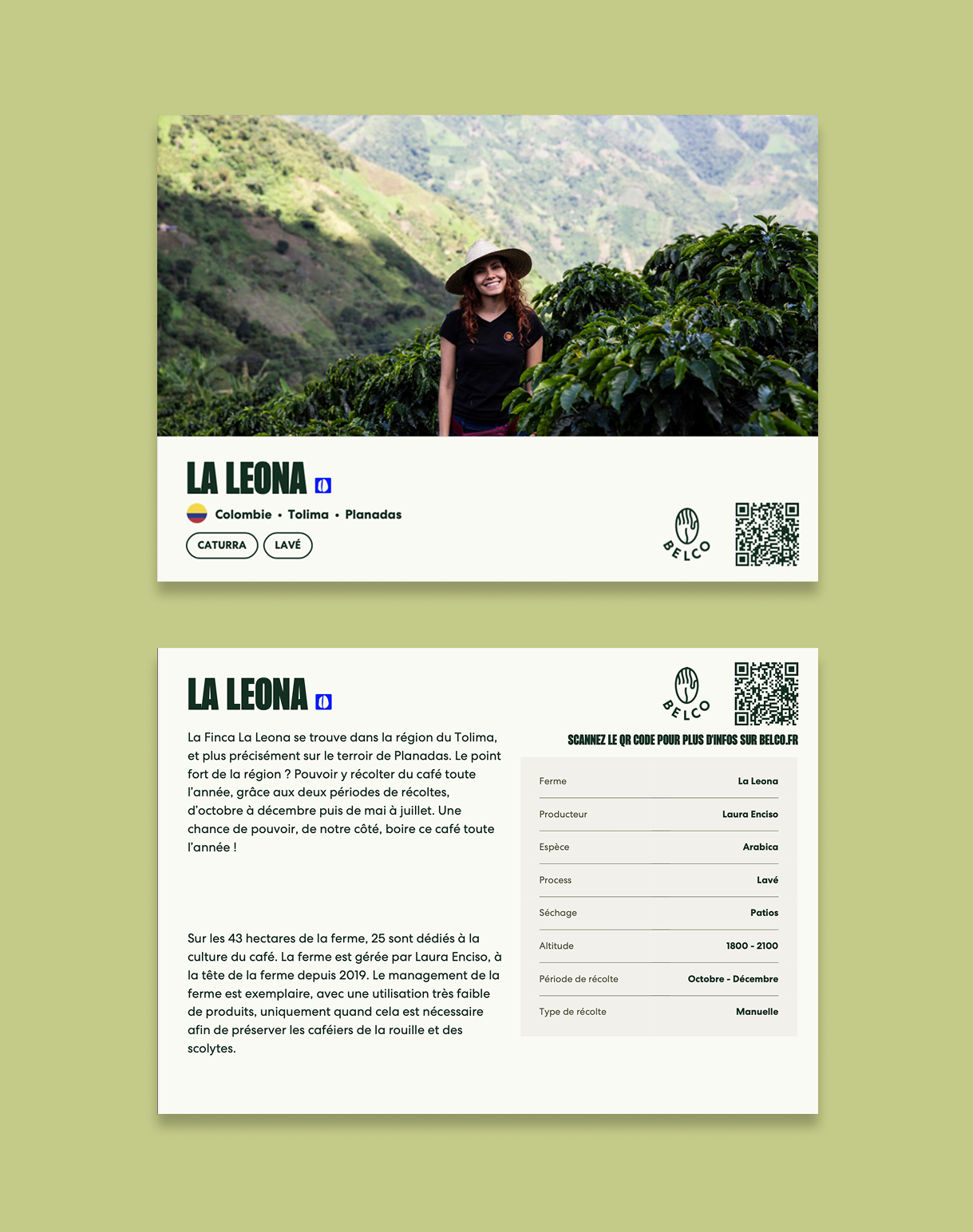
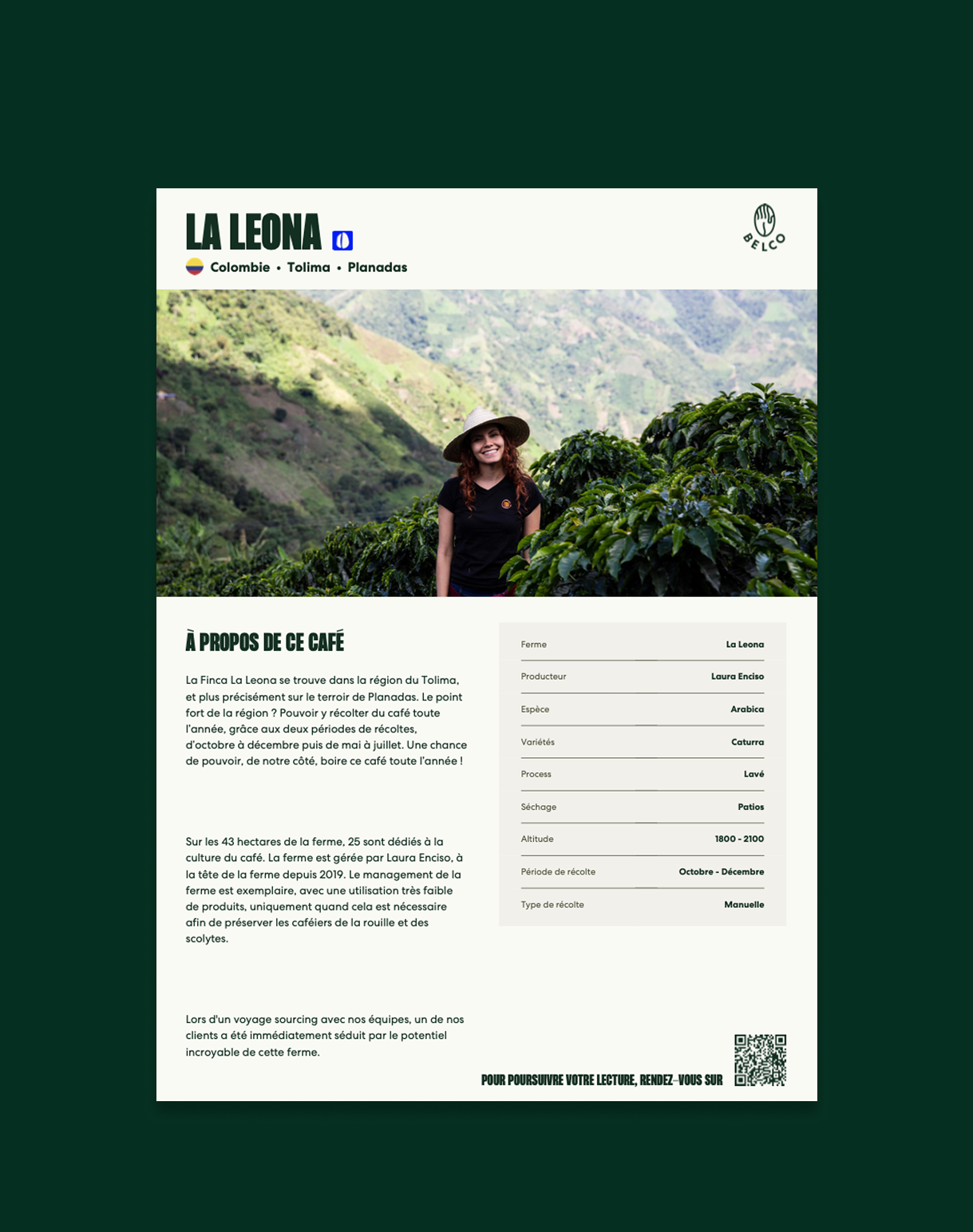
POS displays, postcards, QR codes for packaging, ...

  • Origin

    Nicaragua
  • region

    Nueva Segovia
  • terroir

    Dipilto
  • Producer

    Olman Valladarez
  • Species

    Arabica
  • Varieties

    Caturra rouge,

    Maragogype,

    Maracaturra

  • Process

    Red honey

  • Drying

    30 days drying beds

  • Packaging

    69kg - Jute bags

  • Altitude

    1200 - 1500
  • Harvest period

    December - April
  • Type of harvest

    Manual

Terroir Dipilto

The municipality of Dipilto, located in Nueva Segovia’s department in northern of Nicaragua, is a mountainous region characterized by its irregular topography, with elevations reaching up to 1,700 meters above sea level. This geography provides it with a cool, humid climate, ideal for the development of ecosystems rich in biodiversity. 
Dipilto's local economy is based primarily on three fundamental pillars: agriculture, commerce, and, to a lesser extent, rural tourism. Within agriculture, coffee cultivation represents the municipality's most important economic driver, both in terms of production volume and its social and environmental impact. The coffee grown in Dipilto has been recognized on numerous occasions in international competitions such as the Cup of Excellence, placing the municipality on the world map of specialty coffees. In fact, it is estimated that more than 80% of Dipilto's rural families depend directly or indirectly on coffee, either as producers, harvesters, processors, or traders. Statistically, Dipilto produces approximately 80,000 to 100,000 quintals of green coffee per production cycle, with a high percentage coming from small and medium – sized farms integrated into cooperatives or fair trade networks. This volume represents a significant portion of coffee production in Nueva Segovia, a department that supplies approximately 25% of the national coffee.  
Coffee, more than just a crop, represents a central pillar of local development, combining economy, identity, sustainability, and international prestige. Thanks to its natural conditions and the commitment of its producers, Dipilto continues to consolidate itself as one of the most recognized and promising coffee – growing regions in Nicaragua.  

Meet Olman Valladarez

Learn more

A few words about Olman Valladarez

"I’m the second generation of coffee farmer, I was born and raised in a coffee producing family. Today I am continuing what my father inherited from us. Due to financial problems in 2002, I had to make my own decision to stay with the family and face the current situation at that time. I had to do various businesses parallel to coffee to be able to heal the blow we had.
Our coffee at that time had quality problems and that is when I started to get advice to improve. That's when I got the idea that coffee has greater potential and in 2005 I discovered the different attributes that coffee can offer. In 2006 was my first participation in the Cup of Excellence contest and having obtained good results, I made more efforts to enter the specialty coffee segment.
In 2008 I integrated the so-called coffee processes into our project and in 2015 I began to experiment with various types of fermentation. A year later, in collaboration with a chemical engineer, I delved into this procedure, thus achieving greater precision in the qualities and processes of our products.
To date, I've participated in the Cup of Excellence competition more than 40 times and have won first place five times. In Nicaragua, we promote an event called The Best of Maragos, a competition where only varieties like Maragogype, Maracaturra, and Pacamara can compete, where I have also won first place. My first Cup of Excellence victory dates back to 2015. Since then, our coffees have continued to be recognized at the highest level through 2024.” - Olman Valladarez

We have been working with Olman Valladarez for over ten years. After taking over the family farm, he structured his project around a gradual mastery of quality and control over the value chain.
Until the construction of the Cafetalera Buenos Aires washing and drying station, the family’s coffee was sold entirely as cherries. This investment marked a turning point, enabling the Valladarez family to regain full control of the process, from post-harvest processing through to export.
Today, Olman Valladarez’s commitment is built around developing an eco-friendly business model, reducing the use of chemical inputs, and preserving surrounding forests and water resources. While he is proud to have turned the family farm into a benchmark for specialty coffee, his ambition now is to create a positive and lasting impact on biodiversity.

Equipments selection