
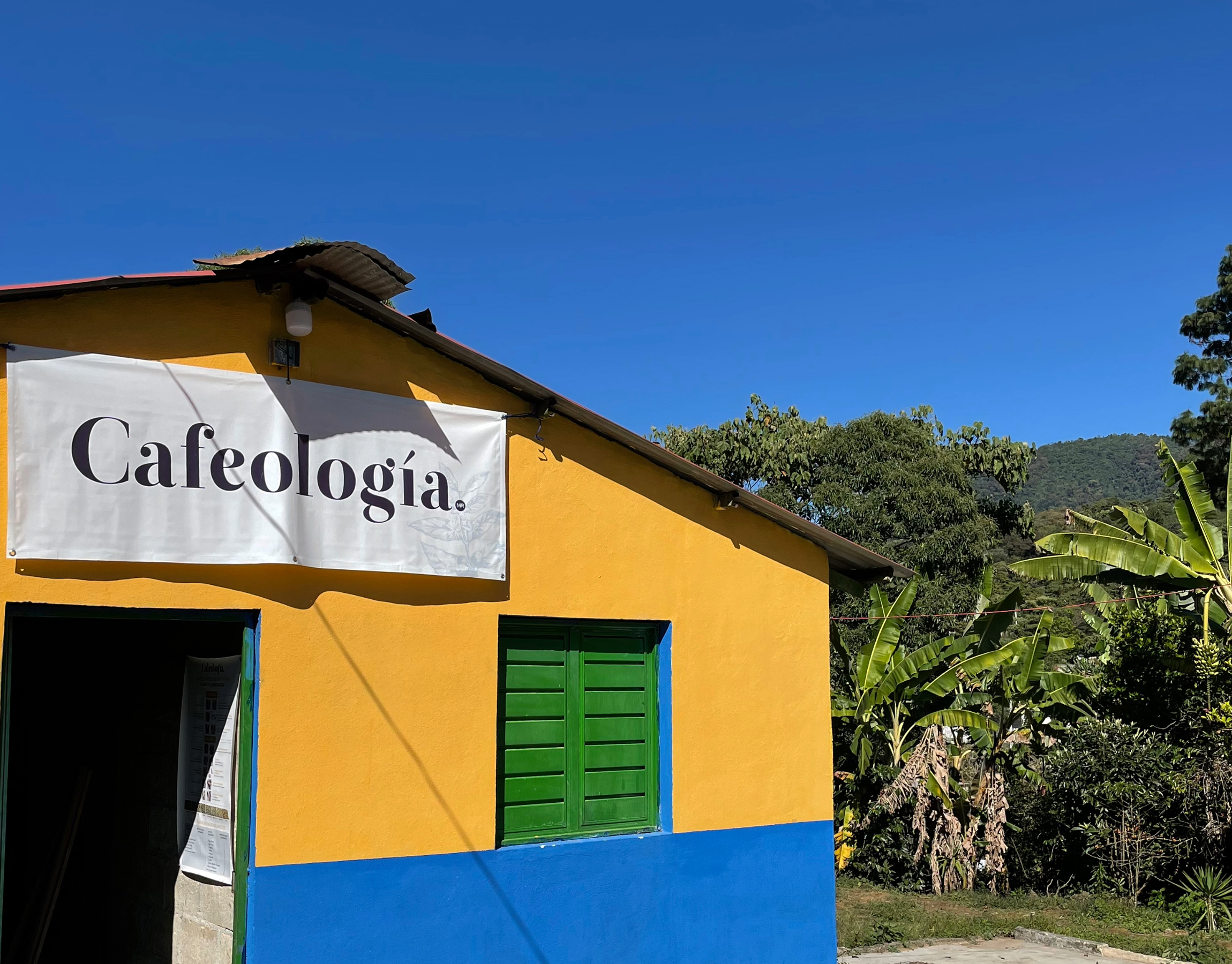
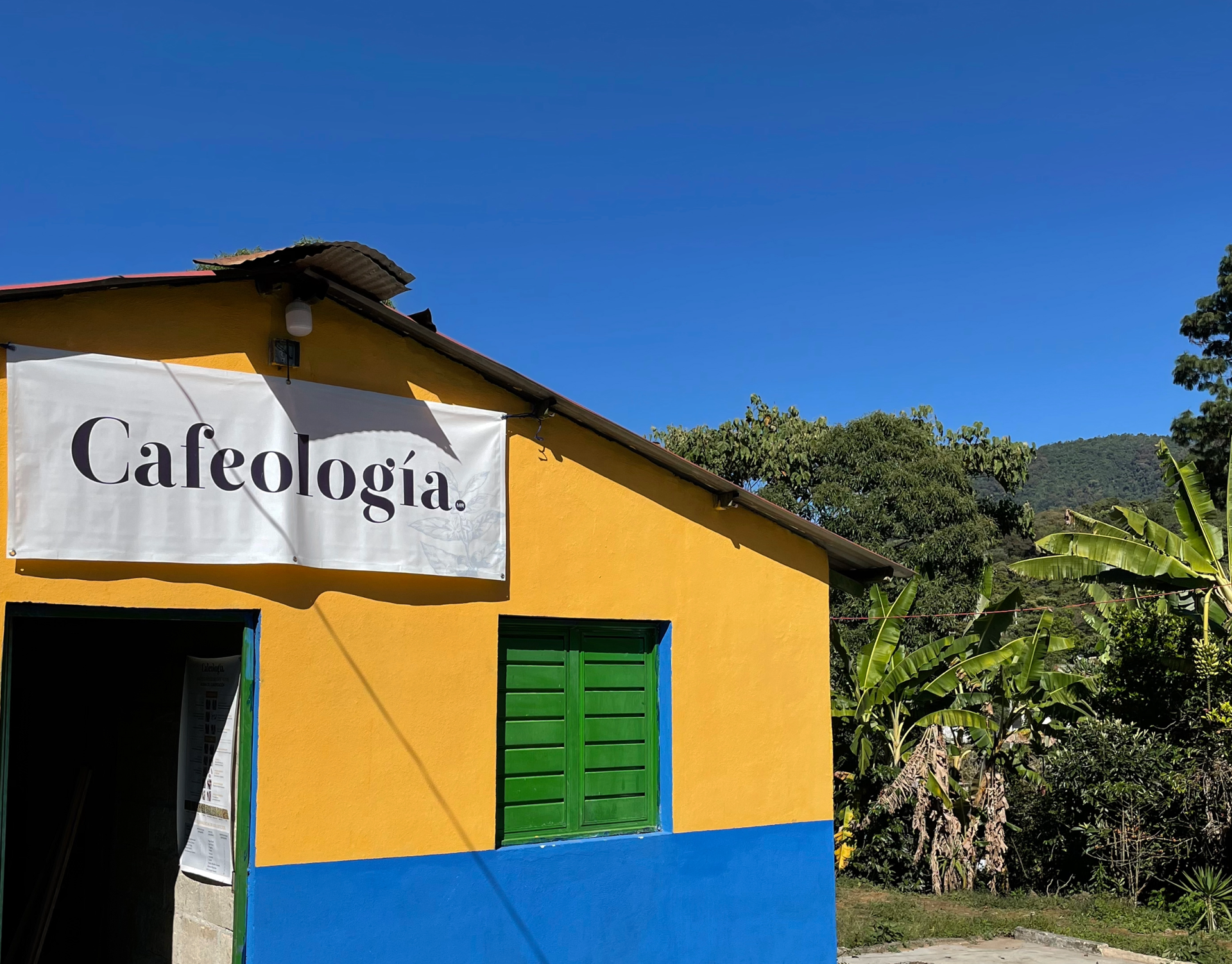
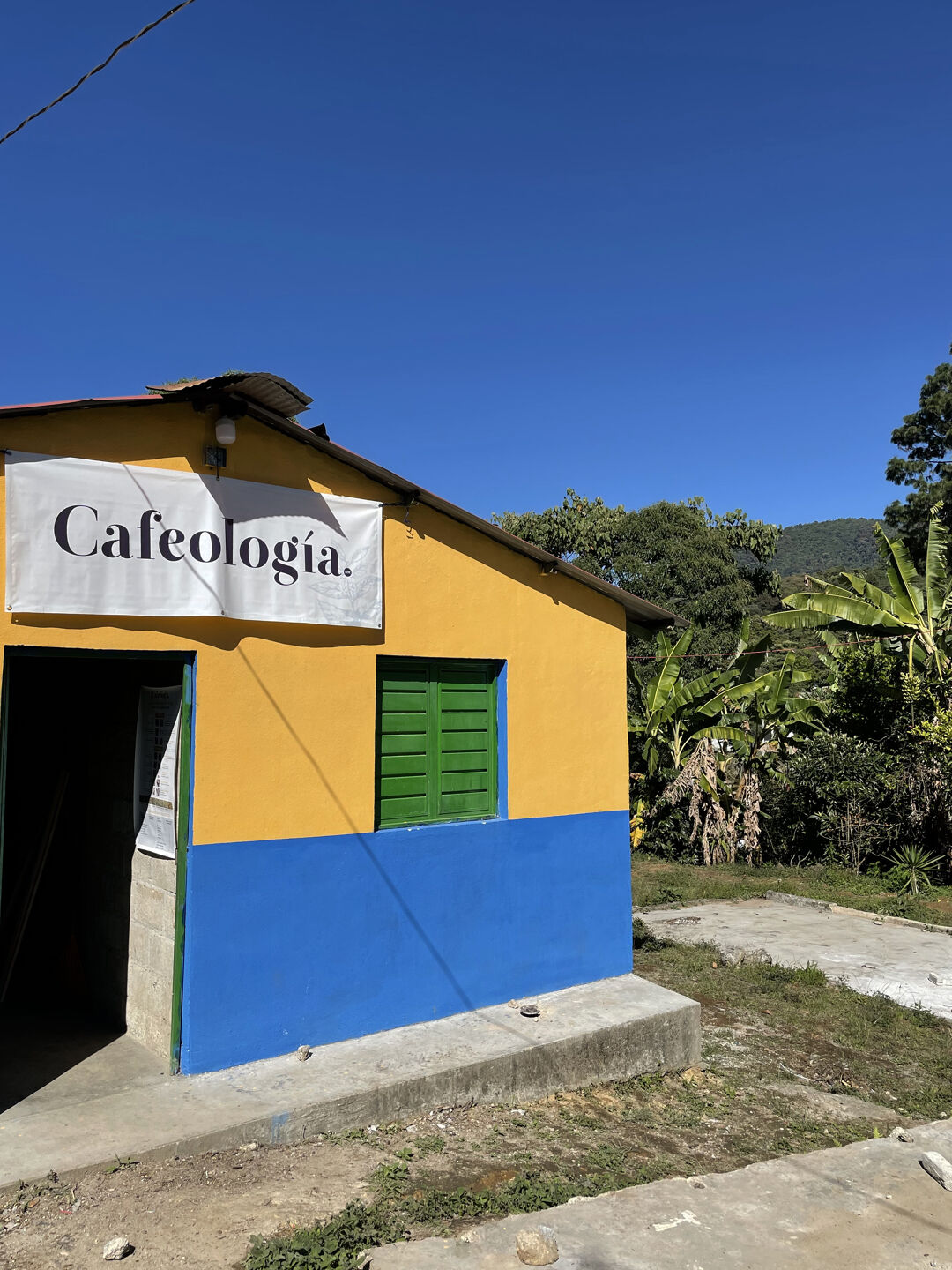
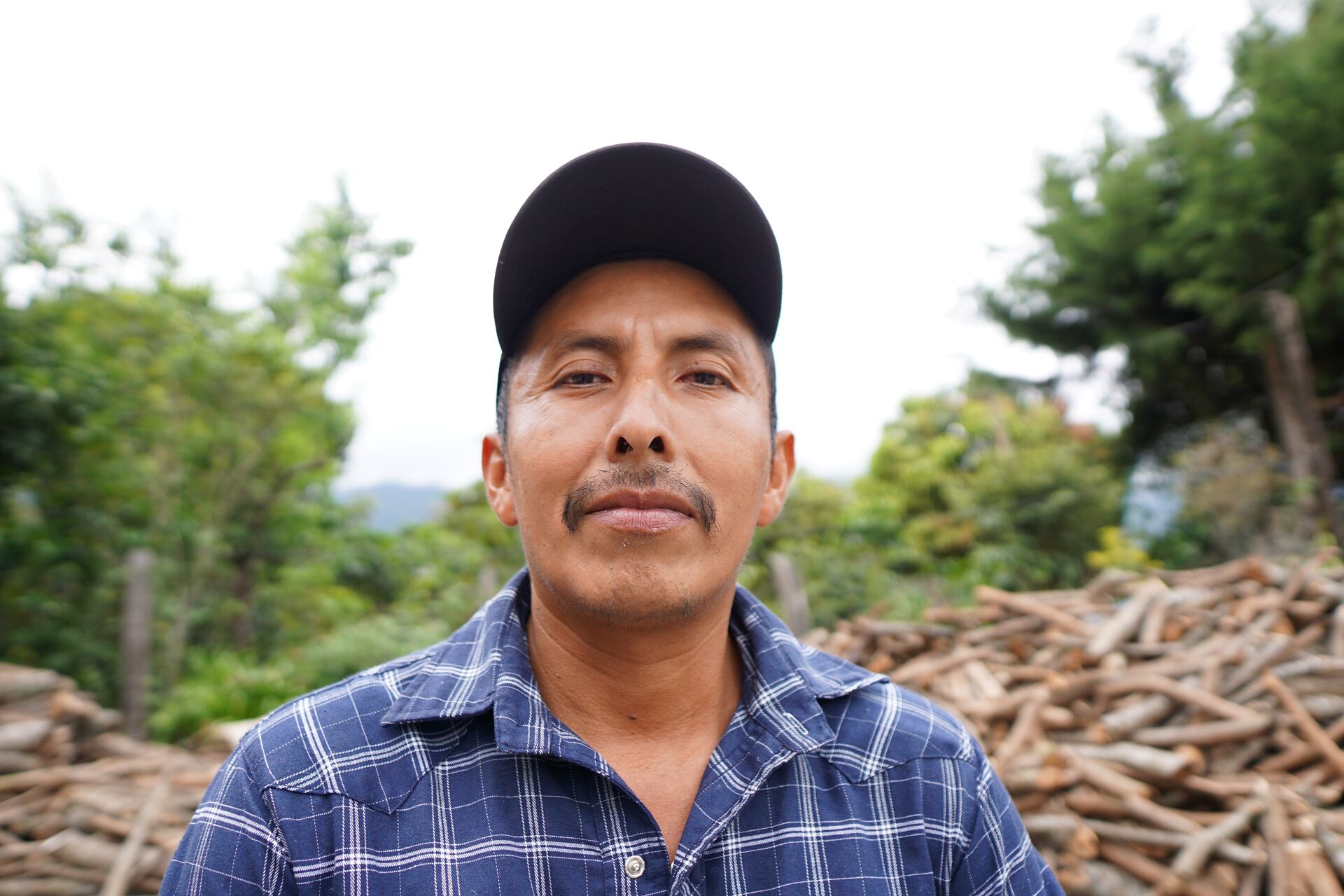
Located at an altitude of 1,600 metres above sea level in the Tenejapa, the Beneficio Comunitario Comunitario Sibactel is a group of micro-producers who share the same challenge: to confront the highly extractive agriculture (industry that exploits natural resources) that commodity buyers are shaping in the region. They also want to restore the value of the classic Arabica varieties and not be satisfied with the trend towards the introduction of high-yielding varieties. These independent farmers are supported by Jesus Salazar (Cafeologo) and his team. Their goal: to promote sustainable coffee growing by involving producers from Mayan communities and to value their work through the prism of quality.
MMexico
Farm
Beneficio Comunitario Sibactel
Tenejapa
About
The farm in detail
Altitude
1600 Environment
Mountainous Shady
Primary forest of Chiapas
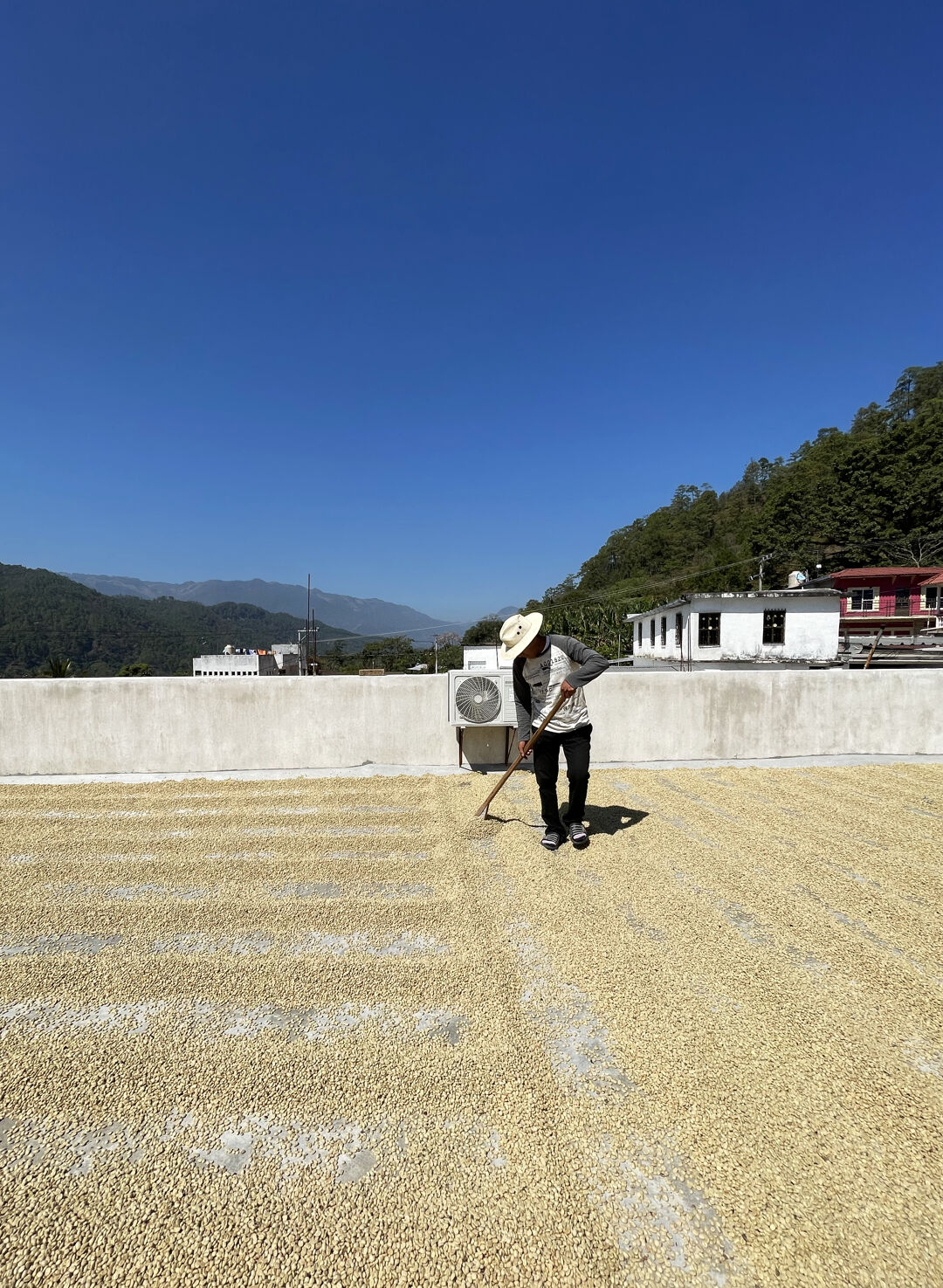
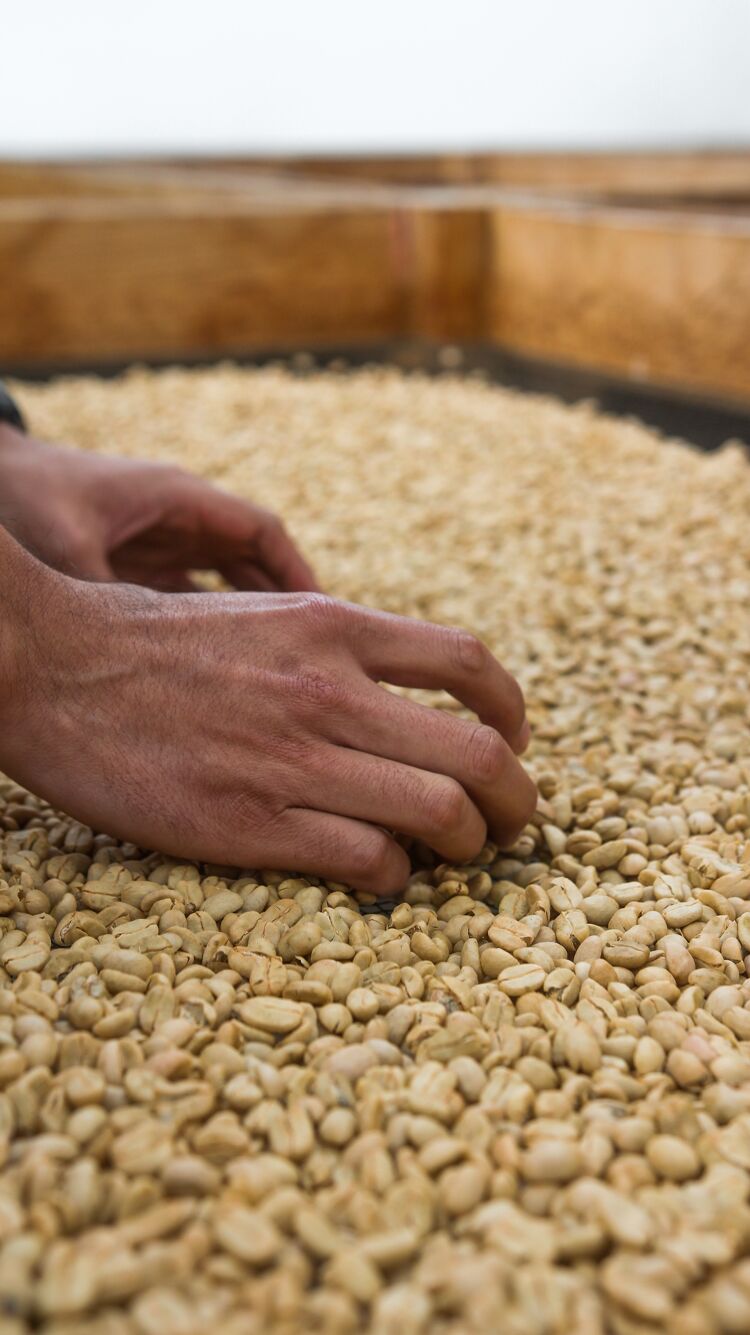
The Tenejapa region is home to a large number of beneficios comunitarios. The Mayan inhabitants who live there belong to the Tseltal community. We work with some of the coffee producers in this region thanks to our partner Jesus Salazar and his company Caféologo. With them, the harvest is selective and every effort is made to achieve maximum quality, particularly in terms of the process.
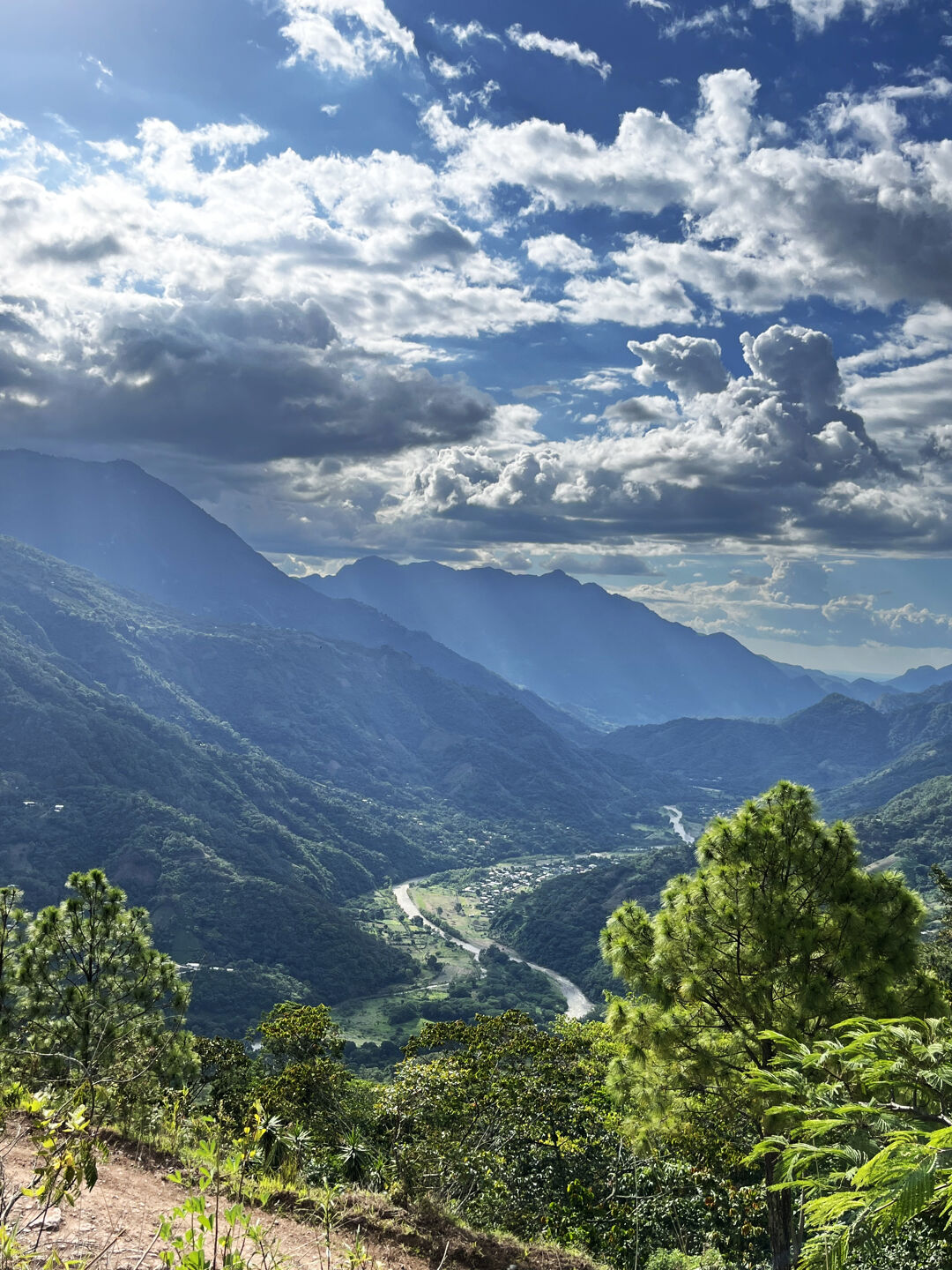
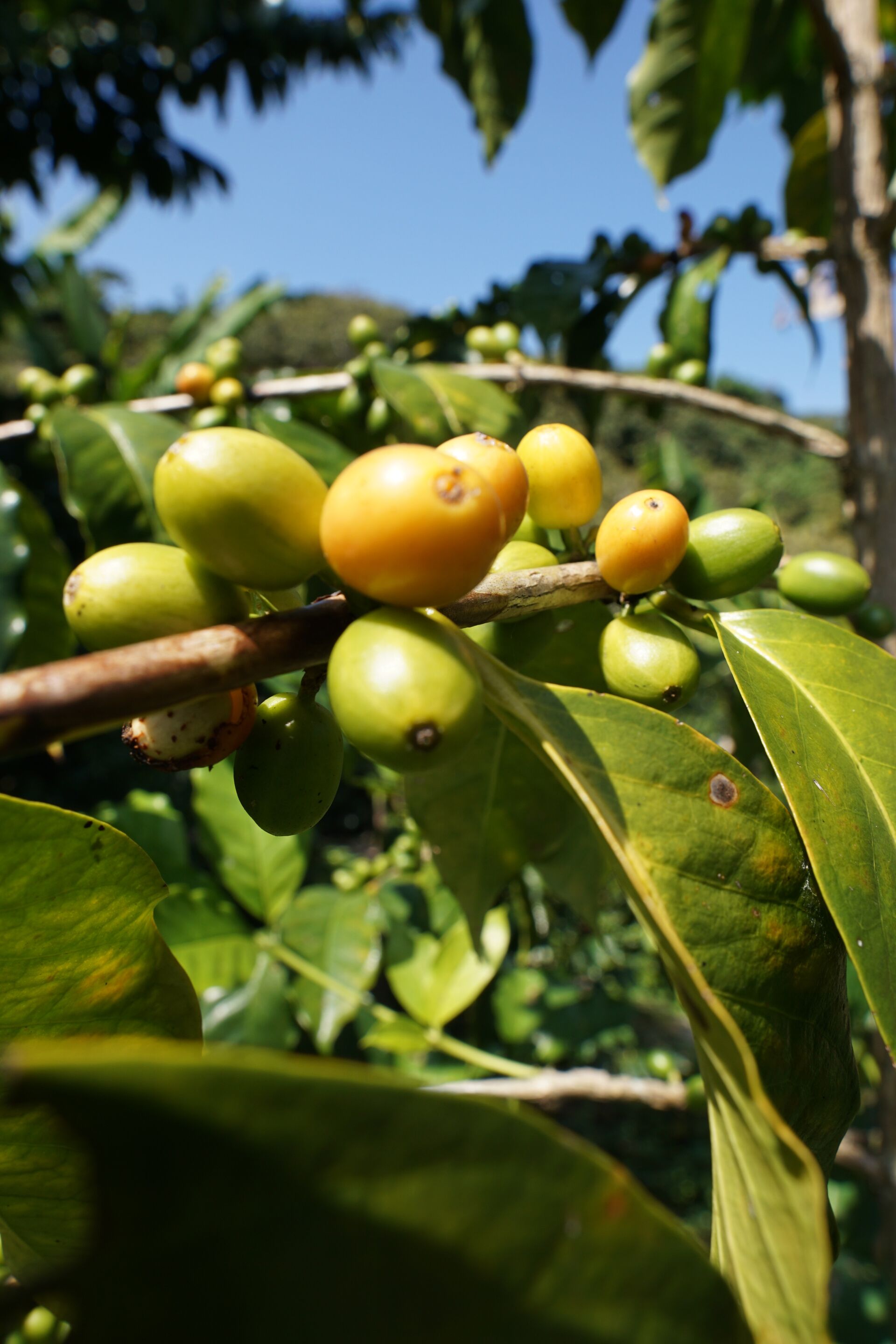
Coffee, especially washed coffee, is the main crop grown in the Tenejapa area. Temperatures here are cool, between 9 and 12°C, allowing the fruit to ripen slowly.
Located in the southwest of Mexico, the Chiapas region has a contrasting landscape of coasts, valleys, mountains and tropical forests. Coffee is grown at altitudes of between 1,300 and 1,700 meters above sea level. It is one of the most important coffee producing regions in Mexico, accounting for 40% of the country's total production. Significantly, Chiapas shares a border with Guatemala's famous Huehuetenango region, which has a significant influence on the coffee's aromatic profile.
The climatic conditions in Chiapas make for rich and varied agriculture. Coffee and cocoa are grown here, as well as bananas, corn, mangoes, honey and cane sugar. Mexico is a diverse and challenging coffee-growing region. It is home to many indigenous communities: Maya, Tseltal, Tzotzil, Ch'ol, Tojol-ab... farmers who are proud of their heritage and their unique varieties, which date back several centuries. Most of the coffee plantations are family-run and there is a growing number of solidarity-based cooperatives. In short, this is a region rich in culinary, cultural and geographical diversity!
Coffees of this farm
Spot price
€/kg
Spot price
€/kg
Spot price
€/kg
Spot price
€/kg
Spot price
€/kg
Spot price
€/kg
Spot price
€/kg