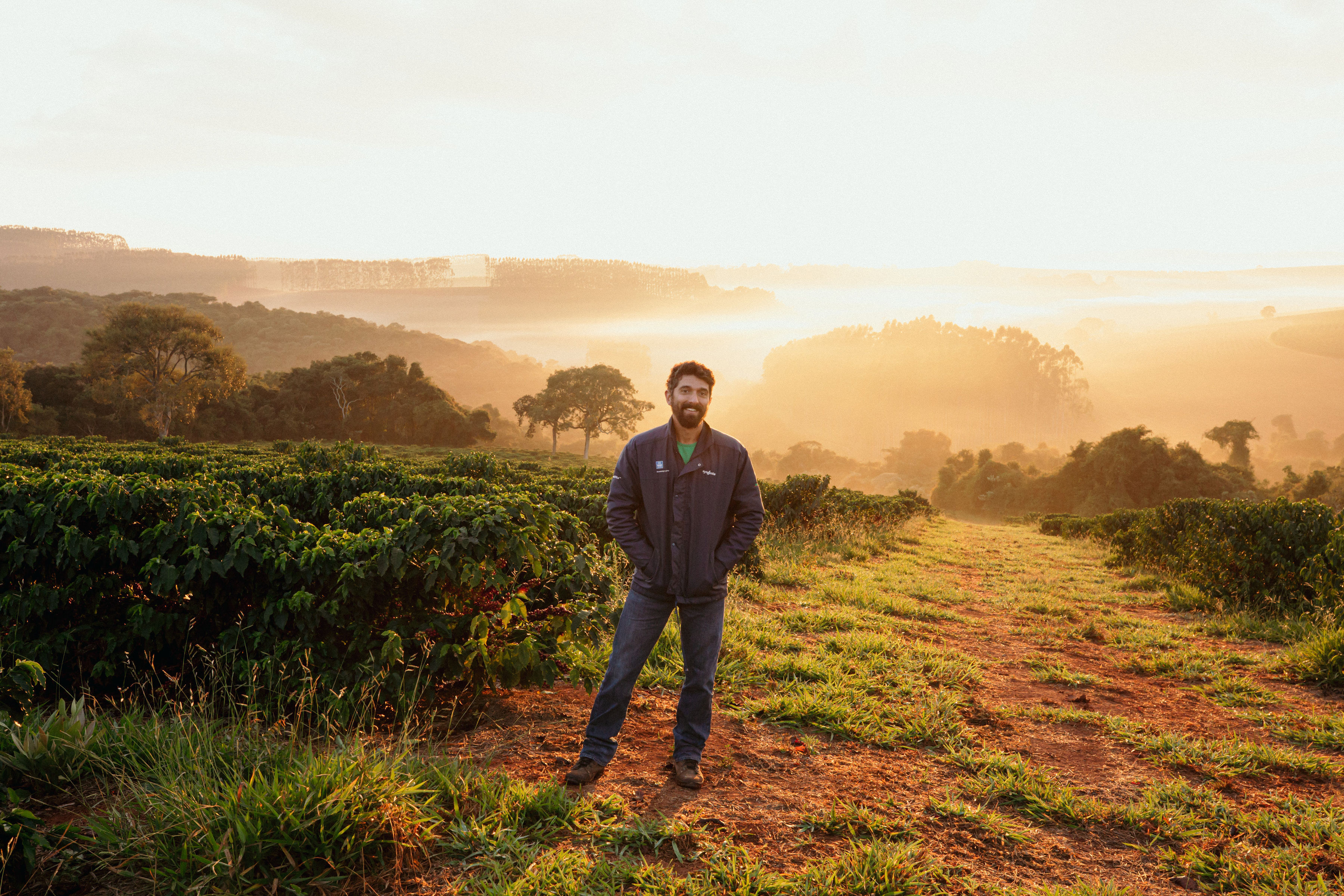
Founded in 1988, Fazenda Vila Boa was established when Monica inherited 90 hectares of farmland from her father. She chose to name the estate Vila Boa, meaning “pleasant town,” with the ambition of bringing together people driven by shared values and a positive vision of agriculture.
Monica and her husband, who was an engineer at the time, began the project by planting a first 7-hectare coffee terroir, now known as Campos das Vertentes. Since then, they have developed a deep passion for specialty coffee, producing high-quality lots that have scored up to 89 points. Today, Fazenda Vila Boa spans more than 1,000 hectares and combines coffee production with cattle farming for dairy production.
To achieve such a high level of quality, the farm follows strict agronomic standards. Soil and leaf samples are regularly analyzed in laboratories to identify potential deficiencies. Nitrogen, phosphorus, and potassium are applied with precision three times a year, following recommended dosages. The team also ensures that around 10% of the estate’s coffee trees are renewed each year to maintain productivity. In parallel, Fazenda Vila Boa expands its coffee-growing areas by 8 to 10% annually, meaning that nearly one fifth of the farm is continuously under renovation.
Processing typically begins with the selective harvesting of cherries at peak ripeness, usually done by hand. For this specific lot, harvesting is carried out mechanically. Fazenda Vila Boa uses different processing methods, producing Natural, Honey, and Fully Washed coffees, still rare in the region, and the team has also experimented with other fermentation processes.
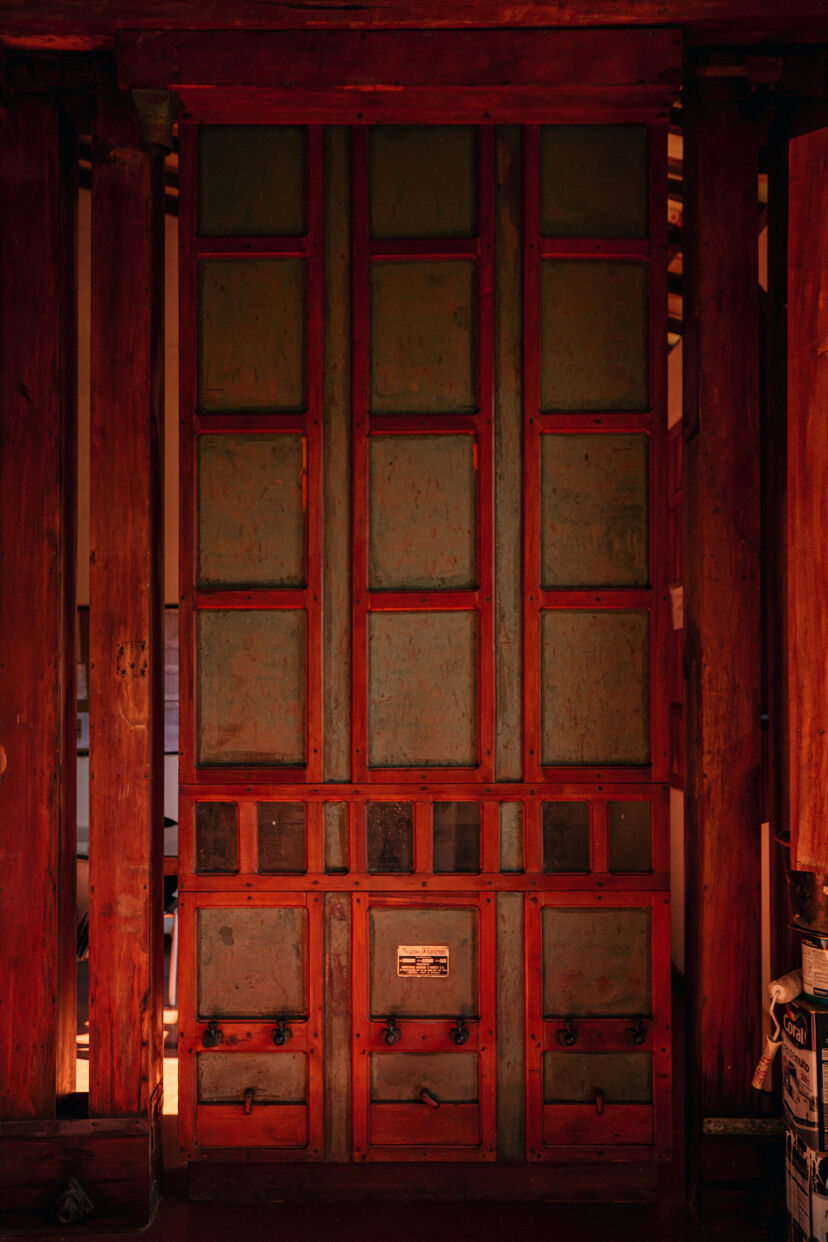
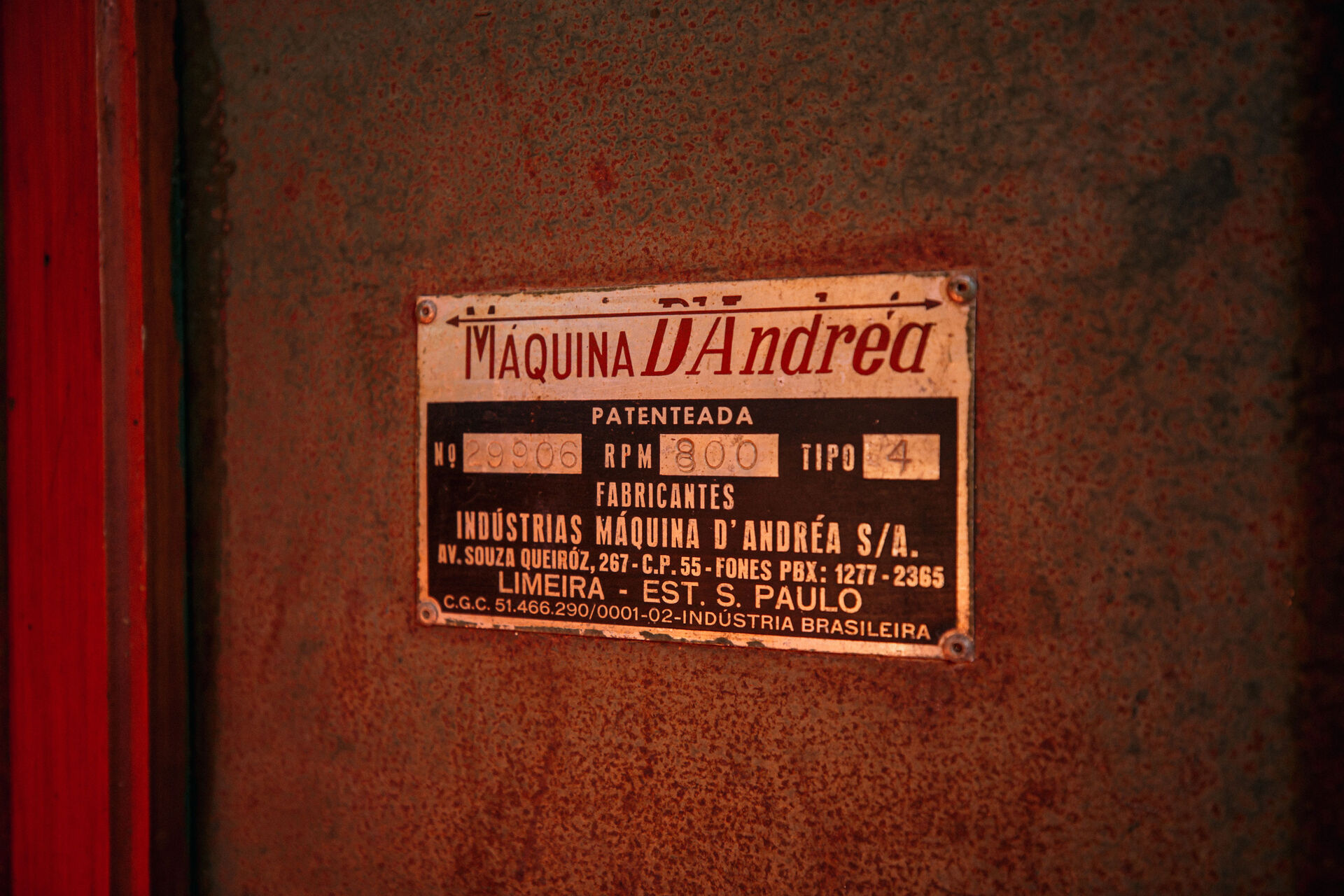
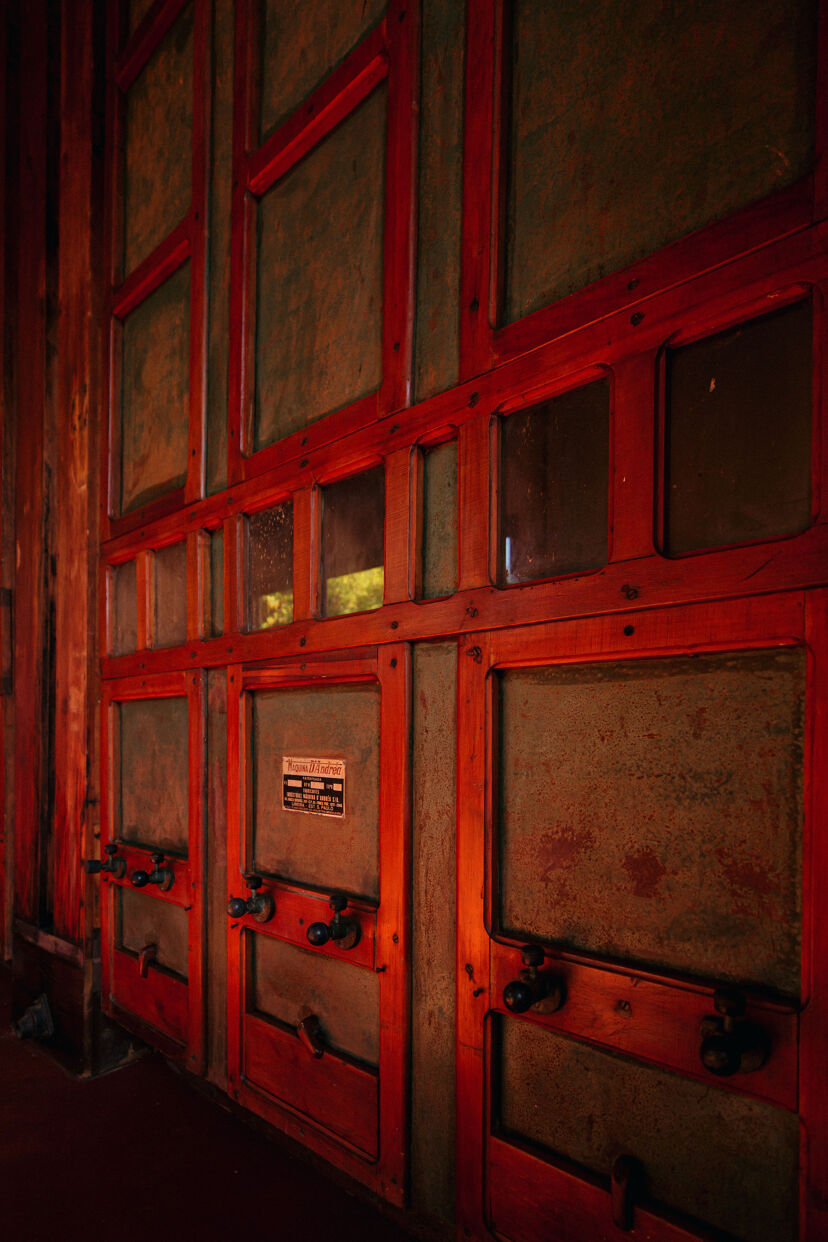
The process starts with the cherries being delivered to the mill, where they are sorted to remove underripe or overripe fruit. The cherries are then evenly spread on patios to dry in the open sun for 10 to 15 days. Once the ideal moisture content is reached, the dried cherries are bagged, rested, and then hulled in preparation for export.
Although Fazenda Vila Boa continues to grow, the estate faces several challenges, the most significant being the impact of climate change. Periods of drought have become more frequent in recent years. Monica notes that 2013, 2019, and 2021 were particularly challenging, requiring substantial nutrient inputs to maintain crop performance and soil health.
To address these growing climate challenges, Fazenda Vila Boa has recently undertaken a carbon neutral certification process, an initiative Monica credits to the influence of her children. The estate not only reduces its carbon footprint but also offsets its emissions through its coffee terroirs and forested areas. Today, 30% of the farm is dedicated to conservation, with plans to increase this share by planting more than 1,000 additional trees.
Beyond its environmental commitments, Fazenda Vila Boa also aims to create a positive impact on the local community by supporting the NGO ICAFE. This organization helps diversify economic, social, and cultural activities in the region. It supports women in producing and selling food products and encourages educational and cultural development among children from nearby communities.