
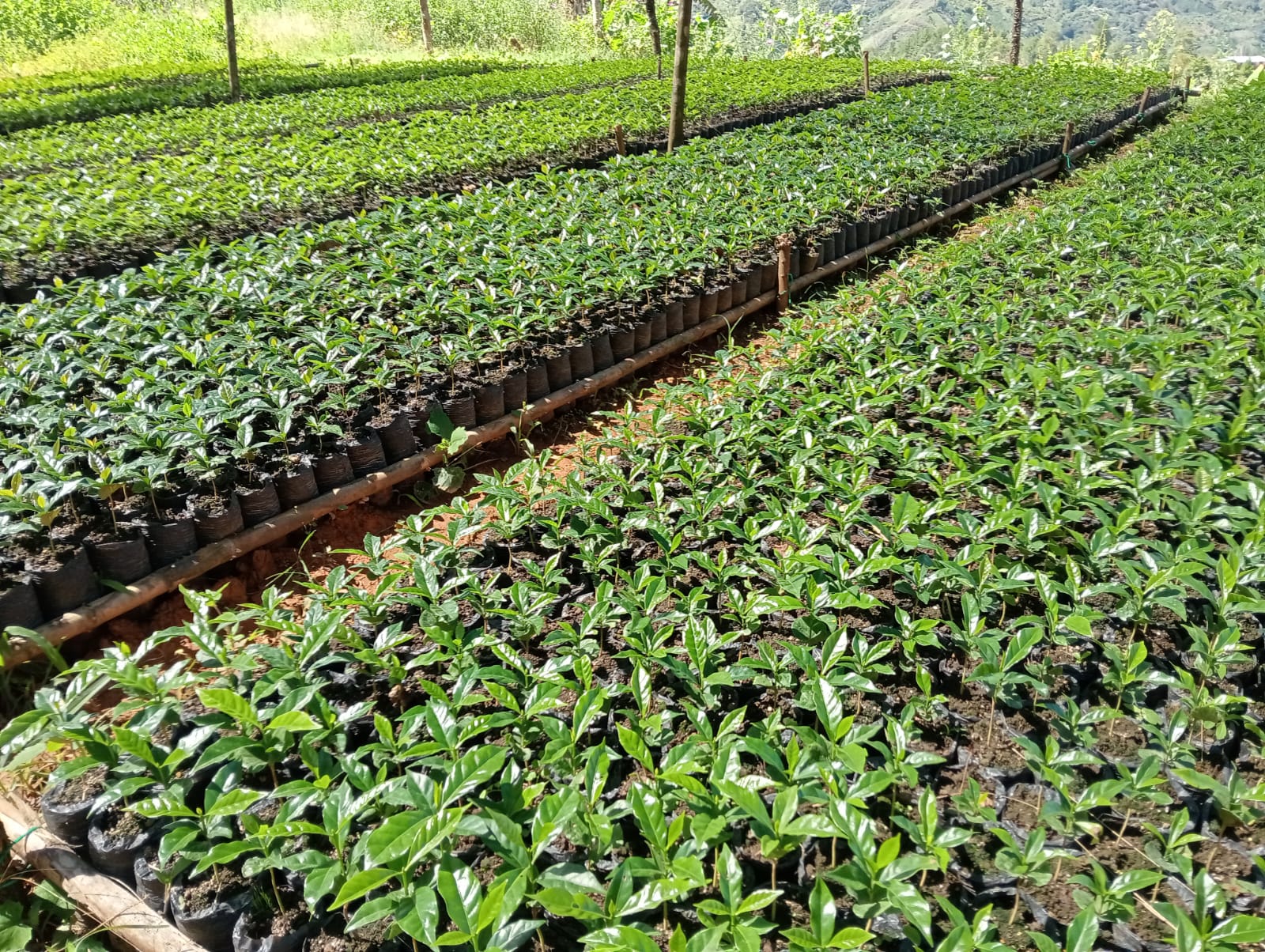
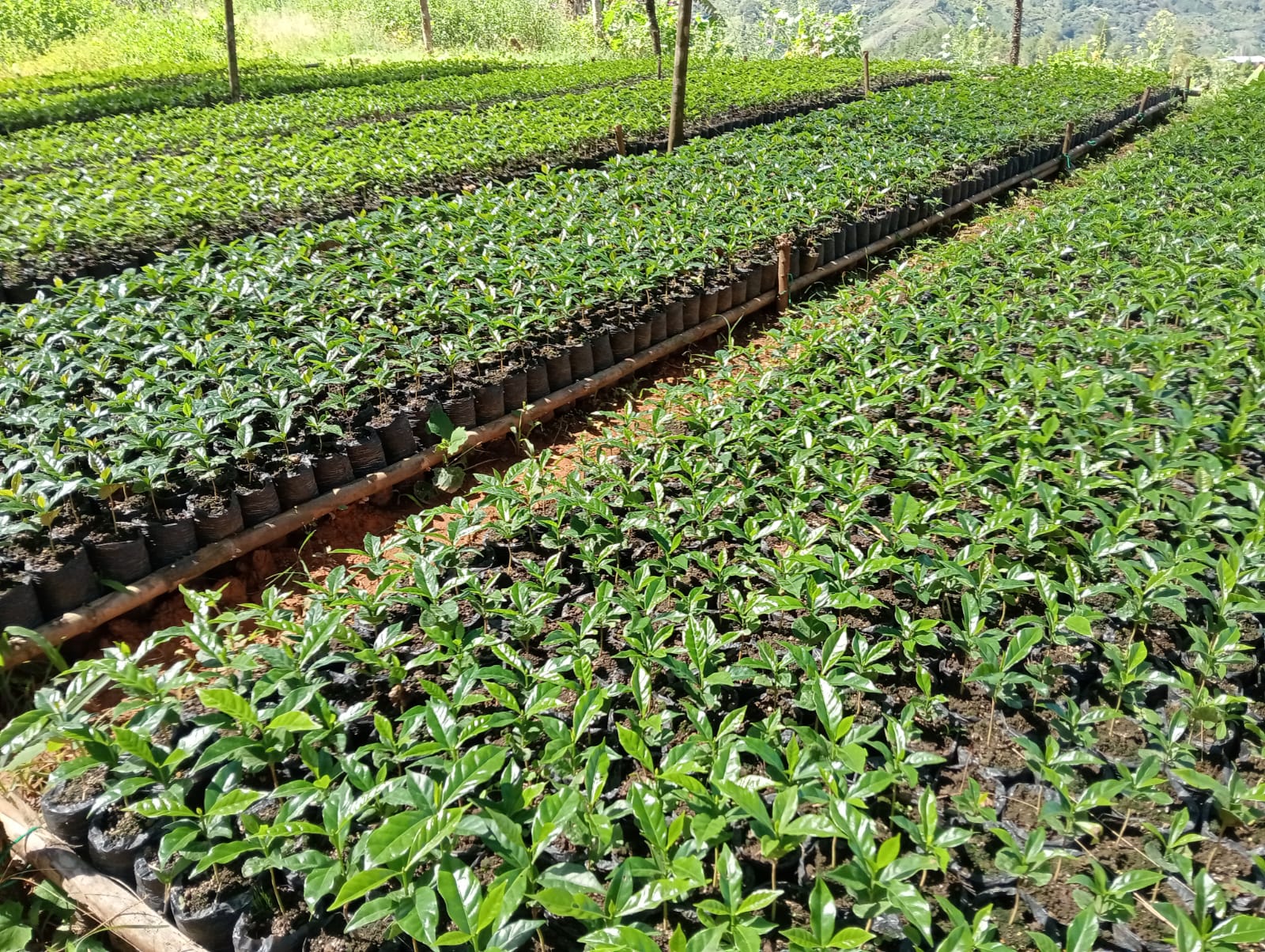
"El Porvenir is a family-owned farm located in Vereda El Ramal, Corregimiento de Uribe, in the municipality of El Tambo, about two hours from the main town, at an altitude of approximately 2,150 meters above sea level, on the road to Munchique National Park (Santa Ana sector). The road to the farm is unpaved but offers stunning landscapes surrounded by native forest — visitors are advised to travel with a local guide and the proper authorization. The farm’s name, El Porvenir (“The Future”), was chosen by my father, who also passed it down to me as an inheritance. It carries a beautiful story: years ago, this land was used for illicit crops, but we decided to transform it into a place of renewal through coffee. Once you arrive, you truly never want to leave. We strive to follow the best agricultural practices — using manual tools like brush cutters and minimizing herbicide use — to preserve soil fertility and the natural balance of our environment."
CColombia
Farm
Pedro FABIAN OLARTE
El Porvenir
Tambo
About
The farm in detail
Total number of hectares
20 Altitude
2000 Shady
Yes Agroforestry level
1 - Simple
Located in the western Andes of Colombia, just a short distance from Popayán, El Tambo, Cauca is a coffee-growing region defined by rugged mountains, deep valleys, and fertile volcanic soils. Rivers such as the Timbío cross its territory, while misty forests and steep slopes create the diverse microclimates that make this origin so distinctive.
Coffee is cultivated here between 1,500 and 2,000 meters above sea level, where volcanic loamy-clay soils rich in organic matter provide excellent fertility and structure. The climate is mild and humid, with average temperatures ranging from 16 to 21 °C, annual rainfall of 1,800 to 2,200 mm, and relative humidity between 75–85%. The frequent cloud cover slows down cherry ripening, enhancing sweetness and complexity.
In the cup, El Tambo’s coffees are celebrated for their bright, high acidity with citrus and fruity nuances, a pronounced natural sweetness reminiscent of honey and sugarcane, and a medium to creamy body. Flavor notes often include red fruits, floral undertones, chocolate, and gentle spices, resulting in layered and expressive profiles.
The Cauca region, located in the south-west of Colombia, covers an area of 29,308 km², or 2.56% of the national territory. It has played an important role in the country's historical development, both economically and politically, from colonisation to independence in 1810. Home to some of Colombia's most impressive volcanoes, Cauca benefits from fertile and rich volcanic soil, making it a key region for coffee cultivation.
Socially, Cauca is one of the most complex departments in the country. Its territory was inhabited in pre-Hispanic times by various indigenous groups such as the Jamundies, Pances, Paeces, Calotos, Patías, Guambianos and Guanacas. Today, the western descendants live mainly in the capital, Popayan, while the indigenous peoples occupy the mountainous and remote areas.
Cauca is a leader in the production of high quality coffee. Thanks to its climate, its varied topography influenced by the mountain ranges that run through it, and the tradition and passion of its people, it is the fourth largest coffee producer in the country. It even ranks first in terms of the number of coffee-growing families, with more than 93,000 families cultivating 94,500 hectares of Arabica varieties (Castillo, Colombia, Caturra, Típica, Borbón and Tabí) in 34 municipalities. The coffee is grown on small plots by peasant, indigenous and Afro-descendant communities. Since 2011, Cauca coffee has had a denomination of origin that defines it as a coffee with strong caramel notes, high acidity, medium body, a clean, smooth cup with sweet, floral notes.
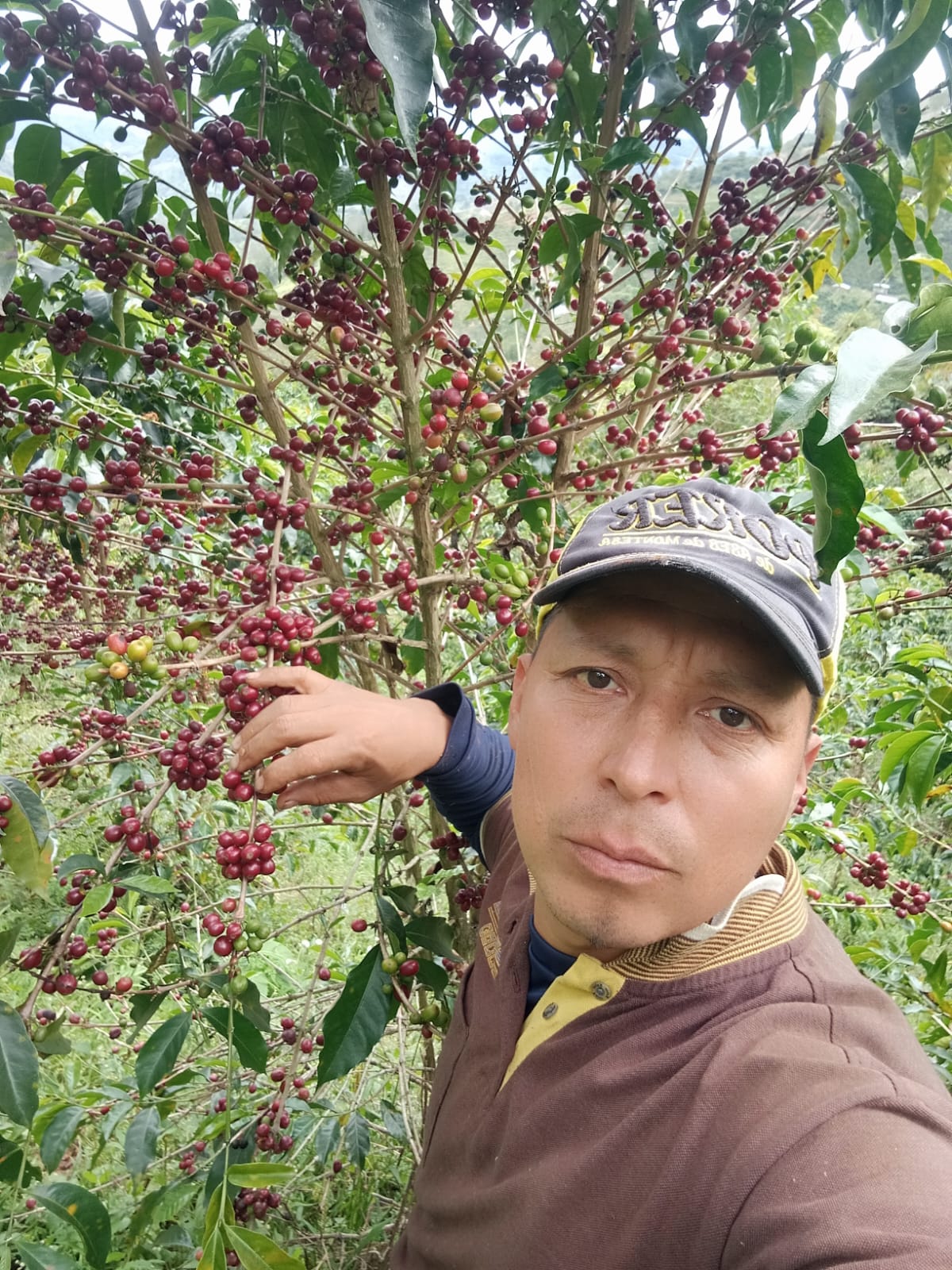
Meet Pedro FABIAN OLARTE
Coffees of this farm
Spot price
€/kg
Spot price
€/kg
Spot price
€/kg
Spot price
€/kg
Spot price
€/kg
Spot price
€/kg
Spot price
€/kg