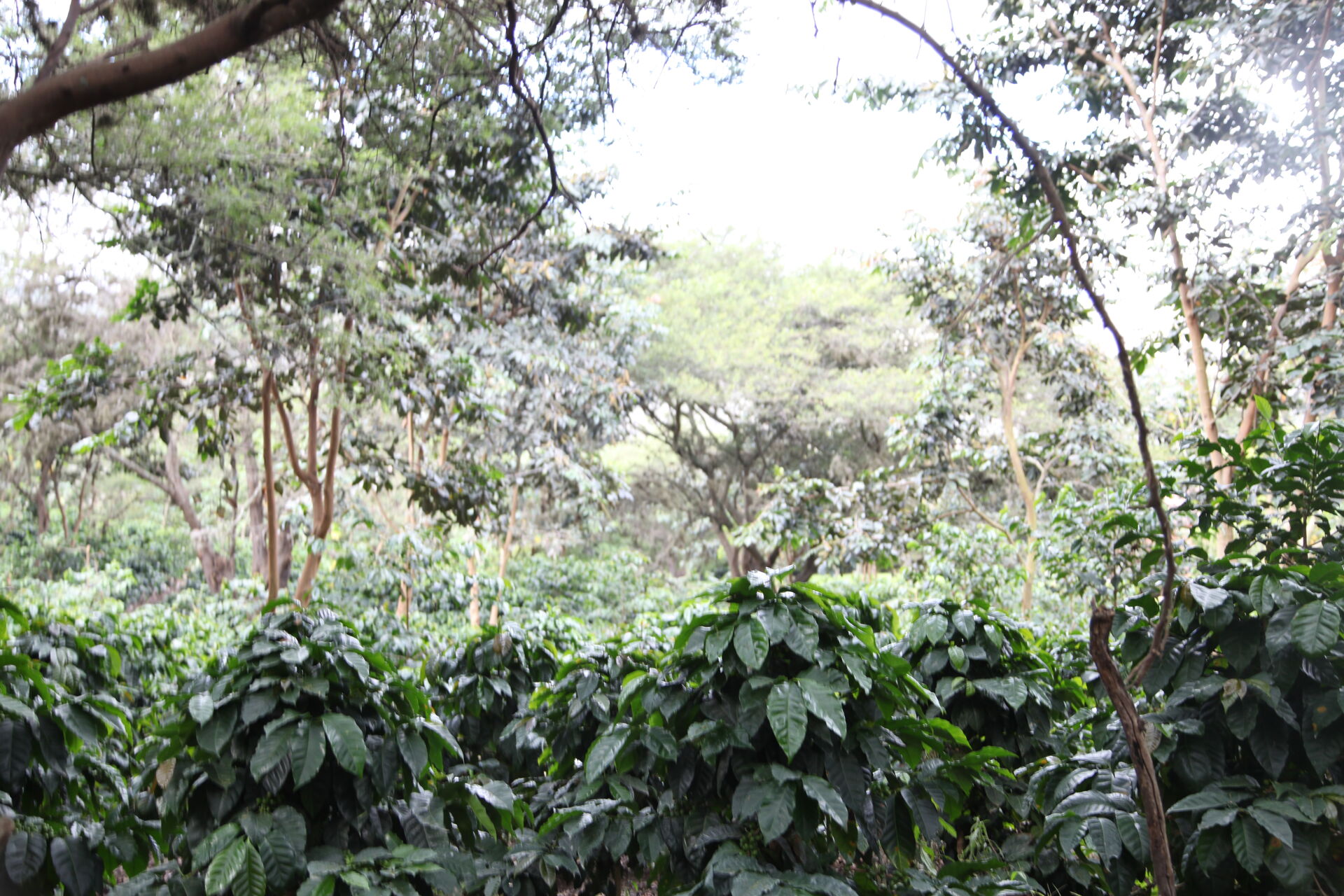
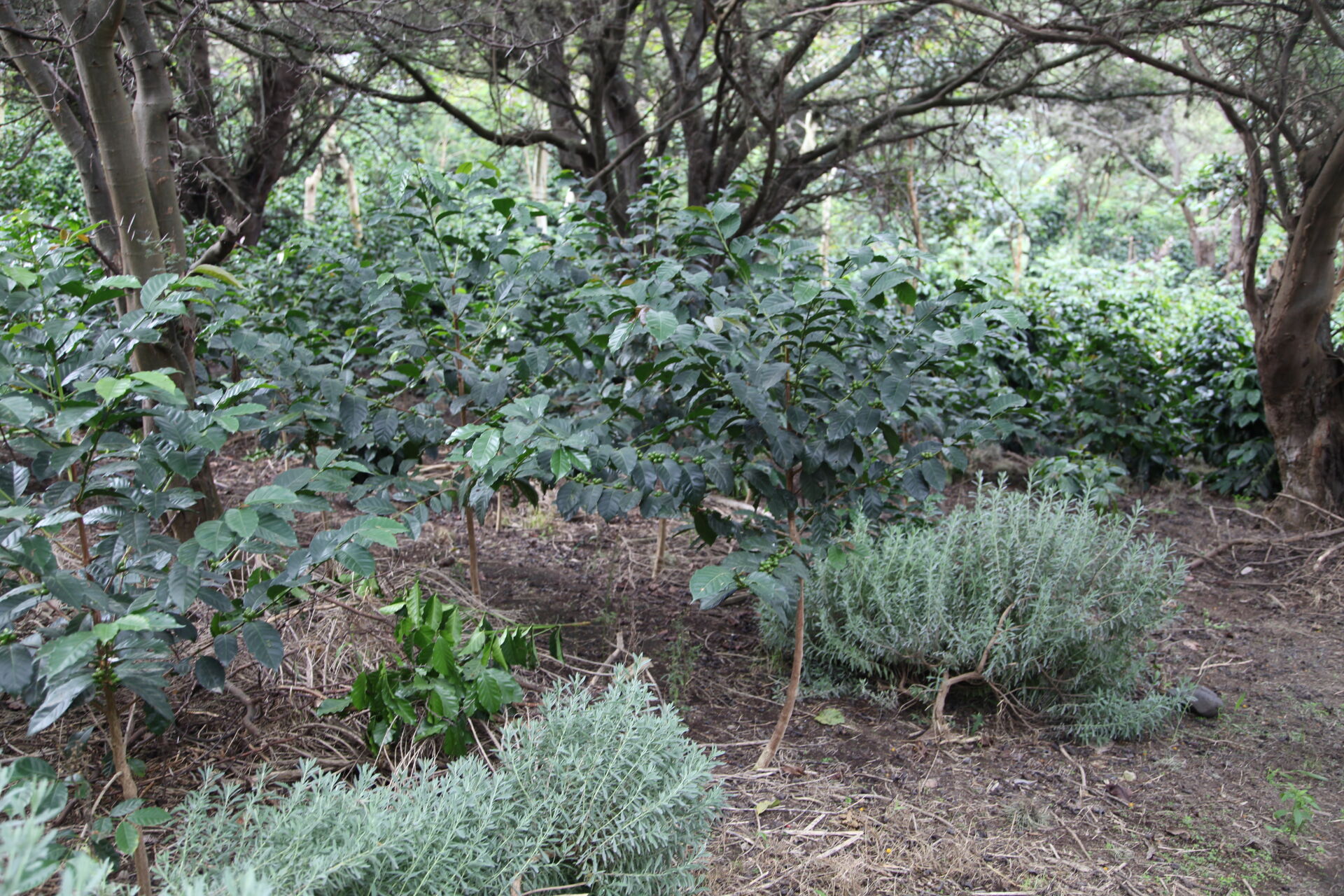
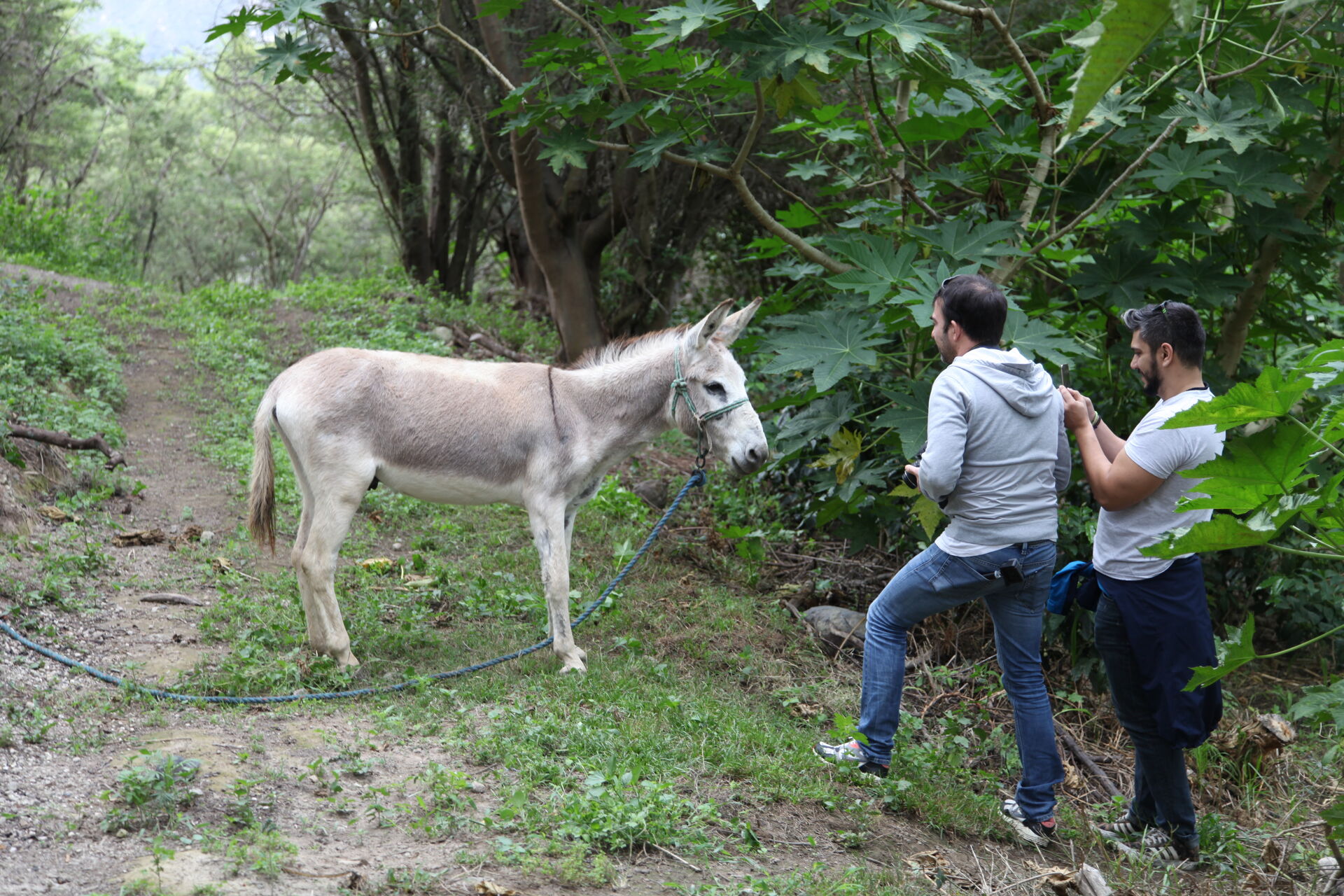
To the northwest of Quito, in the Nanegalito region of Pichincha province, lies the archaeological site located northwest of Quito. The region is known for its natural beauty and cloud forest environment.
Temperatures range between 15 °C and 22 °C, with a humid to temperate climate. The rainy season generally extends from December to May, while relatively drier conditions occur from June to November. The presence of dense vegetation and cloud forest results in frequent humidity, mist, rainfall, and a constantly green environment.
These conditions have a direct impact on coffee quality. Well-drained soils provide essential nutrients such as nitrogen, phosphorus, and potassium, contributing to sweeter, more concentrated beans. Many Andean soils, of volcanic origin, tend to produce aromatic, clean, and bright coffees.
Mineral composition plays an important role in flavor development: magnesium and potassium support sweetness and fruity notes. Gentle winds help regulate plant temperature, reducing stress and allowing for slower maturation, which results in beans with higher density and more refined flavors.
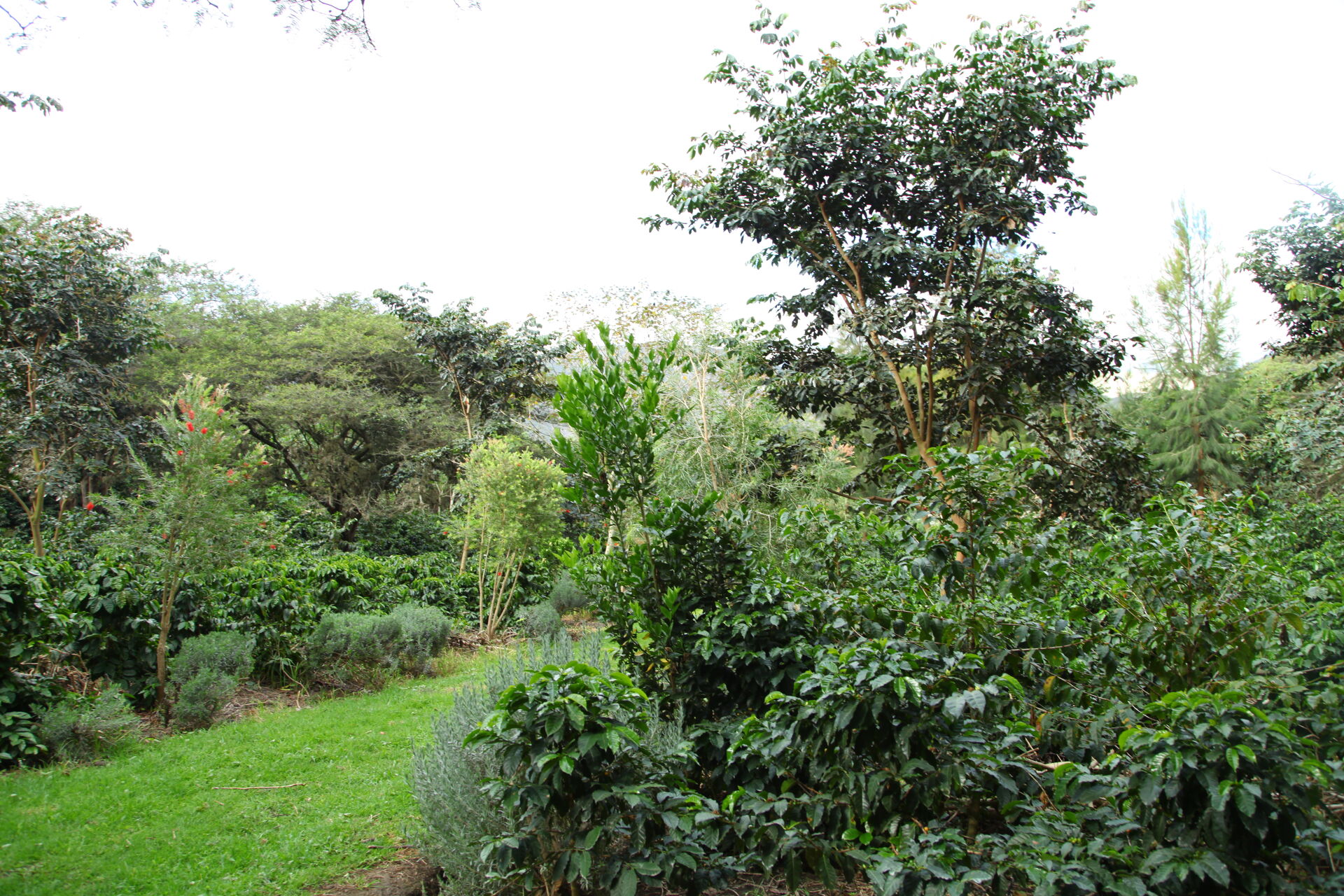
Sun exposure controls the maturation rate of the cherries. Partial shade allows for slower development, greater aromatic complexity, increased sweetness, and balanced acidity. Altitude further enhances these effects with cooler temperatures, while constant humidity promotes stable flowering and juicy cherries.
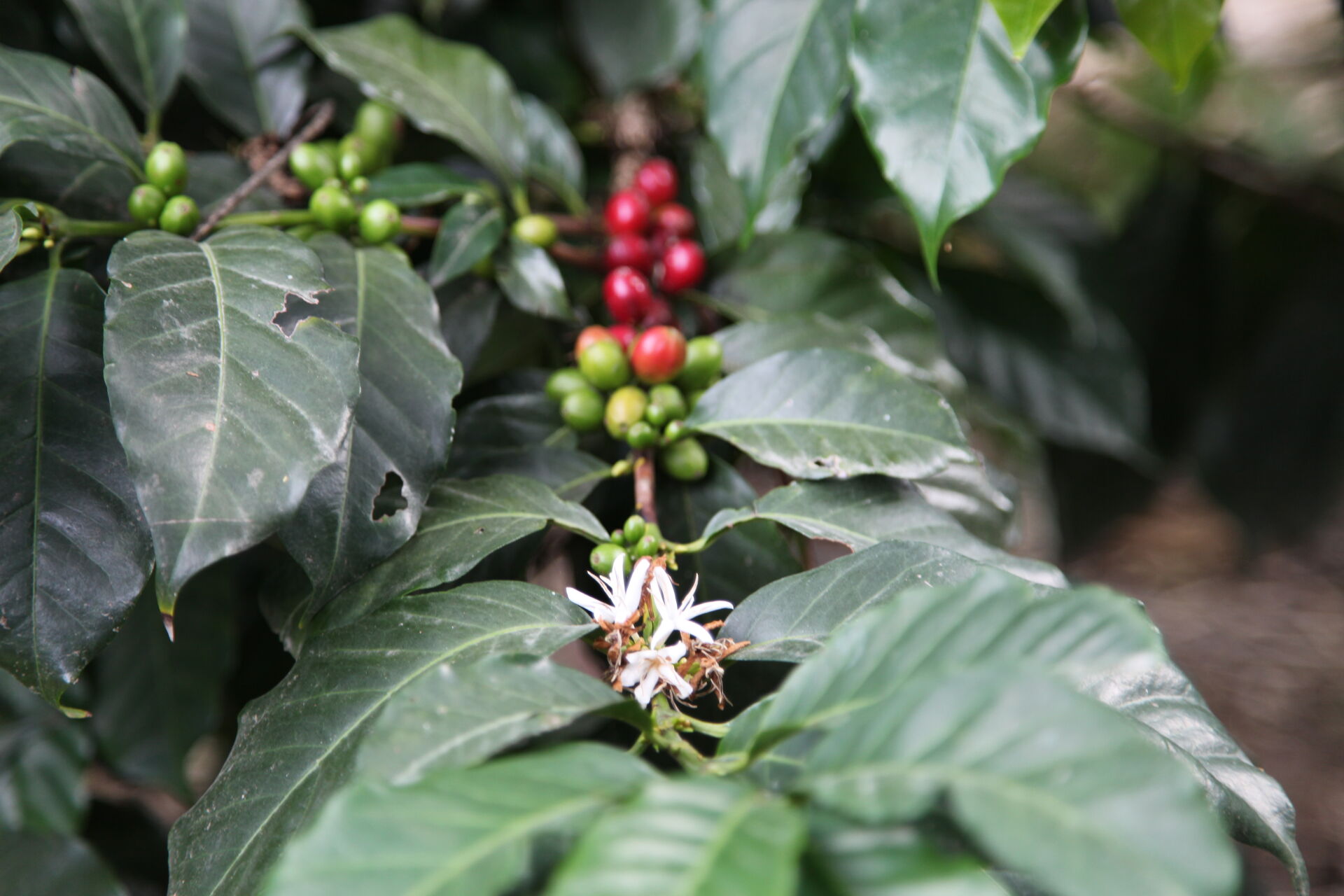
Producers in the region generally choose Arabica varieties that balance cup quality, climate adaptation, and disease resistance: Caturra, Bourbon, and Pacamara.
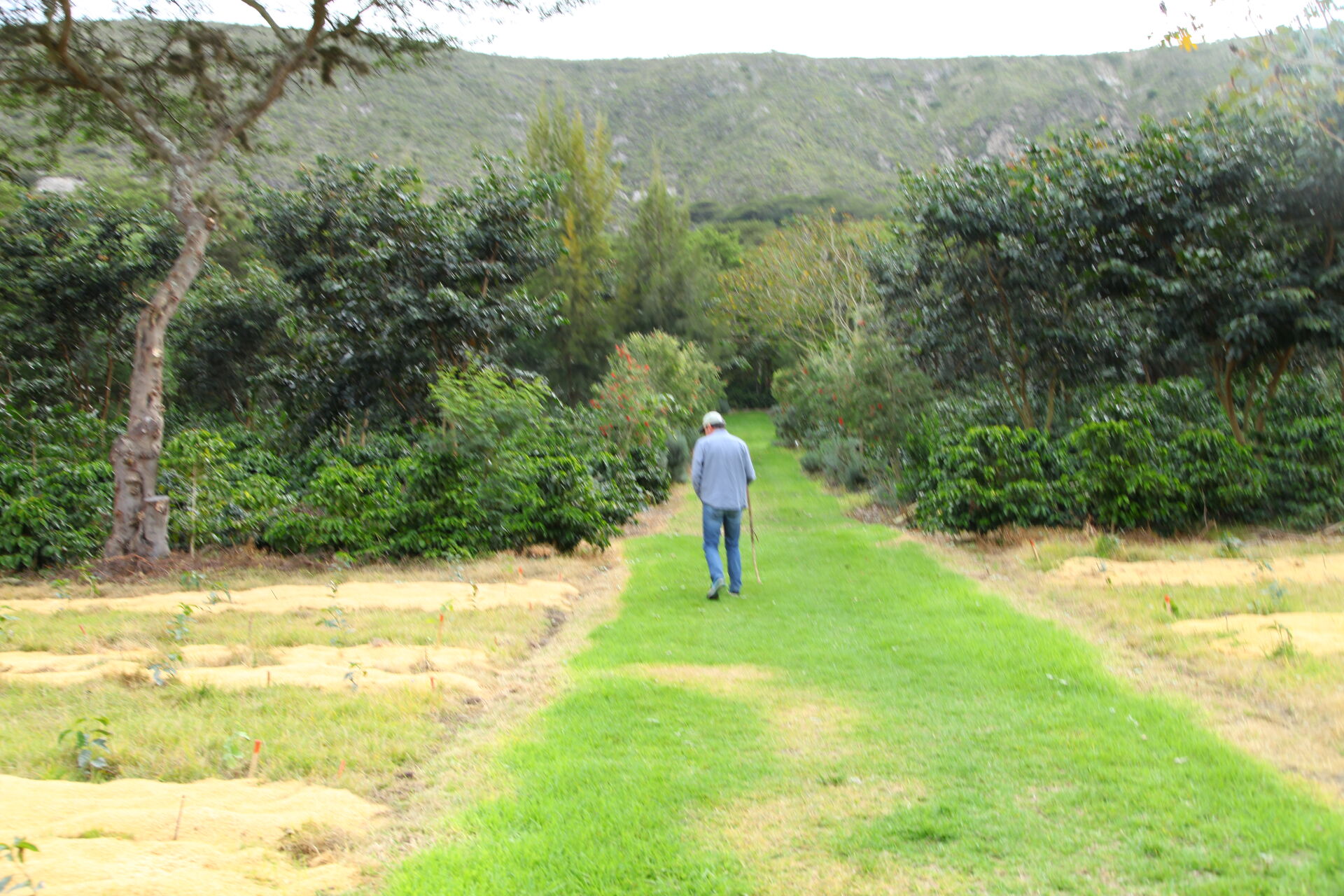
Beyond coffee, farms cultivate a variety of additional crops and maintain trees and shade, creating an agroecosystem that supports birds, beneficial insects, soil microorganisms, reduces erosion, and improves water retention.
The Tulipe-Nanegalito region has deep ancestral roots as a former Yumbo territory, with human settlements dating back thousands of years and a ceremonial center now recognized as archaeological heritage. Until recently, the region was not considered a major coffee-producing area. However, over the last 20 to 25 years, high-altitude Arabica production has steadily grown, shaping a new coffee identity for the region.