Kikenene: sustainable Robusta in Uganda
Context
The impact of climate change will greatly affect coffee production.
When we know that Robusta:
- is a species more resistant to high temperatures (Arabica suffers above 23°C while Robusta tolerates up to 30°C)
- is less susceptible to rust and pests (its name comes from robust)
- adapts better to climatic hazards (water stress, drought)
- has higher productivity (it yields up to twice as much coffee per hectare as Arabica)
- requires fewer inputs and phytosanitary products
Could growing quality Robusta be a solution for the future of coffee?
Origin of Robusta
Robusta (Coffea canephora) is native to the tropical forests of Central and West Africa. Uganda is considered one of the birthplaces of Robusta , where it still grows wild today. This origin makes it a species naturally adapted to hot and humid tropical conditions, with a resilience far greater than that of Arabica. Although Vietnam has now become the world's leading producer of Robusta, Uganda remains a major player with high-quality local varieties.
Why did you choose Kikenene?
The Kikenene district produces over 80% of Uganda's Robusta. However, the region faces challenges when it comes to quality, particularly due to a lack of training in post-harvest management and a poor market incentive. However, some producers are determined to learn and improve their practices. This makes it the ideal location to launch this high-quality Robusta project.
Project presentation
The Sustainable Robusta project in Kikenene aims to promote Robusta cultivation in Uganda, particularly the Nganda variety, by supporting producers towards more sustainable practices and higher quality. Through training in agroforestry, soil management, and coffee processing, this project aims to improve crop resilience in the face of climate change, increase added value for producers, and establish a lasting sourcing relationship with the Bukomansimbi Quality Coffee Farmers Association.
Goals
- Train producers in group organization and support them in structuring the association.
- Provide training on sustainable agricultural practices: planting shade trees, using organic fertilizers and improving post-harvest methods.
- Establish a lasting sourcing relationship with the Bukomansimbi Quality Coffee Farmers Association.
Success indicators
Short term (1 year)
- Improving coffee quality through training.
- Number of members wishing to join the association.
- Adoption of new agricultural practices (agroforestry system).
- Number of trees planted in the first year.
Long term
- Continuous improvement of coffee quality.
- Growth in the number of members.
- Develop a desirable and sustainable Robusta offering.
- Improving the living conditions of producers and developing the association's infrastructure (machines, processing equipment, etc.).
Complete documentation
Page in PDF and QRCode in all languages
Would you like to support this initiative? The cafés associated with this project will be available soon.
Project timeline
September 2024
Project launch
To launch this project, Stephan and Maureen, based in the field, launched a series of visits to farmers in the Bukomansimbi area to select farmers and farms with good potential for producing quality Robusta.
October 2024
Kick-off meeting
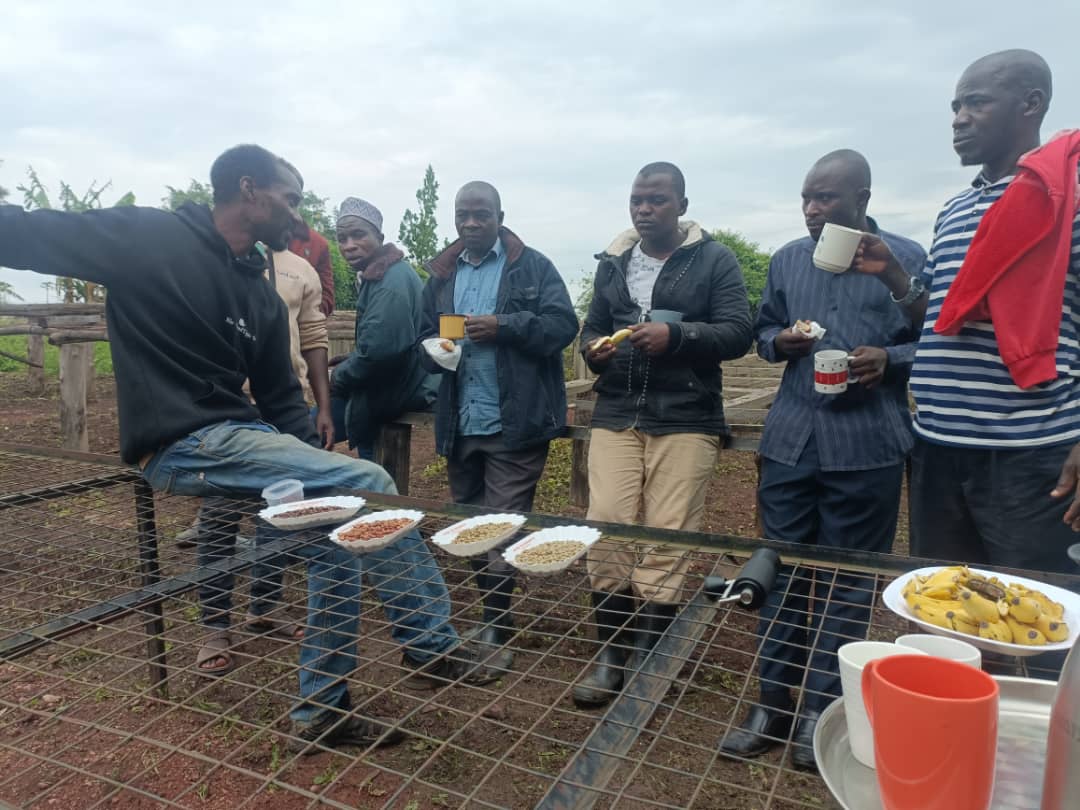
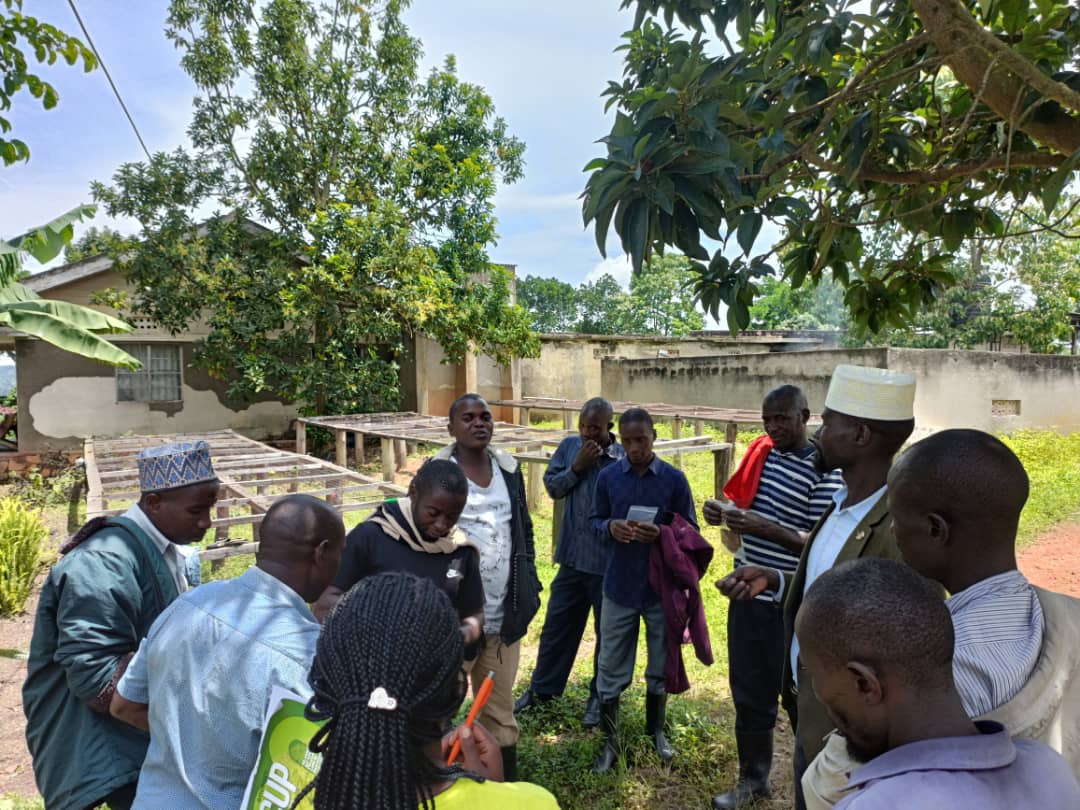
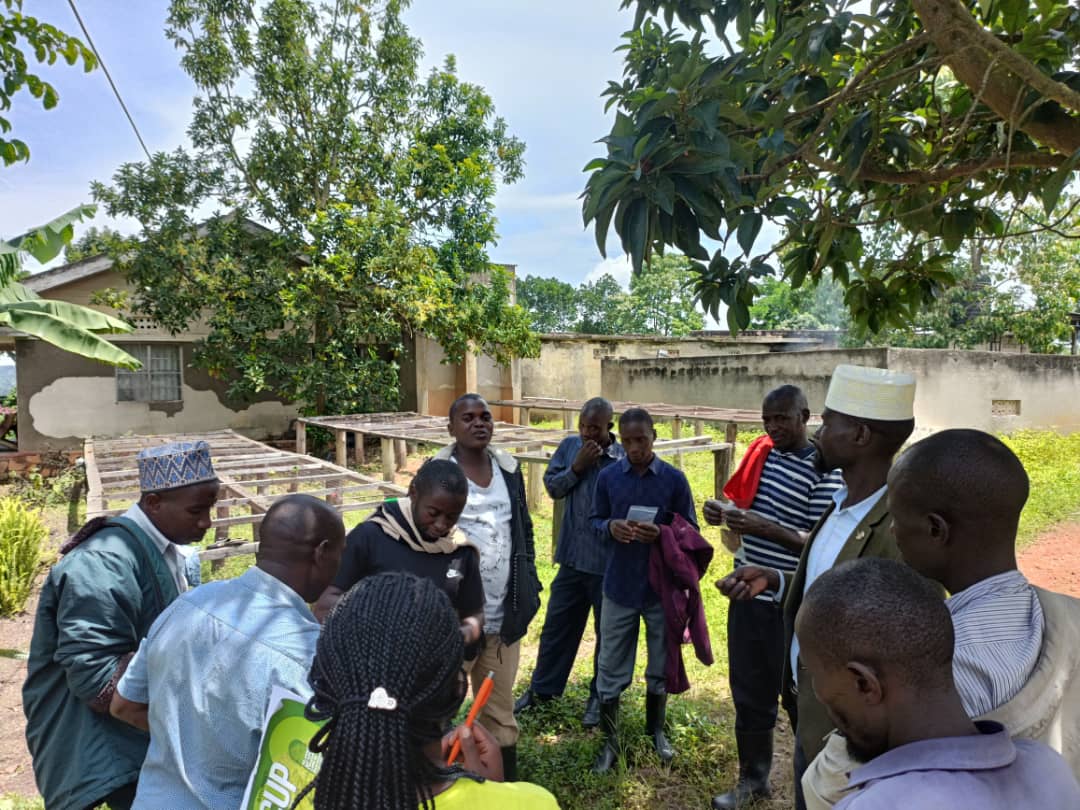
Organized a meeting with 15 farmers in a central location and explained the sustainable robusta sourcing project.
October-November 2024
Farm visits and observations
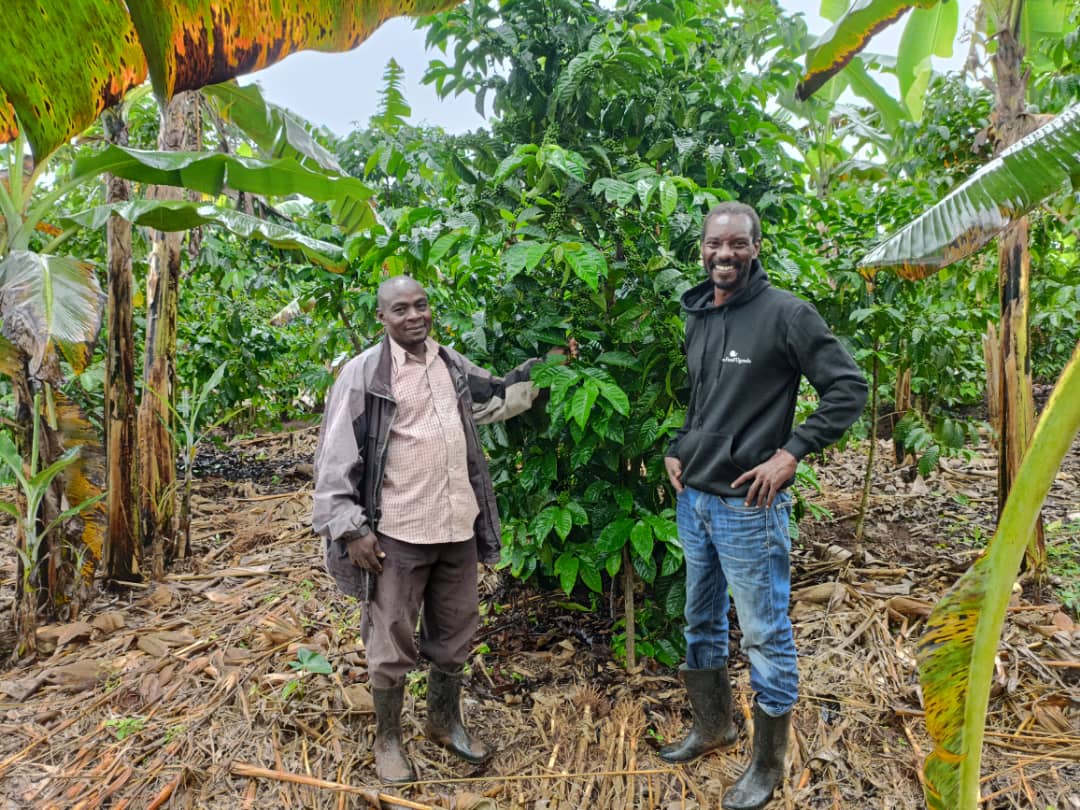
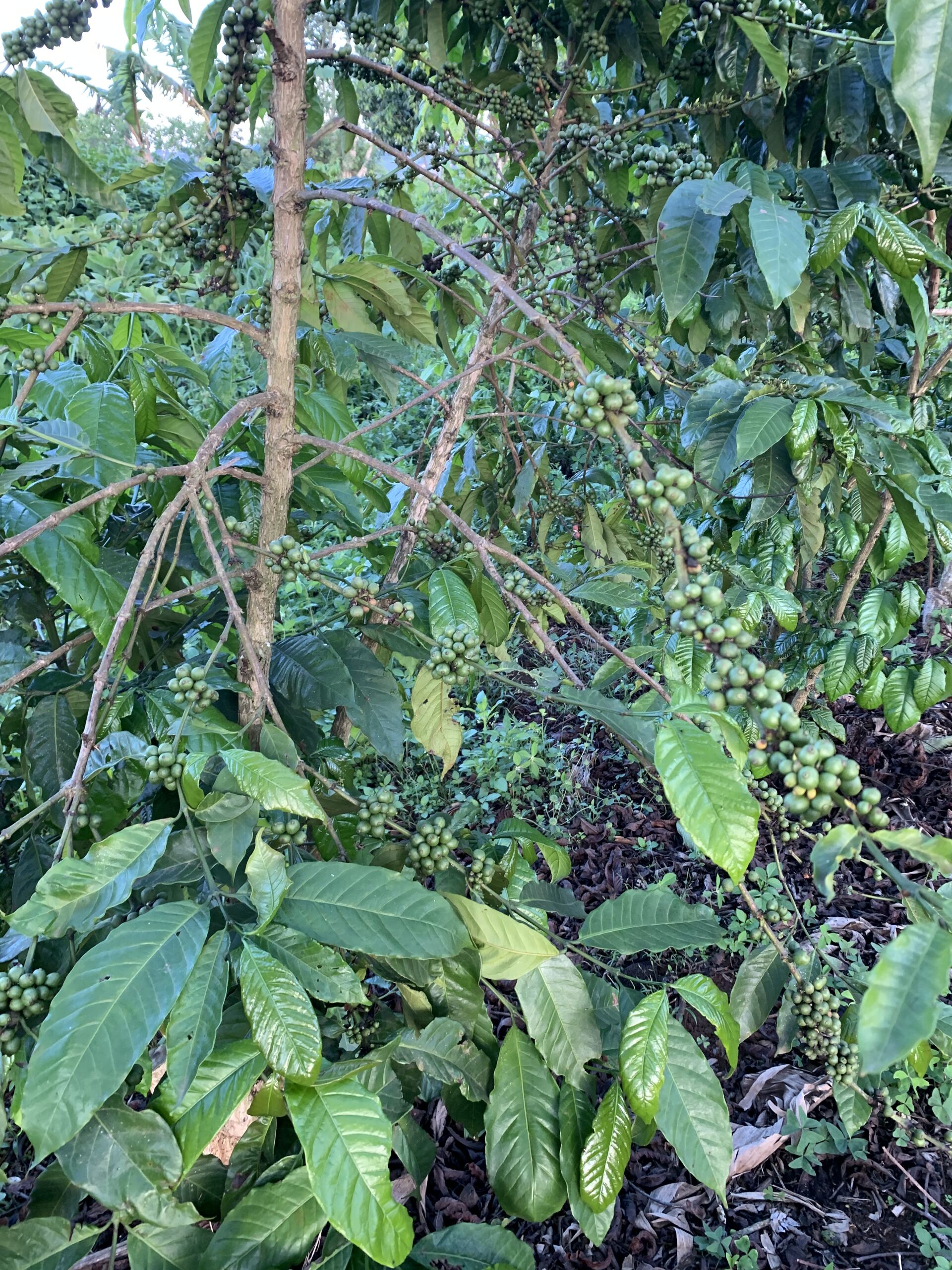
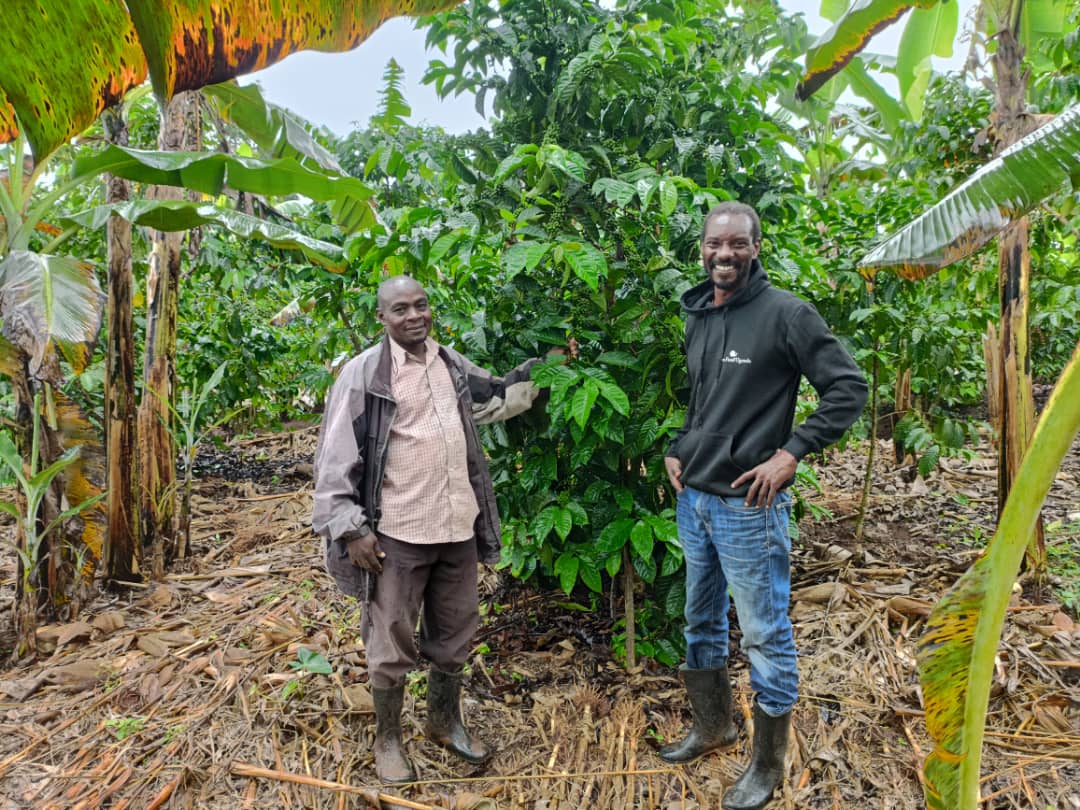
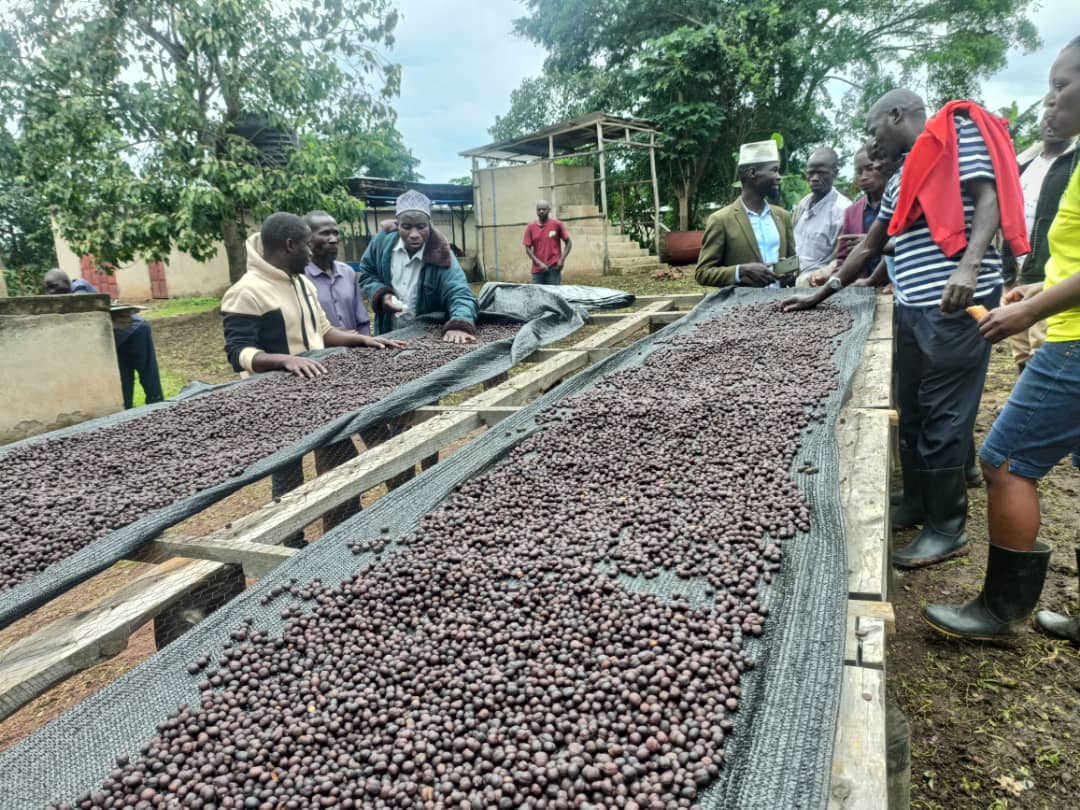
Planning and visits to the 15 individual farms to analyze their agronomic practices, post-harvest treatment methods, acreage and opportunities. Farmers own an average of 10 acres of land and grow coffee mixed with bananas, potatoes, and cassava. Very few have planted shade trees like mutumba, avocado, mango, and jackfruit because they were always told that shade promoted coffee diseases. They all practiced organic farming, except for the last two years. They manage manual harvesting and drying on their farms.
November 2, 2024
Visit Stephan and Maureen's pilot farm for inspiration
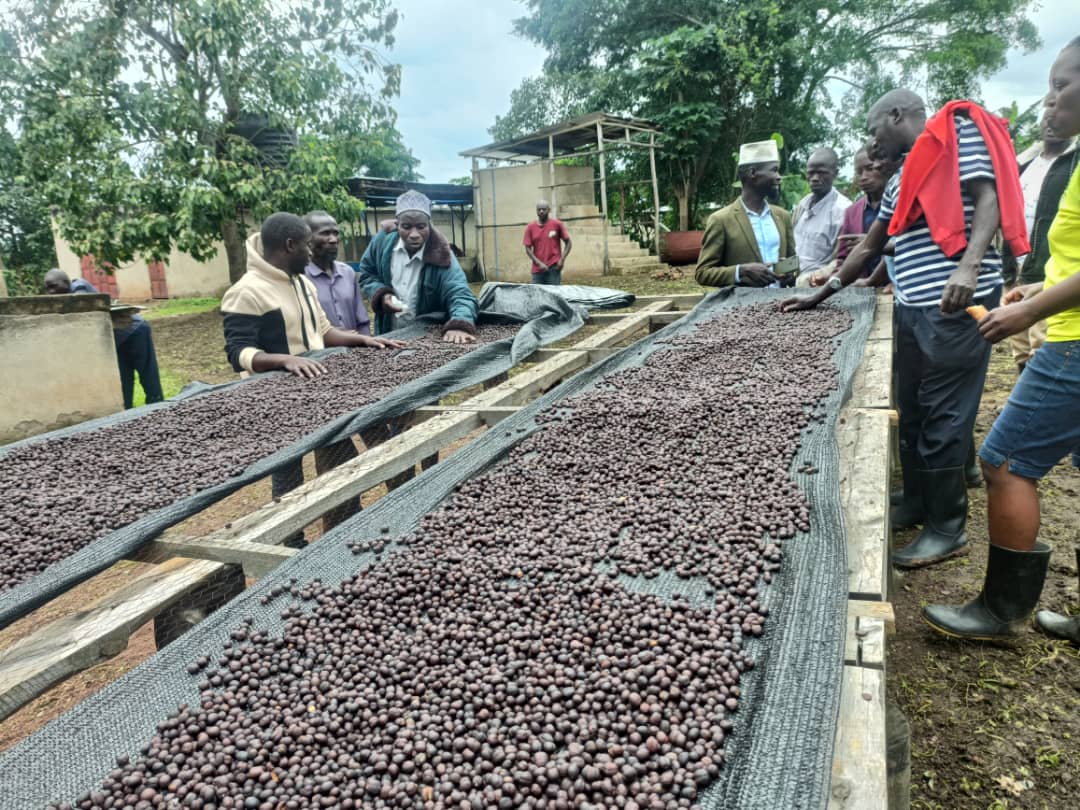
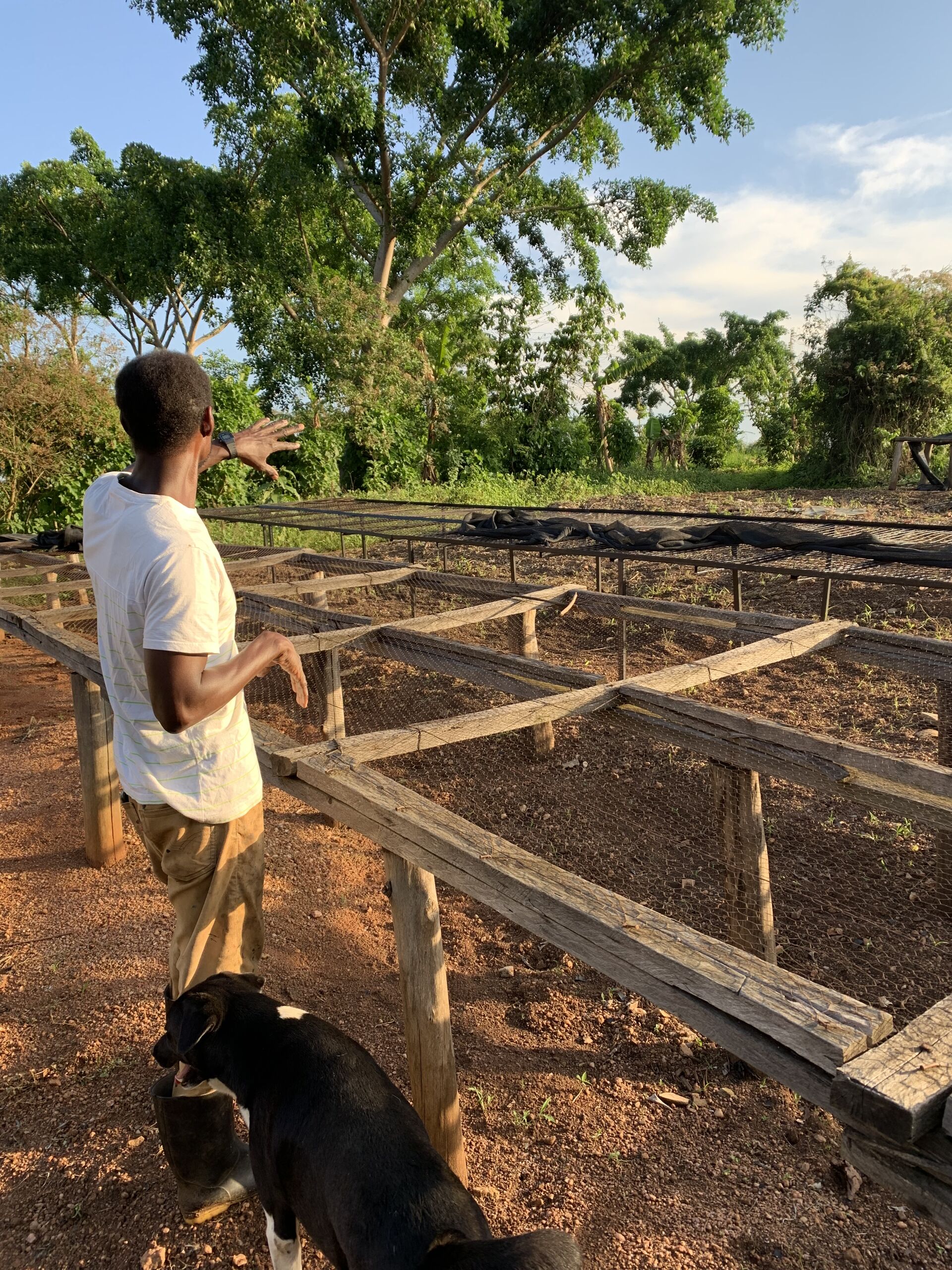
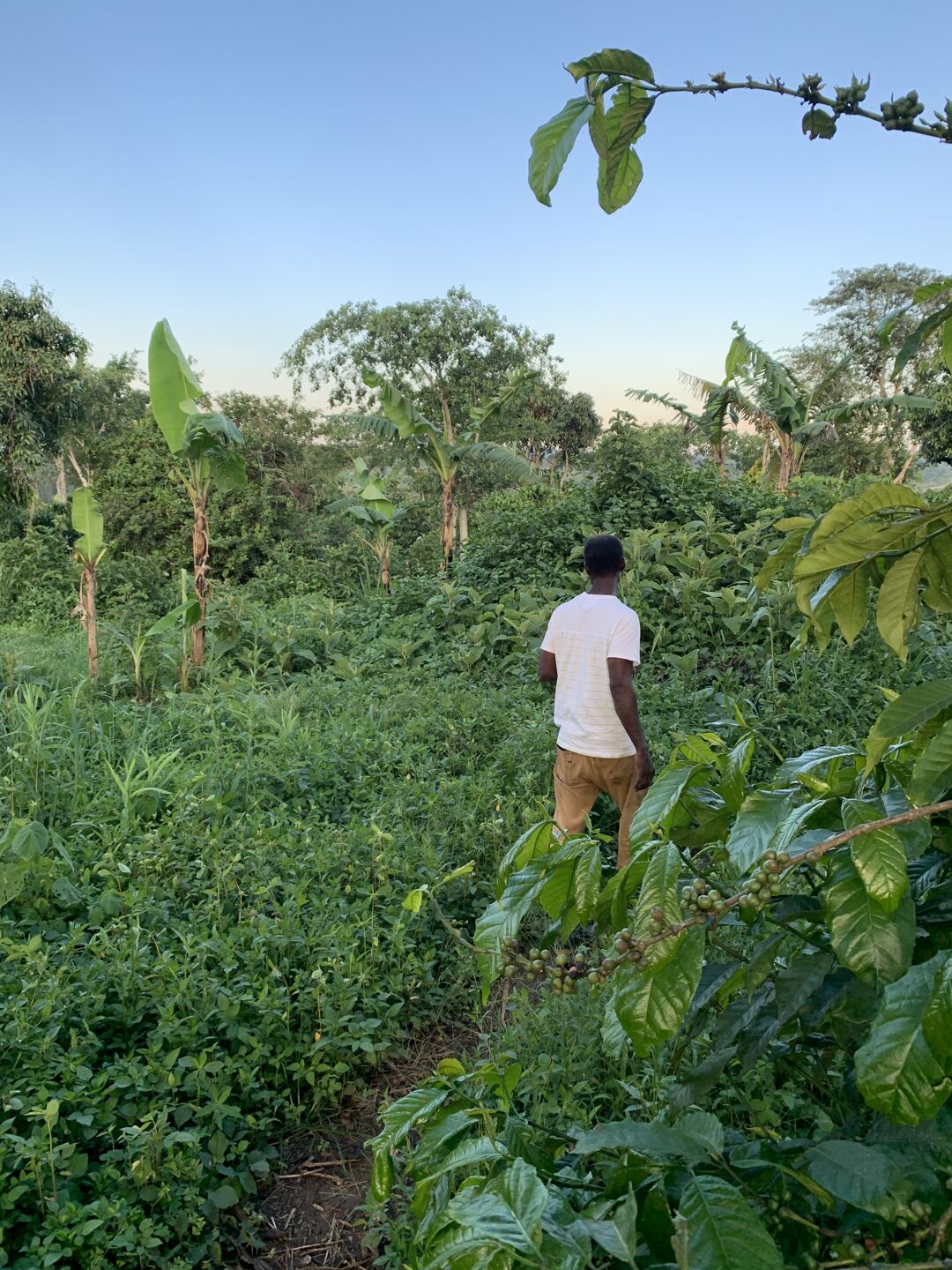
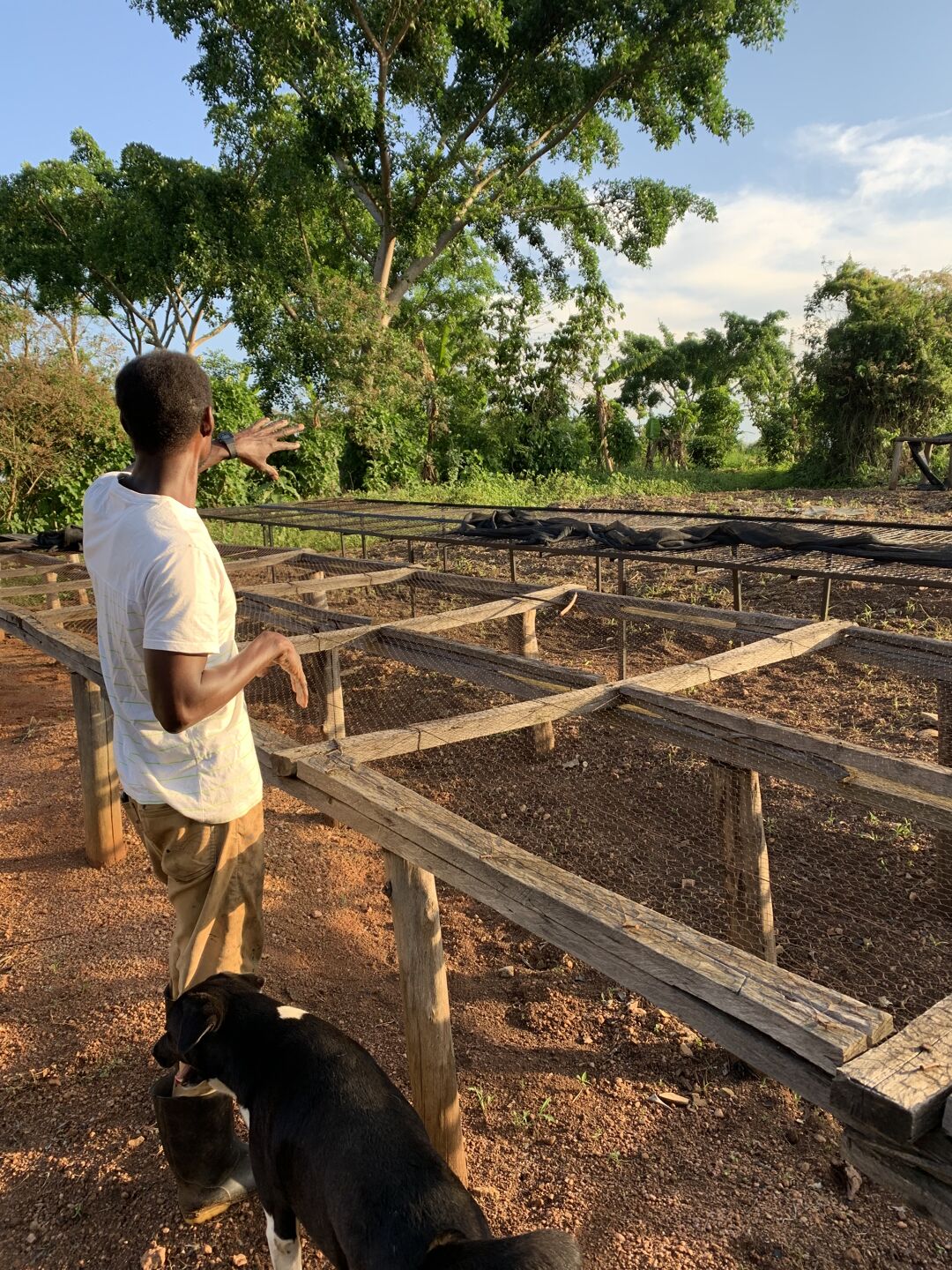
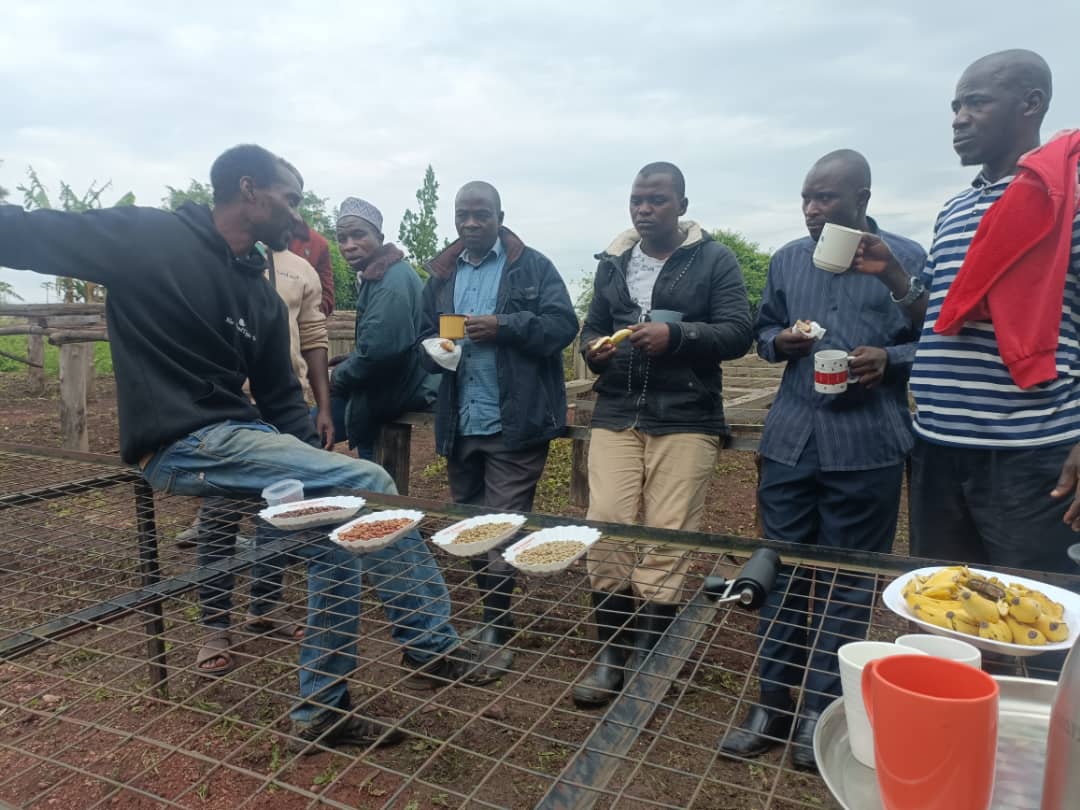
The 15 farmers visited Stephan and Maureen's farm to learn about and immerse themselves in an exemplary model of sustainable agricultural practices. The training program covered organic farming practices, shade-grown crops, selective harvesting at maturity, flotation sorting, raised-bed drying, and the impact of humidity levels.
November 2024
Creation of an association
Following these trainings, the farmers decided to form an association: the Bukomansimbi Quality Coffee Producers Association, and they elected a representative. Each farmer will produce and process a small batch (at least 200 kg) this year to kick-start the project.

"By developing a sustainable and high-quality Robusta sector, we are giving producers the means to preserve their terroir, improve their incomes, and build a sector that is more resilient to climate challenges. This project is an opportunity to restore the image of Robusta among roasters and consumers. This initiative is led and monitored by our Belco colleagues on site in Uganda: Stéphan Katongole and Maureen Kaliisa, themselves producers of quality Robusta on their farm.